Introduction
Lithium has become one of the most strategically important minerals in the global energy transition. It is a critical component in many rechargeable batteries, including those used in electric vehicles, energy-storage systems, consumer electronics, and industrial applications.
As European countries seek to reduce dependence on imported raw materials, domestic and regional mineral resources have attracted increasing attention.
The title Greece's Secret Lithium Deposits Sparking 2026 EU Race suggests that Greece possesses hidden lithium resources capable of triggering a major European competition. That framing should be treated cautiously. Geological potential is not the same as a commercially proven deposit, and there is an important difference between preliminary exploration results, inferred resources, economically recoverable reserves, and actual mining operations.
Nevertheless, Greece's broader mineral potential makes the country relevant to Europe's critical-minerals strategy.
Why Lithium Matters
Lithium is important because of its electrochemical properties. Lithium ions can move between electrodes in rechargeable batteries, allowing electrical energy to be stored and released efficiently.
Battery demand has expanded rapidly because of electric vehicles and stationary energy storage. Governments are therefore increasingly concerned about secure access to lithium and other materials such as nickel, cobalt, graphite, manganese, and rare earth elements.
The European Union has responded by developing policies designed to strengthen domestic extraction, processing, recycling, and supply-chain resilience.
This changes the strategic importance of geological exploration. A deposit that might previously have been considered economically marginal could receive renewed attention if battery demand rises or processing technologies improve.
Greece's Mineral Landscape
Greece has a long history of mineral extraction. Its geological diversity includes deposits of industrial minerals and metallic ores, and mining has historically played an important role in several regions.
The country's geology is shaped by complex tectonic processes associated with the broader Mediterranean and Balkan region. This geological diversity creates opportunities for mineral exploration.
However, lithium is not automatically present simply because a region has complex geology.
Exploration requires geological mapping, geochemical sampling, drilling, mineralogical analysis, resource estimation, and economic evaluation.
A lithium-bearing rock must contain lithium at concentrations and in mineral forms that can potentially be extracted economically and responsibly.
From Geological Hint to Mine
A crucial distinction in mineral economics is the difference between an indication of mineralization and a commercially viable resource.
Exploration may identify anomalous lithium concentrations in soil, rock, groundwater, or sediment. Such findings can justify additional investigation.
Drilling can then establish the thickness, continuity, and composition of mineralized zones.
Even after a resource is identified, companies must evaluate extraction costs, infrastructure requirements, processing methods, environmental impacts, water requirements, energy use, and market conditions.
Only after extensive evaluation can a project potentially progress toward development.
Europe's Critical-Minerals Strategy
Europe's interest in lithium is partly driven by supply-chain vulnerability. Much of the world's battery-material processing capacity is concentrated outside Europe, while European manufacturers are expanding electric-vehicle and battery production.
The strategic objective is not necessarily complete self-sufficiency. Instead, policymakers seek diversified supply chains combining domestic production, international partnerships, recycling, and technological innovation.
Greece could potentially contribute to this strategy if economically viable lithium resources are identified and developed.
But domestic mining also raises questions about environmental protection and local acceptance.
Environmental Questions
Lithium extraction can have significant environmental consequences depending on the type of deposit and extraction method.
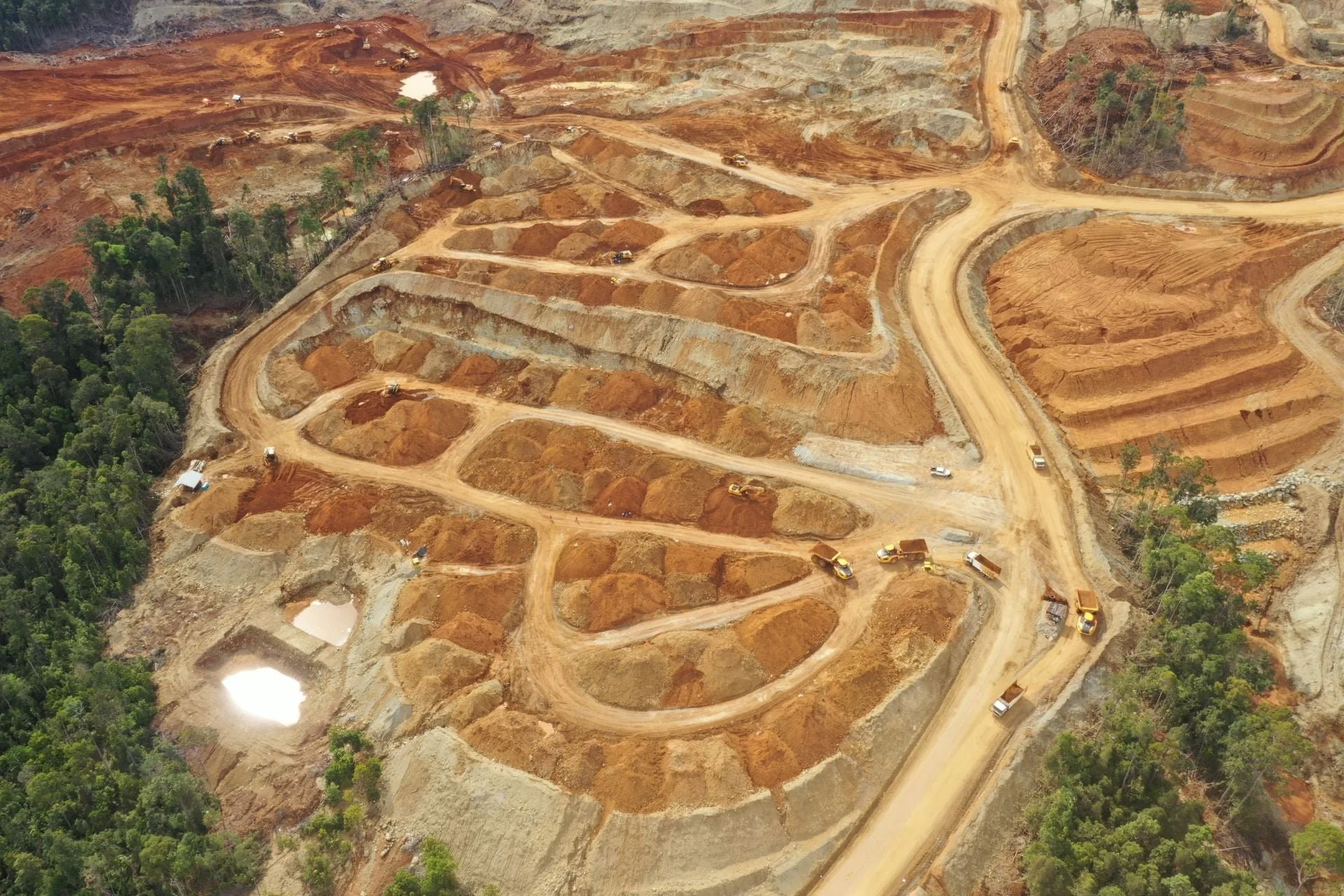
Hard-rock mining may involve excavation, crushing, concentration, chemical processing, waste generation, and substantial energy use.
Brine-based extraction has different environmental characteristics, particularly concerning water balance and chemical processing.
Therefore, discussions about lithium should not focus exclusively on strategic value.
A European lithium mine may reduce dependence on imports while still creating local environmental pressures. The relevant question is whether extraction can be conducted under strict environmental standards and whether local communities consider the benefits sufficient.
The Meaning of “Secret Deposits”
The word “secret” is particularly problematic in mineral exploration. Companies may keep exploration data confidential for commercial reasons, and governments may classify certain strategic information in exceptional circumstances.
But confidentiality does not automatically mean that a major deposit is being deliberately hidden from the public.
A responsible investigation would examine geological publications, company announcements, exploration permits, regulatory documents, academic studies, and mineral-resource reports.
Only documented evidence can establish the existence and significance of a particular deposit.
Greece's Potential Strategic Position
If economically significant lithium resources were confirmed, Greece could become more relevant to Europe's emerging critical-minerals supply chain.
Potential benefits could include exploration investment, skilled employment, mineral-processing opportunities, infrastructure development, and integration into European battery manufacturing.
However, mining projects often take years to move from exploration to production. Regulatory approval, environmental assessment, financing, infrastructure, and community consultation can all affect development timelines.
The strategic importance of a deposit therefore depends not only on geology but also on political, economic, and social conditions.
Conclusion
Greece's potential role in Europe's lithium strategy is an important subject, particularly as the European Union seeks greater control over critical-material supply chains. Yet claims about “secret lithium deposits” should not be treated as established facts without reliable geological evidence.
The real story is broader and more significant: Europe is increasingly treating mineral resources as strategic assets, and countries with geological potential are receiving greater attention.
For Greece, the opportunity lies in determining whether its mineral resources can contribute to the energy transition while maintaining rigorous environmental standards, transparent regulation, and meaningful local participation.