Introduction
Cryptocurrency mining requires substantial computing power and, depending on the technology used, significant electricity consumption. This has encouraged operators in some parts of the world to seek locations where electricity, cooling, property, and infrastructure costs are favorable.
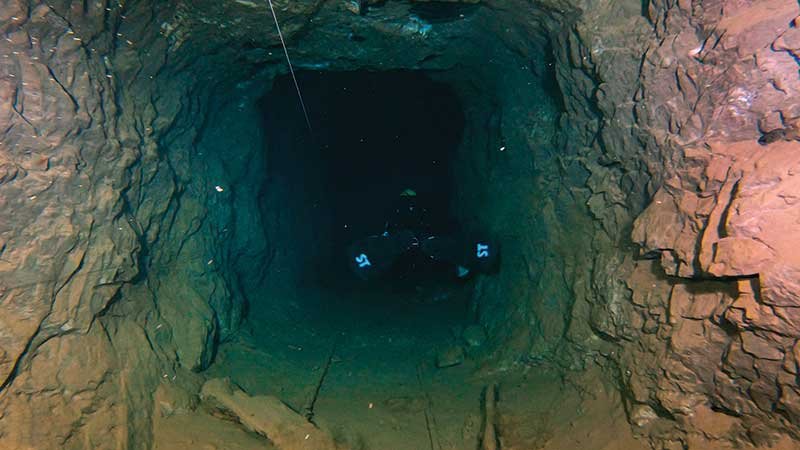
The title Hidden Crypto Mining Hubs in Abandoned Athenian Mines combines two very different landscapes: abandoned or disused mining sites around Athens and modern digital infrastructure. While abandoned industrial spaces can theoretically be repurposed for data processing, there is no basis for treating the existence of secret cryptocurrency-mining hubs in Athenian mines as established fact without evidence.
The concept nevertheless raises interesting questions about adaptive reuse, energy infrastructure, abandoned industrial landscapes, and the physical requirements of digital economies.
Cryptocurrency Mining and Physical Infrastructure
Despite being described as “virtual,” cryptocurrency mining depends on physical infrastructure. Specialized computers require electricity, ventilation, cooling systems, networking equipment, security, and maintenance.
Large mining operations can resemble small industrial facilities rather than ordinary computer rooms.
Electricity is particularly important because mining equipment can operate continuously. If the cost of electricity is too high, an operation may become economically uncompetitive.
Cooling is another major concern. Computers convert much of the electricity they consume into heat, which must be removed to maintain reliable operation.
These requirements determine whether an abandoned industrial site is actually suitable for mining.
Why Underground Spaces Might Seem Attractive
An underground facility may have advantages in temperature stability. Rock surrounding an underground space can moderate temperature fluctuations, potentially reducing some cooling requirements.
Mines can also provide substantial enclosed spaces and existing electrical or industrial infrastructure.
However, underground facilities present serious challenges.
Humidity, ventilation, flooding, structural stability, fire safety, access, and electrical upgrades can make conversion expensive.
An abandoned mine may be far less suitable than a modern warehouse specifically designed for computing equipment.
The Athenian Industrial Landscape
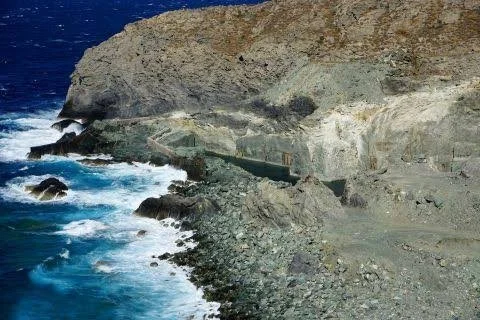
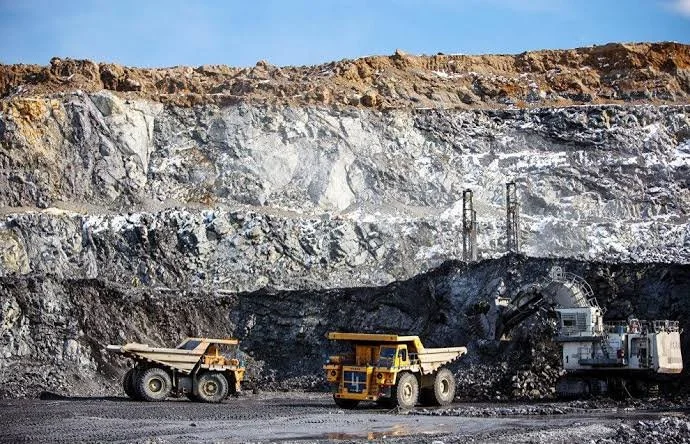
The wider Athens region contains a history of industrial development, quarrying, mining, manufacturing, and infrastructure. Some former industrial sites have been abandoned, redeveloped, or converted to other purposes.
Historic mining and quarrying areas can have cultural and environmental significance. They may contain unstable structures, contaminated soil, underground voids, and heritage features.
Reusing such sites therefore requires careful engineering and environmental assessment.
The existence of an abandoned industrial space does not automatically make it a viable data center.
Could Mining Operators Hide Facilities?
Large-scale cryptocurrency mining is difficult to conceal completely.
A substantial operation requires electricity, cooling, equipment deliveries, network connections, and maintenance. High electricity consumption may create detectable patterns.
This does not mean small private mining operations cannot exist discreetly. Individual operators can run limited numbers of machines in homes or small facilities.
But a “hidden hub” large enough to influence the regional cryptocurrency market would likely leave substantial physical and economic traces.
Claims about clandestine facilities should therefore be evaluated through evidence rather than assumptions.
Energy Economics
Mining profitability depends heavily on electricity costs.
Operators calculate the expected cryptocurrency revenue against electricity consumption, hardware depreciation, maintenance, cooling, network difficulty, and other expenses.
If electricity prices rise, older equipment can become unprofitable.
This creates an incentive to locate mining facilities near inexpensive energy sources. In some countries, miners have moved toward areas with surplus renewable electricity or favorable industrial tariffs.
Greece's electricity market and energy transition therefore form part of the broader context.
Renewable Energy and Digital Infrastructure
Greece has expanded renewable-energy capacity, particularly solar and wind power. Renewable electricity can potentially support data-intensive industries, although the relationship between renewable generation and mining economics depends on electricity pricing and grid availability.
Cryptocurrency mining also competes with other electricity users.
During periods of high demand, large mining facilities could place additional pressure on the grid. This makes regulatory policy important.
Governments can impose licensing requirements, energy restrictions, reporting rules, or taxation depending on their policy objectives.
Environmental and Heritage Issues
Repurposing an abandoned mine for computing infrastructure could create benefits if it prevents further land disturbance and brings productive use to an existing industrial site.
But environmental risks must be considered.
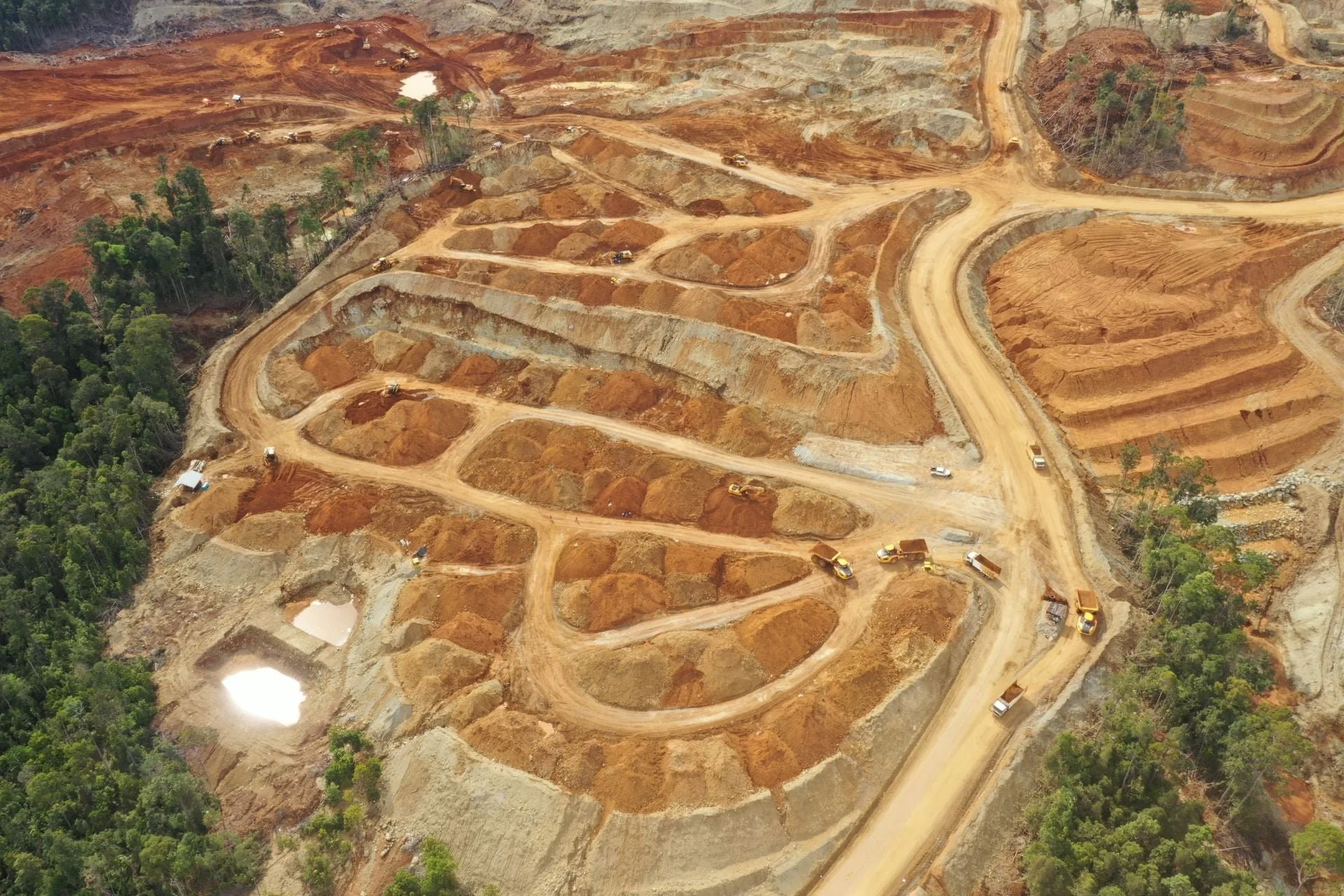
Old mines can contain heavy metals, unstable waste piles, polluted water, or structural hazards. Installing high-powered electrical systems in such environments would require significant engineering controls.
If the site has archaeological or industrial-heritage value, redevelopment could also affect historical structures.
The Broader Lesson
The idea of cryptocurrency mining hidden inside old mines illustrates a broader transformation: digital economies still depend on physical geography.
Cloud computing, artificial intelligence, cryptocurrency, and online services require buildings, power plants, transmission lines, cooling systems, fiber networks, and workers.
The digital world is therefore not physically invisible. It simply distributes physical infrastructure in less obvious ways.
Conclusion
There is no sound basis for automatically treating “hidden crypto mining hubs in abandoned Athenian mines” as a documented network of secret facilities. Such claims would require evidence from electricity use, property records, planning documents, environmental assessments, or reliable investigative reporting.
Nevertheless, the concept highlights an important issue: abandoned industrial spaces can potentially be repurposed for modern digital infrastructure, but doing so requires energy, engineering, security, and environmental planning.
The future of digital infrastructure will increasingly depend on how effectively countries connect old industrial landscapes with new technological demands.