Introduction
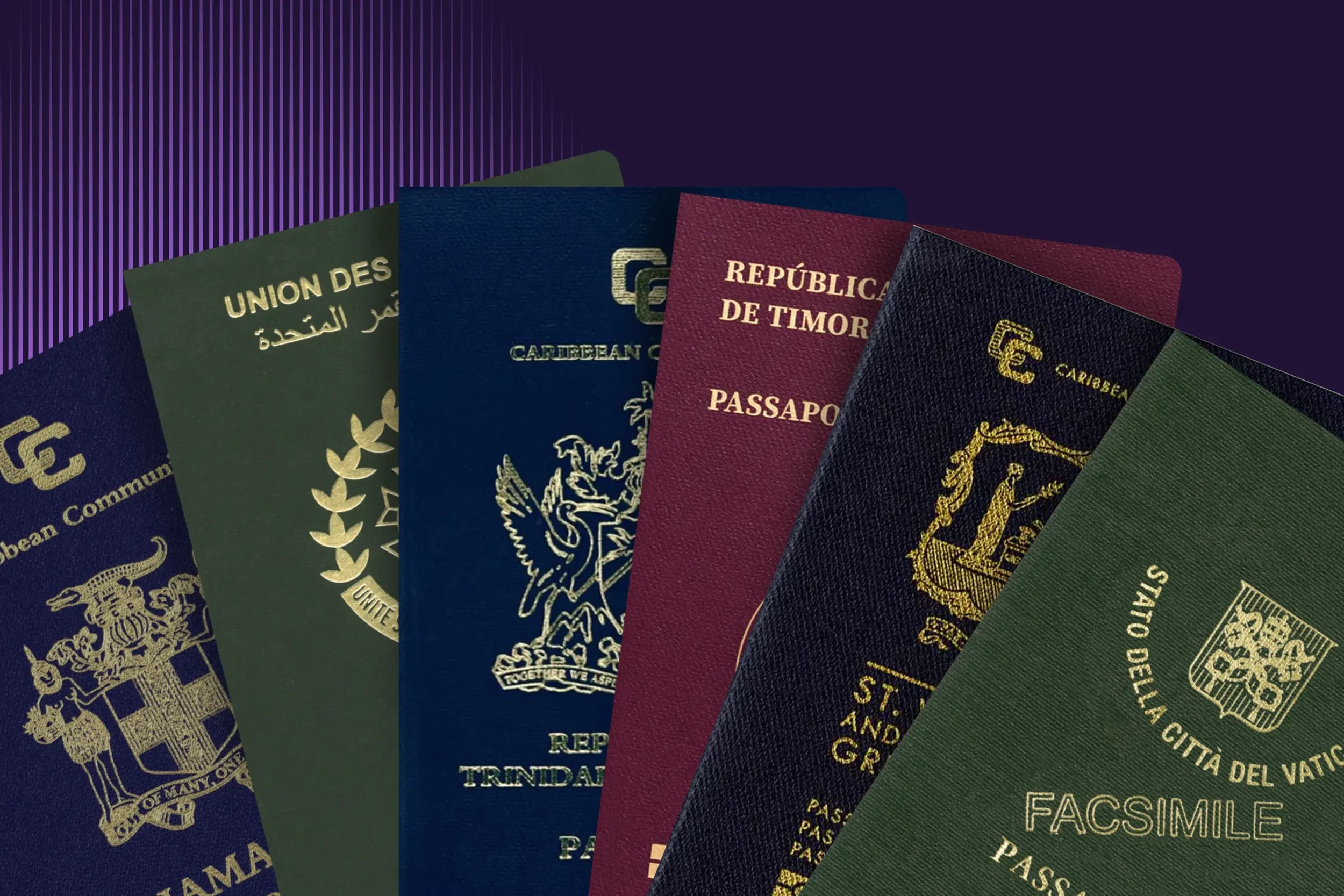
Biometric identification has become an important component of modern travel documents. Many contemporary passports contain electronic chips that can store information used to verify the identity of the document holder.
The title Rare Biometric Passports from Ionian Data Vaults combines biometric identity technology with the idea of secure digital repositories in the Ionian region.
There is no reason to assume that secret passport data vaults exist in the Ionian Islands simply because governments increasingly use digital identity systems. Any claim about a particular hidden database would require reliable evidence.
The broader subject, however, provides an opportunity to examine how biometric passports work, how identity information is protected, and why digital identity has become a major issue in modern Europe.
What Is a Biometric Passport?
A biometric passport contains a contactless electronic chip.
The chip can store information used to help verify the document and its holder. Depending on the passport system and applicable standards, biometric information may include a facial image and other identity data.
The purpose is to make fraudulent alteration or impersonation more difficult.
Biometric passports are part of a wider global effort to strengthen border-security systems while maintaining interoperable travel documents.
Facial Recognition and Identity Verification
Facial recognition systems compare a captured image with a reference image.
At a border checkpoint, the system may compare the traveler's face with the biometric information associated with the passport.
The technology can speed up automated border processing.
However, biometric systems are not perfect.
Lighting, camera position, aging, facial changes, and technical errors can affect results.
Security systems therefore use multiple checks rather than relying on facial recognition alone.
What Happens to Biometric Data?
One of the most important questions is where biometric information is stored.
The passport chip contains information, but border authorities may also operate secure databases for immigration, visa, or identity-management purposes.
The exact architecture differs between jurisdictions and systems.
A passport itself should not be assumed to provide unrestricted access to a centralized database.
Modern identity systems generally use encryption, access controls, authentication mechanisms, and audit systems to reduce unauthorized access.
The Ionian Context
The Ionian Islands are an important part of Greece's maritime and tourism geography.
Large numbers of international travelers pass through airports and ports in places such as Corfu, Zakynthos, Kefalonia, and other islands.
This makes border-processing infrastructure especially relevant during periods of high tourism.
But the existence of biometric checkpoints does not imply that local authorities operate independent “data vaults.”
National and European systems generally involve centralized or interconnected institutional structures.
Why Data Security Matters
Biometric information is particularly sensitive because it cannot be changed as easily as a password.
If a password is compromised, it can be replaced.
A person's face or fingerprint cannot simply be replaced.
This creates strong incentives for governments and companies to protect biometric data.
Encryption, strict access controls, data minimization, retention policies, and independent oversight are therefore important.
The Risk of Data Breaches
No digital system is completely immune to cyberattacks.
A compromised identity database could create serious risks, including identity fraud, surveillance, or unauthorized tracking.
Security architecture should therefore assume that attackers may attempt to gain access.
Modern systems use multiple defensive layers to reduce these risks.
European Data Protection
European data-protection rules place significant restrictions on how personal information can be collected and processed.
Biometric information generally receives particularly strong protection because of its sensitivity.
Organizations must have a lawful basis for processing data and must comply with applicable security and privacy requirements.
This framework is important when discussing biometric passports because technological capability does not automatically determine what governments or companies are legally permitted to do.
The Future of Digital Identity
Biometric passports are part of a larger movement toward digital identity.
European initiatives increasingly explore digital identity wallets, electronic credentials, and secure digital verification.
The long-term objective is to make it easier for individuals to prove specific facts about themselves without unnecessarily sharing additional personal information.
For example, a person may need to prove their age without revealing their entire identity profile.
Such systems raise both opportunities and risks.
Conclusion
The idea of rare biometric passports connected to hidden Ionian data vaults is more speculative than established.
The real technological development is already significant: biometric passports are part of a global identity infrastructure designed to make travel documents more secure and border processing more efficient.
As digital identity expands, the central issue will not simply be where databases are located. It will be how biometric information is protected, who can access it, how long it is retained, and what safeguards prevent misuse.
The future of identity security will depend as much on governance and privacy protections as on biometric technology itself.