Introduction
Athens is often associated with classical ruins, Byzantine churches, neoclassical architecture, and modern urban development. Less visible is the industrial history of the wider Attica region, where mining and quarrying shaped settlements, employment, and the landscape.
The title Crypto Hubs in Abandoned Athens Mine Tunnels imagines a modern technological use for underground industrial spaces: cryptocurrency infrastructure operating inside disused mine tunnels.
The concept combines two subjects that require careful distinction. Abandoned mines and quarries are real features of Attica's industrial landscape, while cryptocurrency mining and blockchain infrastructure are established technologies. However, the existence of a major crypto hub inside abandoned Athens-area mine tunnels should not be assumed without evidence of an actual project.
Athens and the Industrial Landscape of Attica
The wider Athens region has a long history of mineral extraction.
Attica contains geological resources that supported quarrying and mining activities, including materials used in construction and industrial production.
Ancient mining landscapes are particularly important in the region, although some of the most famous ancient mining sites are located outside the immediate Athens urban center.
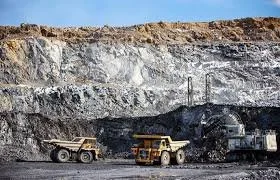
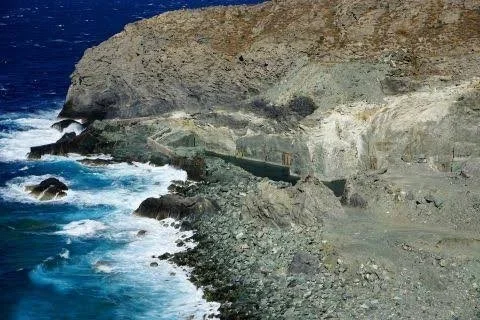
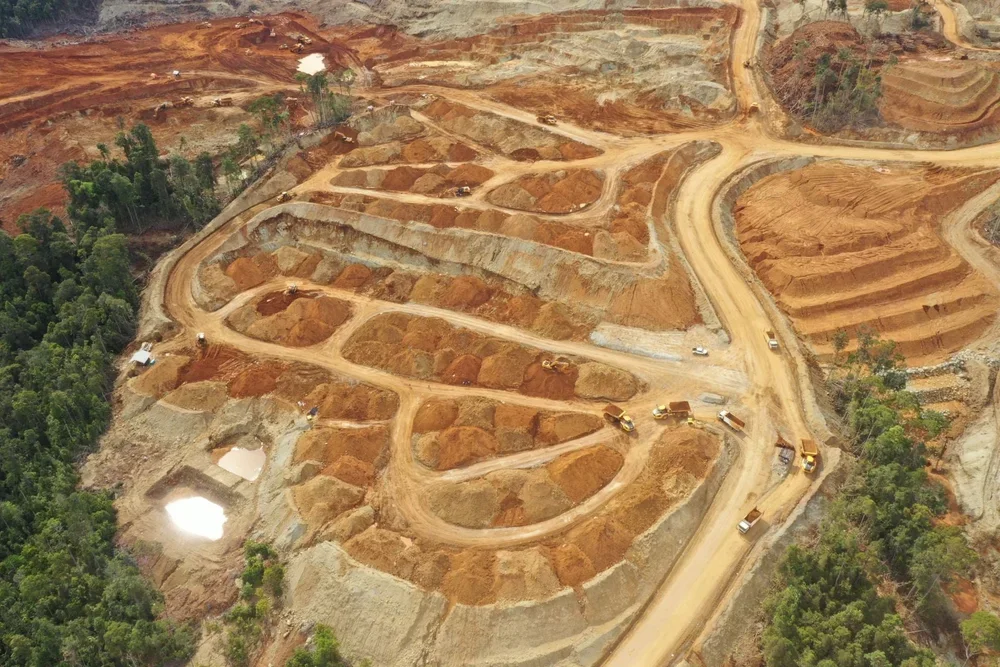
Over time, industrial activity left behind excavations, tunnels, quarry faces, processing areas, and other structures.
Some sites became inactive as deposits were exhausted, economic conditions changed, or extraction methods developed.
What Is Cryptocurrency Mining?
Cryptocurrency mining is a process used by certain blockchain networks to validate transactions and secure the distributed ledger.
In proof-of-work systems, specialized computers perform large numbers of cryptographic calculations.
The first participant to produce a valid result may receive a block reward and transaction fees, depending on the network's rules.
Bitcoin is the best-known example of a cryptocurrency that uses proof of work.
Not all cryptocurrencies require mining. Many networks use proof-of-stake or other consensus mechanisms that rely on different methods of transaction validation.
Why Consider Underground Facilities?
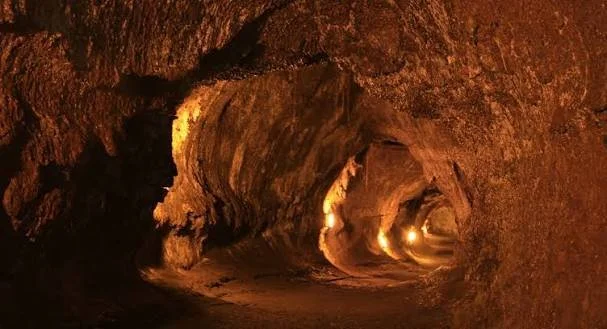
Underground industrial spaces may appear attractive for technology infrastructure because they can provide shelter from direct sunlight and potentially stable temperatures.
A mine tunnel may also offer physical space for equipment, cables, and technical installations.
However, an abandoned mine is not automatically suitable for computer infrastructure.
It may contain unstable rock, water infiltration, poor ventilation, hazardous gases, difficult access, and limited electrical connections.
These conditions can make conversion expensive and technically complicated.
Cooling and Energy Requirements
Computer facilities generate substantial heat.
Cryptocurrency mining equipment must operate within acceptable temperature ranges to avoid overheating and hardware failure.
Underground environments may reduce exposure to outdoor temperature fluctuations, but they do not eliminate the need for cooling.
Heat must still be transferred away from the equipment.
A facility may require industrial ventilation, air-conditioning systems, heat exchangers, or liquid-cooling infrastructure.
Electricity consumption is another major issue.
A large proof-of-work mining operation can require substantial and continuous electrical power.
The availability and cost of electricity may determine whether an underground facility is economically viable.
Structural and Environmental Challenges
Converting an abandoned mine into a data facility would require a detailed engineering assessment.
Specialists would need to examine rock stability, tunnel dimensions, groundwater movement, ventilation, emergency access, and the possibility of collapse.
Water management is particularly important.
Some abandoned workings experience persistent seepage or flooding.
Electrical equipment installed in an unsuitable environment could be damaged or create serious safety risks.
The project would also need to consider fire protection, worker access, emergency evacuation, and monitoring systems.
The Economics of Cryptocurrency Infrastructure
Cryptocurrency mining is influenced by several variables.
These include electricity prices, equipment efficiency, network difficulty, cryptocurrency market prices, maintenance costs, and hardware depreciation.
A facility may become unprofitable if electricity costs increase or mining rewards decline.
The initial conversion of a mine could also require substantial investment.
Developers would need to compare the cost of underground construction with the cost of building a conventional industrial data center.
An underground location would only make sense if its advantages outweighed the additional engineering and operating expenses.
Regulation and Energy Policy in Greece
A cryptocurrency facility operating in Greece would need to comply with applicable national and European regulations.
This could involve electricity connections, construction permissions, workplace safety, environmental requirements, taxation, and digital-asset rules.
European regulation of crypto-asset markets has developed significantly, including through the Markets in Crypto-Assets framework.
However, rules governing crypto-asset services should be distinguished from the technical and energy requirements of operating proof-of-work mining equipment.
A facility would need to address both its industrial operations and any financial or commercial activities associated with its business model.
Could Abandoned Mines Become Data Centers?
The idea is not limited to cryptocurrency.
Underground industrial spaces could potentially be adapted for certain types of data storage, computing, research, or communications infrastructure.
Some underground facilities around the world have been explored or adapted for specialized technical uses.
But each site presents different engineering conditions.
An old mine with stable rock and suitable access may be more practical than one with extensive flooding, unstable tunnels, or limited infrastructure.
A feasibility study would need to establish whether the site can support reliable power, cooling, connectivity, and emergency systems.
Environmental Considerations
The environmental impact of a crypto facility would depend heavily on its energy source and operating scale.
A facility powered by carbon-intensive electricity could increase greenhouse gas emissions.
Renewable electricity could reduce operational emissions, although it would not eliminate the environmental effects of construction, equipment production, or electronic waste.
Underground conversion could also disturb existing mine ecosystems or alter groundwater conditions.
Responsible planning would require environmental assessment and long-term monitoring.
Conclusion
The Crypto Hubs in Abandoned Athens Mine Tunnels concept combines Attica's industrial heritage with the infrastructure demands of modern digital technology.
Underground spaces may offer certain advantages for specialized computing facilities, particularly in terms of shelter and potentially stable environmental conditions.
However, abandoned mines are difficult environments to convert. Structural safety, water management, ventilation, electricity supply, cooling, connectivity, and regulatory compliance would all need to be addressed.
There is no basis to describe a major cryptocurrency hub in abandoned Athens mine tunnels as an established project without specific supporting evidence.
The idea is best understood as a possible adaptive-reuse concept: transforming former industrial spaces into modern technical infrastructure, provided that engineering, economic, and environmental assessments demonstrate that the conversion is safe and worthwhile.