Introduction
Lithium has become one of the most strategically important minerals in the global transition toward electric transportation and renewable energy storage. It is a key component in many rechargeable batteries used in electric vehicles, consumer electronics, and grid-scale energy systems.
The title Lithium Deposits Sparking 2026 EU Interest Greece reflects a broader European effort to secure reliable supplies of critical raw materials and reduce dependence on a limited number of foreign suppliers.
Greece has a significant mining history and geological potential, but claims about specific lithium deposits or major commercial discoveries must be separated from the wider European interest in mineral security. The existence of a national exploration opportunity does not automatically mean that a commercially viable lithium mine has been confirmed.
Why Lithium Matters to Europe
Lithium is essential to many modern battery technologies.
Demand has increased as governments, manufacturers, and energy companies invest in electric vehicles, renewable energy storage, and electrification.
Europe has sought to strengthen its access to critical raw materials because supply chains are vulnerable to geopolitical tensions, trade restrictions, processing concentration, and price fluctuations.
The European Union's Critical Raw Materials Act reflects this concern.
It establishes strategic objectives related to extraction, processing, recycling, and diversification of supply.
Lithium is among the materials considered strategically important for Europe's industrial and energy ambitions.
Greece's Geological Potential
Greece contains a diverse range of geological formations.
Its mineral resources include industrial minerals, metallic deposits, and materials associated with complex tectonic and magmatic processes.
Lithium can occur in several geological environments.
The most familiar sources include lithium-bearing pegmatites, certain granitic rocks, and lithium-rich brines.
Other possible sources include sedimentary deposits and clay-rich formations.
The geological conditions required for lithium accumulation vary significantly, meaning that a country's mineral diversity does not automatically establish the presence of an economically recoverable lithium resource.
How Lithium Deposits Form
Lithium is a relatively light chemical element that can become concentrated through geological processes.
In pegmatite deposits, lithium-bearing minerals may crystallize from the final stages of magma cooling.
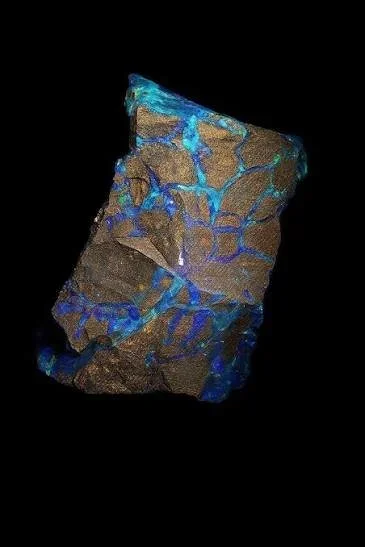
Important lithium minerals include spodumene, petalite, and lepidolite.
In brine deposits, lithium becomes concentrated in underground saline water through long-term evaporation and water-rock interactions.
Sedimentary deposits may contain lithium-bearing clays or other minerals that require specialized extraction methods.
Each deposit type presents different technical and environmental challenges.
Exploration Versus Commercial Discovery
A major distinction in mineral development is the difference between geological potential and a proven resource.
Early exploration may involve geological mapping, sampling, geochemical analysis, and geophysical surveys.
If results are promising, companies may conduct drilling to determine the depth, thickness, and continuity of mineralized zones.
Further work is needed to estimate the quantity and grade of lithium-bearing material.
Even a confirmed mineral resource may not become a profitable mine.
A commercial project must also consider extraction costs, processing technology, infrastructure, energy requirements, environmental impacts, permits, and market conditions.
Europe's Critical Raw Materials Strategy
The European Union has increasingly focused on building more resilient mineral supply chains.
The Critical Raw Materials Act sets benchmarks for strengthening domestic capacity and diversifying external supply.
Its objectives include increasing European extraction, processing, and recycling capacity by 2030.
Lithium is particularly important because battery manufacturing requires reliable supplies of processed lithium compounds.
The European strategy is not simply about finding new deposits. It also involves developing refining facilities, recycling systems, research capabilities, and long-term industrial partnerships.
Potential Economic Benefits for Greece
If economically viable lithium resources were identified and developed in Greece, the potential benefits could extend beyond mining.
A domestic supply chain might support mineral processing, chemical engineering, battery research, industrial employment, and specialized technical education.
Local suppliers could provide engineering services, transportation, construction, environmental monitoring, and equipment maintenance.
However, the economic value of a mineral project depends on its scale, quality, ownership structure, processing arrangements, and ability to compete internationally.
A discovery alone does not guarantee significant national revenue or employment.
Environmental Challenges
Lithium extraction can create environmental pressures.
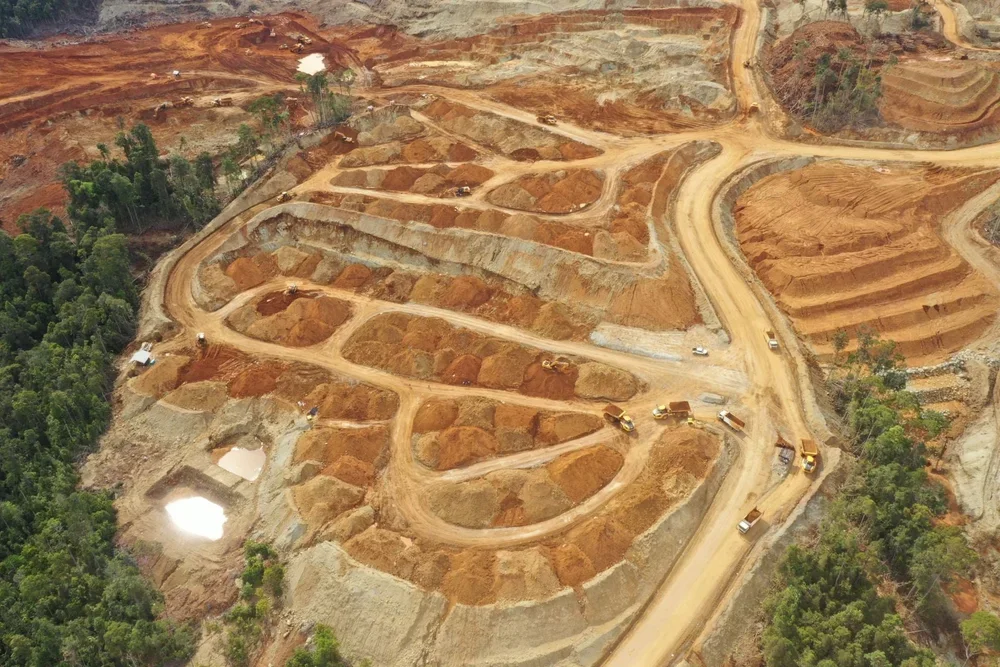
Mining may disturb landscapes, generate waste rock, consume water, and affect nearby ecosystems.
Processing can require substantial energy and chemical inputs.
The environmental impact varies according to deposit type and extraction method.
A hard-rock mine, a brine operation, and a sedimentary clay project do not have identical environmental profiles.
Any potential Greek project would require transparent environmental assessment, water management, waste planning, community consultation, and monitoring throughout its life cycle.
Recycling and the Circular Economy
Mining is only one part of the lithium supply chain.
Recycling can recover lithium and other valuable materials from used batteries.
As the number of electric vehicles and stationary battery systems increases, recycling could become an important source of secondary raw materials.
The EU's battery policy framework encourages improved collection, recovery, and recycling.
For Greece, investment in battery recycling and materials research could be relevant even if large domestic lithium deposits are not confirmed.
The Importance of Accurate 2026 Reporting
The phrase "2026 EU interest" should be understood in the context of Europe's continuing critical-minerals strategy, not as proof of a particular new Greek lithium mine.
To establish the status of a specific project, researchers would need current geological survey results, company disclosures, exploration permits, environmental filings, and official government announcements.
These sources should identify the location, mineral type, exploration stage, and evidence supporting any resource estimate.
Without such documentation, claims about large lithium reserves or imminent production would be premature.
Conclusion
The Lithium Deposits Sparking 2026 EU Interest Greece topic reflects a genuine strategic issue: Europe's need to strengthen access to lithium and other critical raw materials.
Greece's geological diversity provides a reason to investigate its mineral potential, while the European Union's industrial strategy creates broader interest in domestic and diversified supply chains.
However, geological potential must not be confused with a confirmed commercial deposit. Exploration results, resource estimates, extraction feasibility, and environmental assessments are necessary before a project can be described as a viable lithium operation.
The most realistic opportunity for Greece may involve a combination of responsible mineral exploration, advanced processing research, battery recycling, and participation in Europe's wider critical-materials industry.