Introduction
The Greek island of Tinos is internationally recognized for its marble, stoneworking traditions, and long history of quarrying. Its geological resources have influenced local architecture, sculpture, craftsmanship, and economic life for centuries.
Marble is a metamorphic rock formed when limestone or dolostone is transformed by heat, pressure, and chemically active fluids. Its appearance varies according to mineral composition, crystal size, and the presence of impurities or veins.
The idea of marble veins in the unquarried depths of Tinos raises questions about the island's underground geological resources and the possibility of undiscovered deposits. While Tinos is already known for important marble formations, the presence, extent, and quality of deeper unquarried veins would require detailed geological investigation.
The Geological Character of Tinos
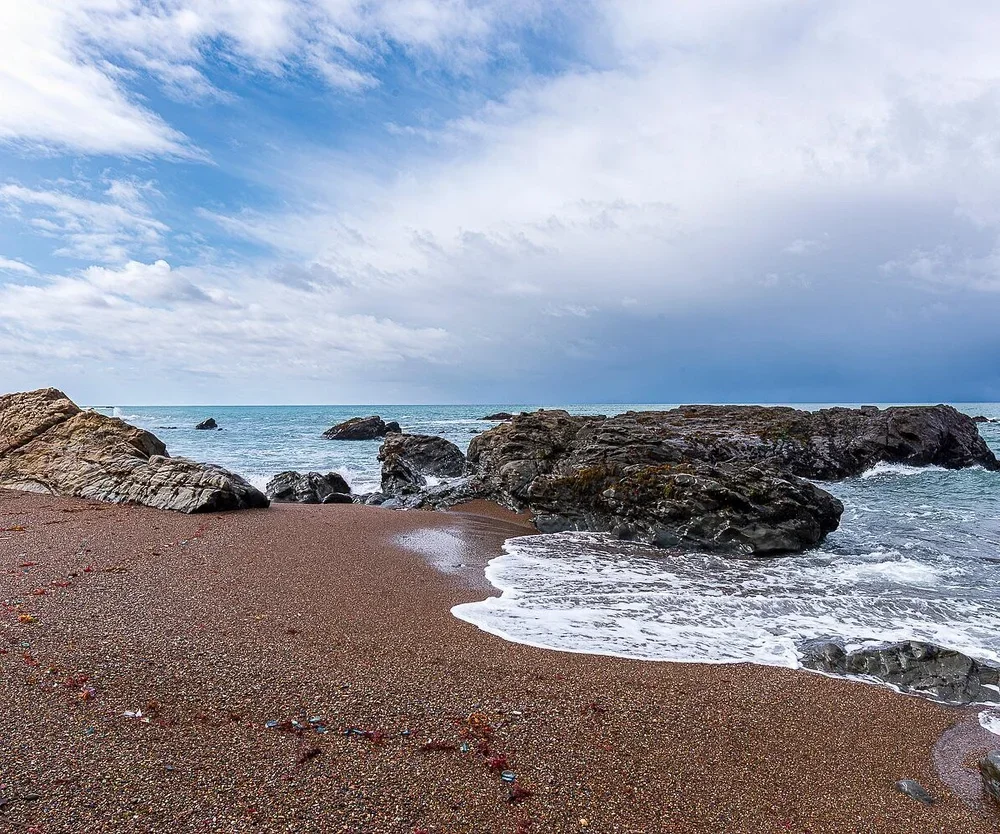
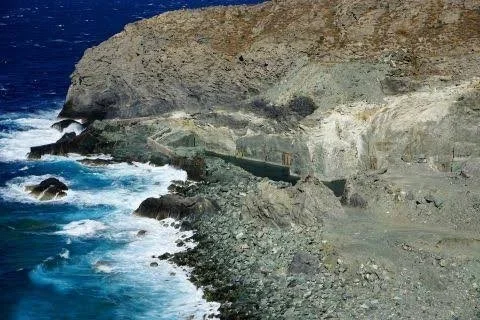
Tinos belongs to the Cyclades, a group of islands in the Aegean Sea with a complex geological history.
The island contains metamorphic rocks formed during regional tectonic processes. These rocks were exposed to changing temperatures and pressures as crustal materials were buried, deformed, and later uplifted.
The geology of Tinos includes marble, schist, and other metamorphic formations. Their arrangement reflects the island's long history of tectonic movement and metamorphism.
These geological conditions helped create the stone resources that later became important to local quarrying and craftsmanship.
How Marble Forms
Marble begins as limestone or dolostone, sedimentary rocks composed mainly of carbonate minerals.
When these rocks experience elevated temperatures and pressures, their original minerals recrystallize. The resulting rock develops an interlocking crystalline texture.
During metamorphism, impurities may form additional minerals. These can create distinctive colors, patterns, and veins.
The final appearance of marble depends on its original composition and the geological conditions under which recrystallization occurred.
Some marble is nearly pure white, while other varieties contain gray, green, pink, or darker bands.
Understanding Marble Veins
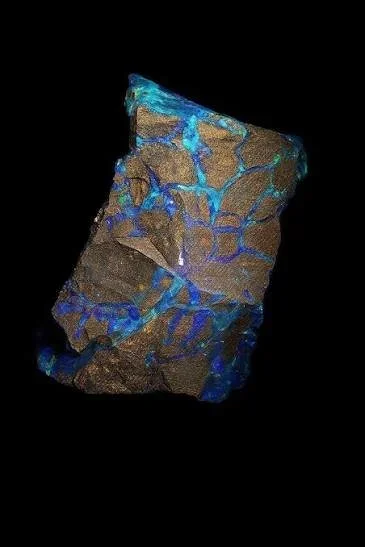
Marble veins are mineral-rich structures that cut through or occur within the surrounding rock.
They may form when fluids move through fractures and deposit minerals as temperature, pressure, and chemical conditions change.
Common vein minerals include quartz, calcite, and other substances introduced or redistributed during geological processes.
Some veins create attractive patterns that increase the decorative value of a marble block. Others may reduce the structural quality of stone by creating weaknesses or irregularities.
Geologists examine vein orientation, thickness, mineral composition, and relationships with surrounding rock to understand how they formed.
The Marble Heritage of Tinos
Tinos has a long tradition of stone extraction and sculpture.
The island's marble became important in Greek artistic and architectural history. Local craftsmanship developed around the use of high-quality stone, while quarrying supported economic activity and trade.
Tinian marble is associated with the wider history of Greek sculpture and building traditions. Its qualities made it useful for architectural elements, decorative objects, and sculptural work.
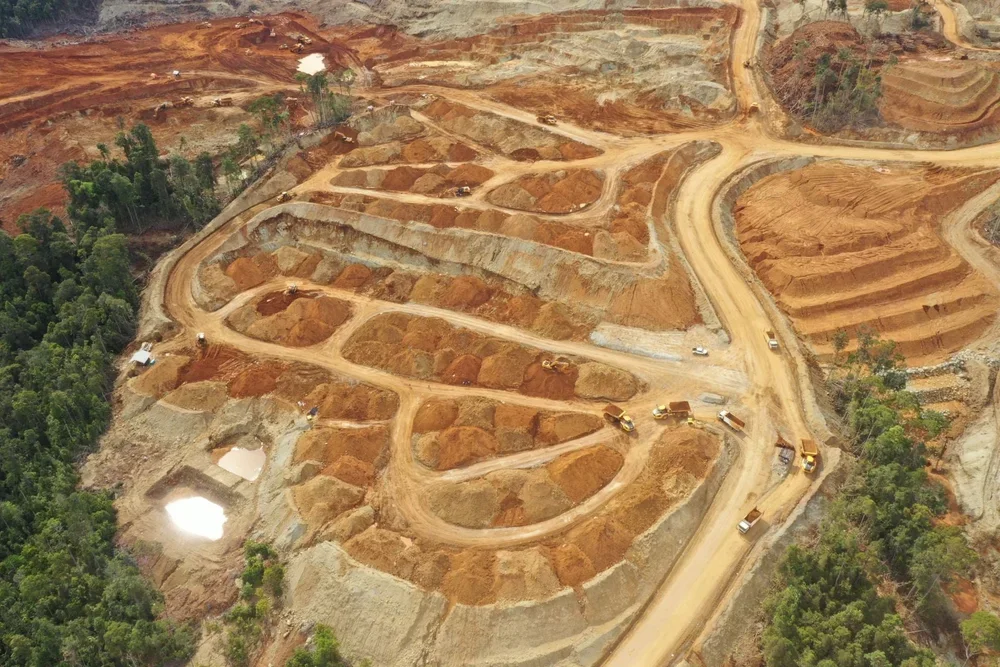
Quarrying also shaped the cultural landscape. Abandoned extraction sites, workshops, transport routes, and unfinished stone blocks can preserve evidence of earlier industrial activity.
Why Some Deposits Remain Unquarried
Not every marble formation is suitable for commercial extraction.
A deposit may remain untouched because it is difficult to reach, too deeply buried, fractured, inconsistent in quality, or located within an environmentally protected area.
Economic conditions also influence quarrying. The cost of extraction, transportation, equipment, and processing must be balanced against the market value of the stone.
Some marble deposits may be known to geologists but never developed commercially. Others may remain poorly studied because there has been little reason to investigate them.
An unquarried deposit is therefore not necessarily a hidden treasure. It may simply be a geological resource that has not been economically or technically attractive.
Investigating Deep Marble Formations
Geological exploration begins with surface mapping and the examination of exposed rock formations.
Researchers record the distribution of marble, identify structural boundaries, and examine the relationship between veins and surrounding metamorphic rocks.
Geophysical methods can help investigate deeper formations. Electrical resistivity, seismic surveys, and other techniques may provide information about underground structures, depending on the geological setting.
Drilling can provide direct samples from below the surface, allowing researchers to examine rock composition and continuity.
However, drilling is expensive and can disturb the environment. It should be undertaken only when justified by scientific, economic, or planning objectives.
Determining Marble Quality
The quality of marble depends on several factors.
Color and pattern are important for decorative applications, while grain size and structural integrity influence its suitability for carving or construction.
Researchers may examine porosity, water absorption, compressive strength, and resistance to weathering.
Mineralogical analysis can identify impurities and the composition of veins.
A deposit that appears visually attractive may still contain fractures or weaknesses that make extraction difficult.
Archaeology and Historical Quarrying
Old quarries provide valuable evidence about the relationship between geology and human technology.
Archaeologists can study extraction marks, unfinished blocks, tool fragments, transport routes, and workshop remains.
These features may reveal how ancient workers identified suitable stone, organized labor, and moved heavy materials.
Comparing ancient architectural marble with geological sources can also help reconstruct trade networks.
However, matching a finished sculpture to a particular quarry requires careful geological and archaeological analysis. Visual resemblance alone is not sufficient.
Conservation and the Future of Tinos Marble
Marble quarrying can create economic opportunities but also affect landscapes, groundwater, habitats, and cultural heritage.
Responsible extraction requires geological assessment, environmental planning, waste management, and protection of historic sites.
The island's marble resources also have educational and cultural value. Abandoned quarries and traditional workshops can help visitors understand the relationship between natural geology and human craftsmanship.
Preserving this heritage does not necessarily mean preventing all extraction. It means managing resources in a way that protects the island's long-term environmental and cultural interests.
Conclusion
Tinos is one of Greece's important marble-producing islands, and its geological history provides a strong foundation for investigating both known and unquarried marble formations.
Marble veins can reveal the movement of mineral-rich fluids during metamorphism and later geological activity. Their composition and structure influence the appearance and practical quality of the stone.
The possibility of deeper unquarried marble deposits is scientifically interesting, but their extent and value cannot be assumed without geological mapping, sampling, and appropriate subsurface investigation.
By combining mineralogical research, quarry archaeology, and responsible resource management, researchers can better understand the relationship between Tinos's geological resources and its long-standing artistic and economic traditions.