Circe is one of the most captivating figures in Greek mythology, known for her role in The Odyssey by Homer.
Living on a mysterious island, Circe possessed powerful magical abilities, particularly the power to transform humans into animals.
Encounter with Odysseus
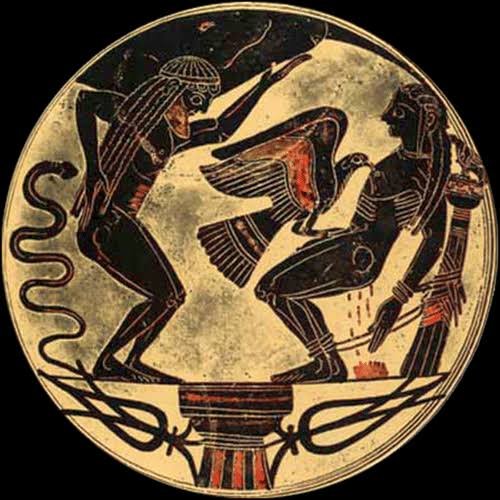
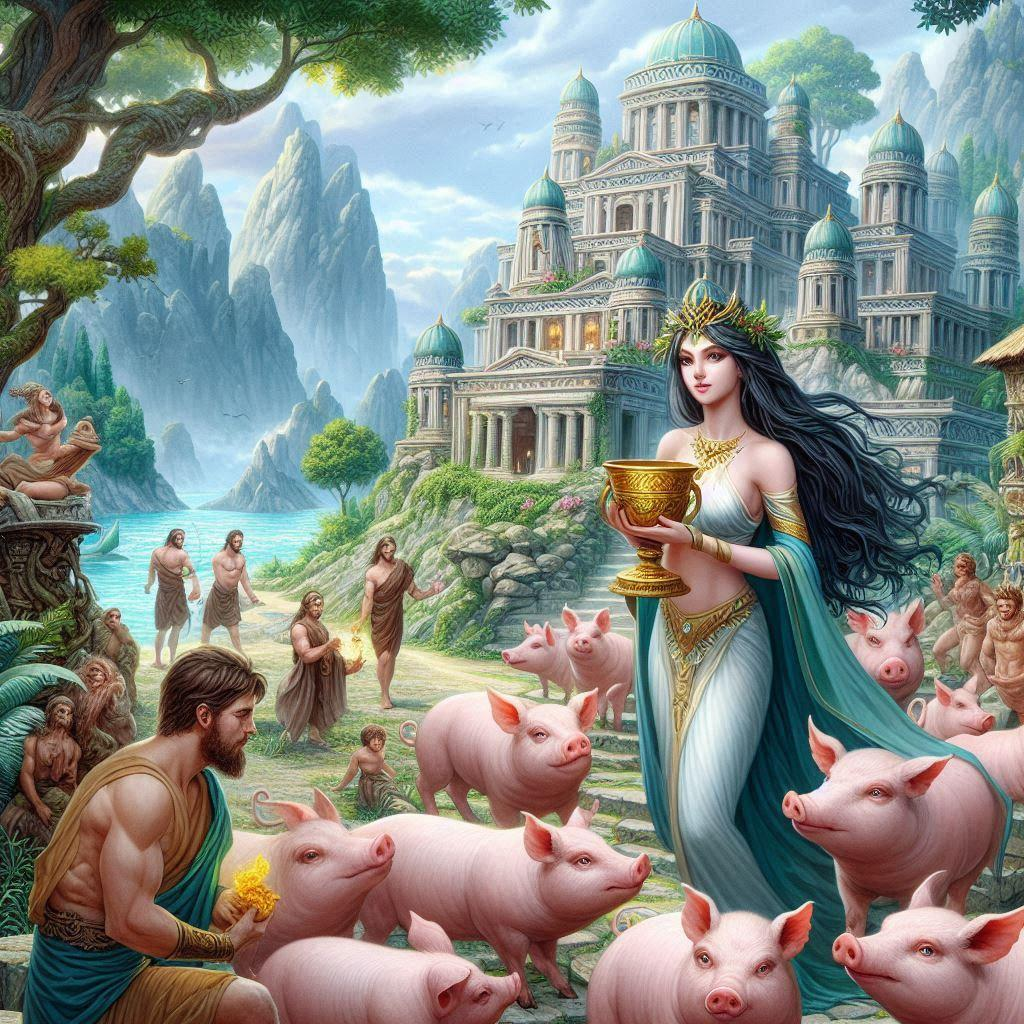
When Odysseus and his men arrived on her island, Circe used a potion to turn his crew into pigs.
However, with the help of the god Hermes, Odysseus resisted her magic. Instead of defeating her through violence, he compelled her to reverse the spell and became her guest.
A Complex Character
Circe is not simply a villain. She is:
A powerful, independent woman
A figure of both danger and hospitality
A symbol of transformation—both physical and psychological
Her island becomes a place of pause in Odysseus’s journey, where he gains knowledge before continuing.
Symbolism and Interpretation
Circe’s transformations may represent:
The loss of human identity through indulgence
The dangers of temptation
The thin line between civilization and savagery
Conclusion: Myths That Continue to Shape Our World
These myths—of the Underworld, the Trojan War, the Amazons, and Circe—are not merely ancient stories. They are profound explorations of:
Life and death
Desire and consequence
Power and identity
Civilization and transformation
Their endurance lies in their ability to evolve, offering new meanings with each generation.
In the end, Greek mythology does not just tell us about gods and heroes—it tells us about ourselves, our fears, and our endless search for understanding.