The Inescapable Web of Destiny

The story of Oedipus remains one of the most philosophically profound narratives in Greek mythology, offering a deeply unsettling exploration of fate, identity, and human limitation. Immortalized in Oedipus Rex by Sophocles, the myth continues to resonate because it confronts a terrifying question: Can human beings ever escape destiny?
At the heart of the story lies a prophecy—that Oedipus would kill his father and marry his mother. In an attempt to prevent this fate, his parents abandoned him as an infant. However, this very act sets the prophecy into motion. Raised by another royal family, Oedipus grows up unaware of his origins. When he later hears the same prophecy, he flees the people he believes to be his parents—ironically moving closer to his true fate.
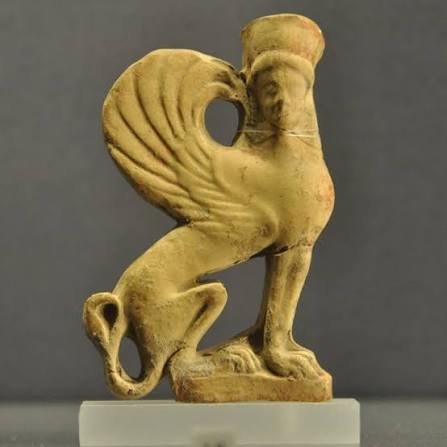
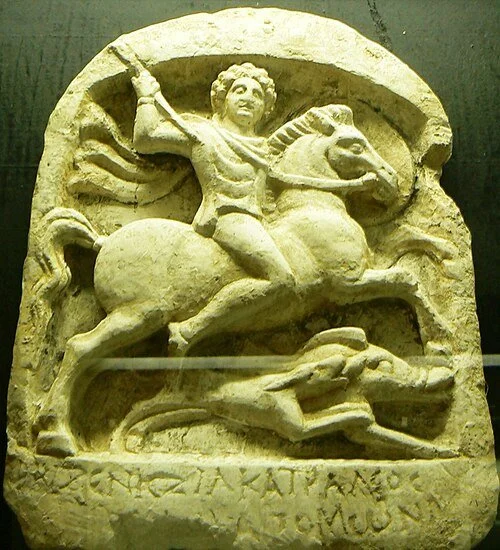
On his journey, Oedipus unknowingly kills his biological father, King Laius, during a chance encounter. Later, he arrives in Thebes, where he solves the riddle of the Sphinx, saving the city and earning the throne—and the hand of Queen Jocasta, his mother.
Layers of Meaning
The myth’s enduring power lies in its complex thematic structure:
1. Fate vs. Free Will
Despite every effort to avoid destiny, Oedipus fulfills the prophecy. This suggests that fate in Greek thought is absolute, and human agency is limited.
2. Knowledge vs. Ignorance
Oedipus is determined to uncover the truth, yet this pursuit leads to his downfall. Knowledge, rather than liberating him, becomes a source of unbearable suffering.
3. Sight vs. Blindness
Ironically, Oedipus is metaphorically blind throughout his life. Only after discovering the truth does he blind himself physically, symbolizing his transition from ignorance to painful awareness.
Psychological and Cultural Influence
The myth of Oedipus has had a profound impact beyond literature. It has influenced philosophy, theater, and even modern psychology, particularly in discussions of identity and subconscious motivation. While interpretations differ, the story remains a powerful exploration of human vulnerability.
Ultimately, Oedipus is not merely a tragic figure—he is a reflection of humanity’s struggle to understand itself in a world governed by forces beyond its control.