• Home page/Blog
    • Ancient Greece
    • Archaeology
    • Mythology
    • Architecture
    • Artefact
    • Inventions
    • Tourism
    • News
    • Science
    • General
    • Weird
    • Recipes
    • Blog
  • About
  • Contact
Menu

GHD

  • Home page/Blog
  • History
    • Ancient Greece
    • Archaeology
    • Mythology
  • Art
    • Architecture
    • Artefact
    • Inventions
  • Travel
    • Tourism
  • Other
    • News
    • Science
    • General
    • Weird
    • Recipes
    • Blog
  • About
  • Contact

A Day in the Life of an Athenian Citizen

April 14, 2026

Life as a male citizen in Athens was defined by participation in civic, political, and intellectual activities. Unlike modern lifestyles divided between work and politics, Athenian citizens were expected to actively engage in the functioning of the state.

Morning Activities and Public Life

A typical day began early with a light breakfast of bread dipped in olive oil or wine. Afterward, citizens often headed to the agora, the central public square where political debates, legal discussions, and commercial transactions took place.

Citizens might:

  • Attend assemblies (ekklesia)

  • Listen to public speeches

  • Engage in philosophical discussion

  • Supervise business or trade

Education, Exercise, and Leisure

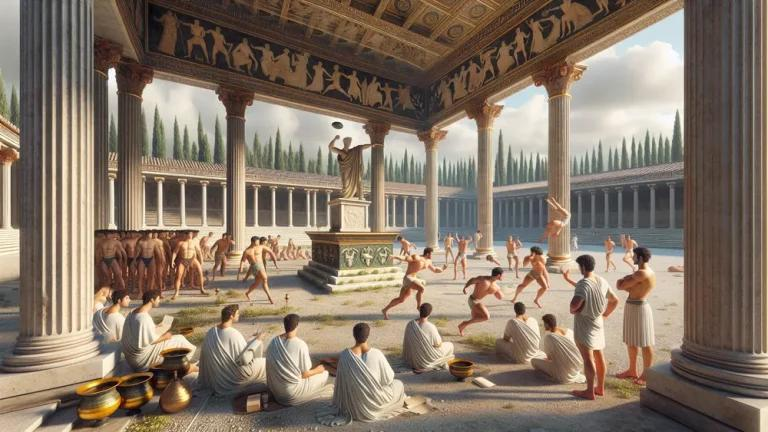
Education and physical fitness were both highly valued. Young men trained in gymnasiums, where they studied philosophy, rhetoric, and mathematics while also participating in athletic exercises.

Leisure activities included:

  • Watching theatrical performances

  • Participating in symposia

  • Discussing politics and ethics

Evening Life and Social Structure

Evenings were often reserved for the deipnon (main meal), followed by social gatherings among elite citizens. However, participation in political life was limited to free adult males, excluding women, slaves, and foreigners.

Conclusion

The life of an Athenian citizen was deeply intertwined with the state. Identity was not individual but civic, shaped by participation in democracy, debate, and public responsibility.
← Greek Theater: Tragedy, Comedy, and Satyr PlaysThe Role of Women in Ancient Greece →
Featured
image_2026-04-14_213234881.png
Apr 14, 2026
The Importance of Wine in Greek Culture
Apr 14, 2026
Apr 14, 2026
image_2026-04-14_213201601.png
Apr 14, 2026
The Olympics in Ancient Greece: History and Traditions
Apr 14, 2026
Apr 14, 2026
image_2026-04-14_213119171.png
Apr 14, 2026
Greek Theater: Tragedy, Comedy, and Satyr Plays
Apr 14, 2026
Apr 14, 2026
image_2026-04-14_213047791.png
Apr 14, 2026
A Day in the Life of an Athenian Citizen
Apr 14, 2026
Apr 14, 2026
image_2026-04-14_212959120.png
Apr 14, 2026
The Role of Women in Ancient Greece
Apr 14, 2026
Apr 14, 2026
image_2026-04-14_211924970.png
Apr 14, 2026
Greek Fashion: How Did They Dress?
Apr 14, 2026
Apr 14, 2026
image_2026-04-14_211859063.png
Apr 14, 2026
What Did Ancient Greeks Eat?
Apr 14, 2026
Apr 14, 2026
image_2026-04-14_211541006.png
Apr 14, 2026
The Gods in the Iliad: Divine Politics in War
Apr 14, 2026
Apr 14, 2026
SEE MORE

Powered by ©GreeceHighDefinition / Privacy Policy