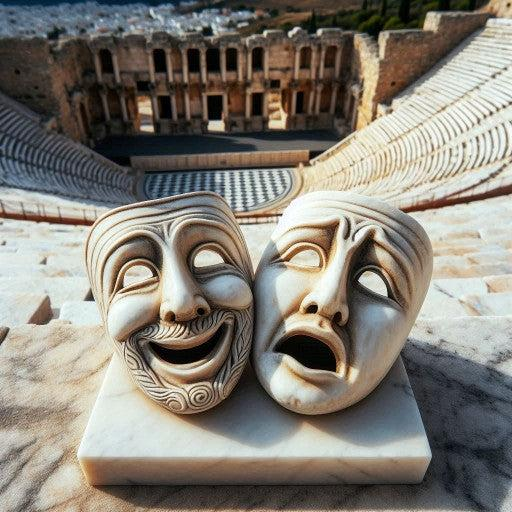
Greek theater developed as part of religious festivals honoring Dionysus. Performances were held in large open-air amphitheaters, where citizens gathered to watch plays that explored human nature, morality, and divine influence.
Tragedy: Suffering and Fate
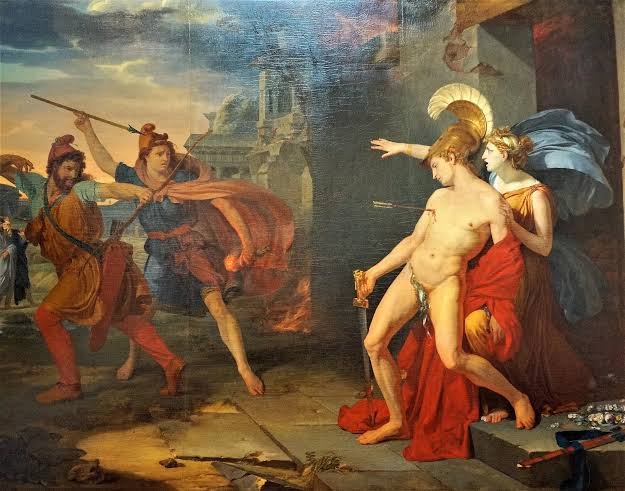
Greek tragedy focused on serious themes such as fate, suffering, and moral conflict. Stories often came from myth, featuring heroes who faced unavoidable downfall due to destiny or personal flaws.
Common elements included:
Conflict between humans and gods
Inevitability of fate
Emotional catharsis for the audience
Comedy: Society and Satire
Comedy provided contrast by focusing on humor, politics, and social critique. Playwrights used satire to criticize public figures and institutions, often exaggerating behavior for comedic effect.
Satyr Plays: Chaos and Relief
Satyr plays combined mythological themes with comedic and often chaotic elements. They served as lighthearted conclusions to dramatic trilogies.
Conclusion
Greek theater was more than entertainment—it was a public space for exploring identity, ethics, and society.