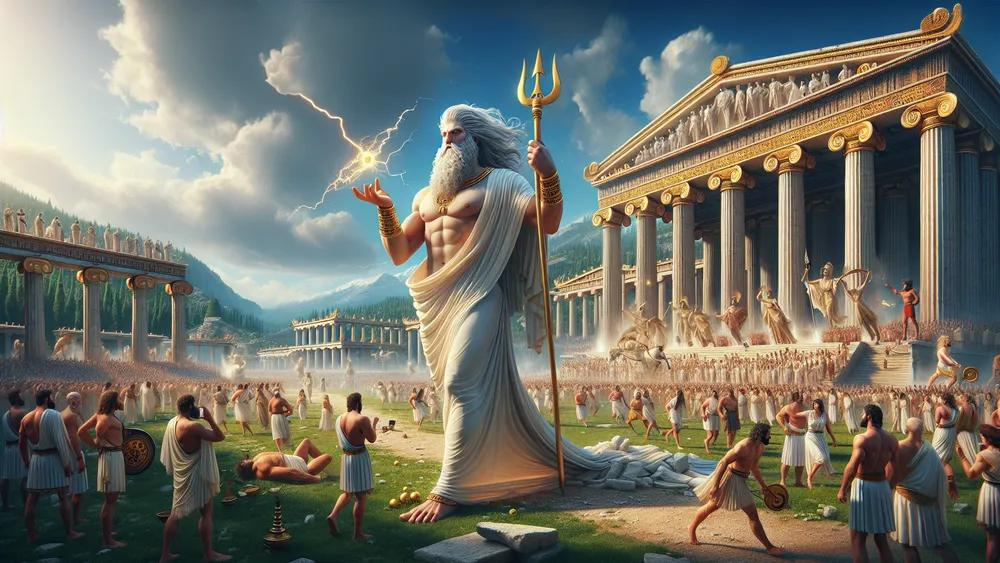
The ancient Olympic Games began in honor of Zeus and were held at Olympia in Ancient Greece. Far more than a sporting event, the Olympics were a deeply religious festival that combined physical competition, ritual worship, and cultural unity among Greek city-states. The games are believed to have begun in 776 BCE and continued for nearly twelve centuries, making them one of the longest-running traditions in ancient history.
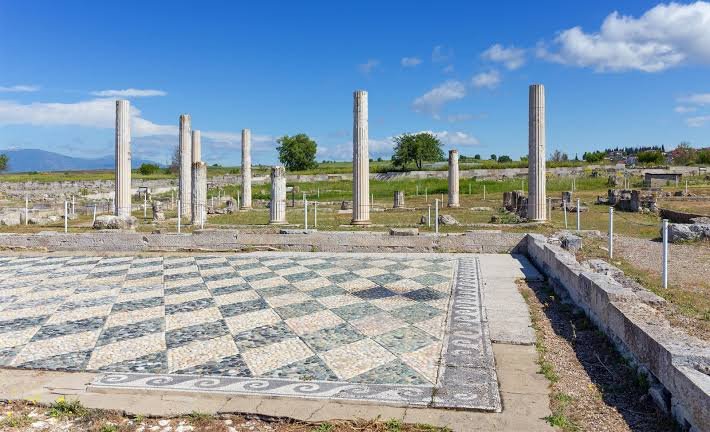
The sanctuary of Olympia served as both a sacred and athletic space. Temples, altars, and athletic grounds coexisted, reinforcing the idea that athletic excellence was a form of devotion to the gods. Athletes competed not only for personal glory but also as representatives of their city-states, bringing honor to their communities.
Events and Competitions
The Olympic Games featured a wide range of athletic contests that tested strength, speed, endurance, and skill. These events reflected the Greek ideal of arete, meaning excellence in both body and character.
Key competitions included:
Running races: ranging from short sprints to long-distance races such as the stadion
Wrestling: a highly technical sport requiring strategy and strength
Boxing: brutal and often bloody, with few protective rules
Chariot racing: one of the most dangerous and prestigious events
Pankration: a nearly no-holds-barred combat sport combining wrestling and boxing, with minimal restrictions
Only free Greek men were allowed to compete, and athletes often trained for years in gymnasiums. Women were generally excluded, although some religious exceptions existed in separate festivals.
Athletes competed nude, a practice symbolizing equality, discipline, and admiration of the human form, which the Greeks considered a reflection of divine perfection.
Rituals and Traditions
The Olympics were inseparable from religious devotion. Before competitions began, athletes and judges participated in rituals at the altar of Zeus. A key feature of the games was the sacrifice of animals, typically bulls, as offerings to ensure divine favor.
Another essential tradition was the Olympic Truce (ekecheiria), a sacred agreement among Greek city-states that temporarily halted wars and conflicts. This allowed athletes and spectators to travel safely to Olympia, emphasizing the unifying power of the festival in a politically fragmented Greece.
Victors were crowned with olive wreaths made from branches of the sacred wild olive tree near Olympia. Although the physical prize was simple, the social rewards were immense. Olympic champions received lifelong honor, public praise, financial rewards from their home cities, and sometimes even political influence.
Statues and poems were often commissioned to immortalize champions, turning athletic success into cultural legacy.
Cultural and Symbolic Meaning
The Olympic Games reflected core Greek values:
Strength and discipline: the importance of physical training
Honor and glory: success was measured by reputation
Balance of body and mind: athleticism was tied to moral virtue
Unity among Greeks: despite political divisions, the games created shared identity
The Olympics also reinforced the Greek belief that human excellence was a reflection of divine favor. Winning an event was not just personal achievement—it was a sign of harmony with the gods.
Conclusion
The Olympics in Ancient Greece were far more than athletic contests. They were a fusion of sport, religion, politics, and identity, reflecting the deeply interconnected nature of Greek society. Through competition, Greeks celebrated both human potential and divine order.
Even today, the modern Olympic Games draw inspiration from these ancient traditions, continuing the legacy of excellence, unity, and international competition that began in Olympia nearly three thousand years ago.