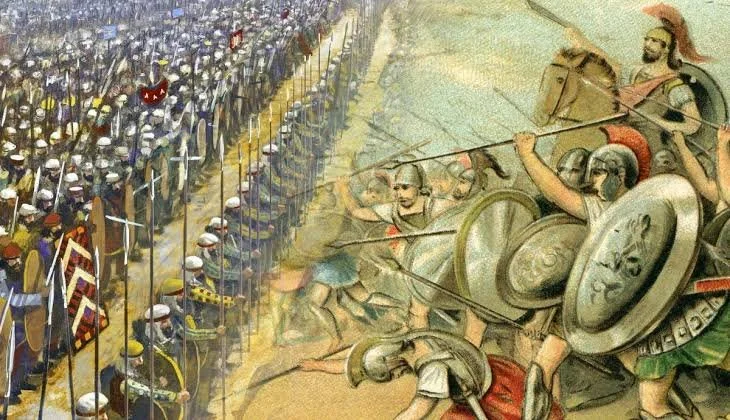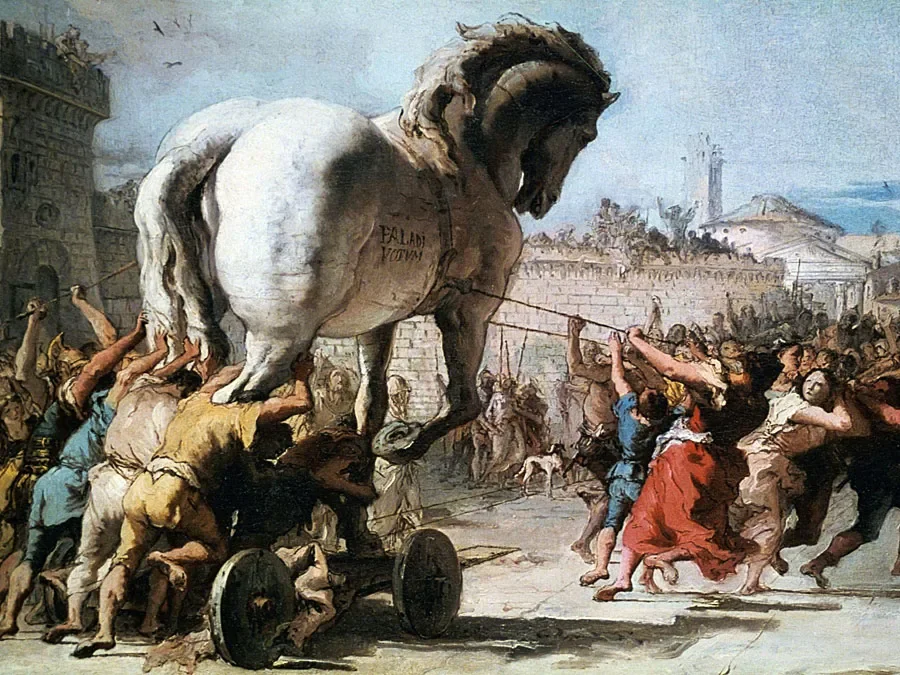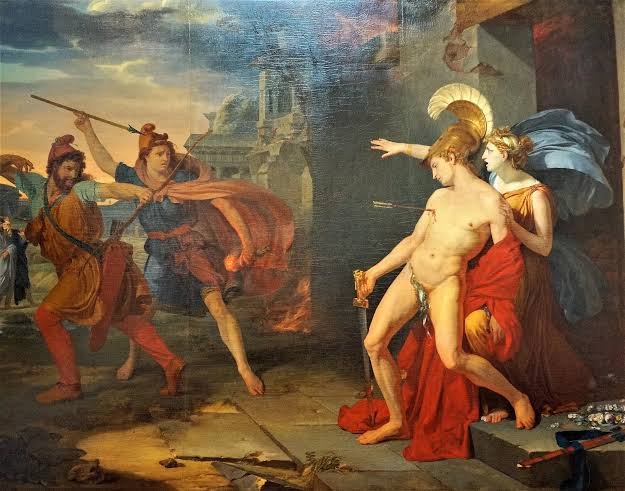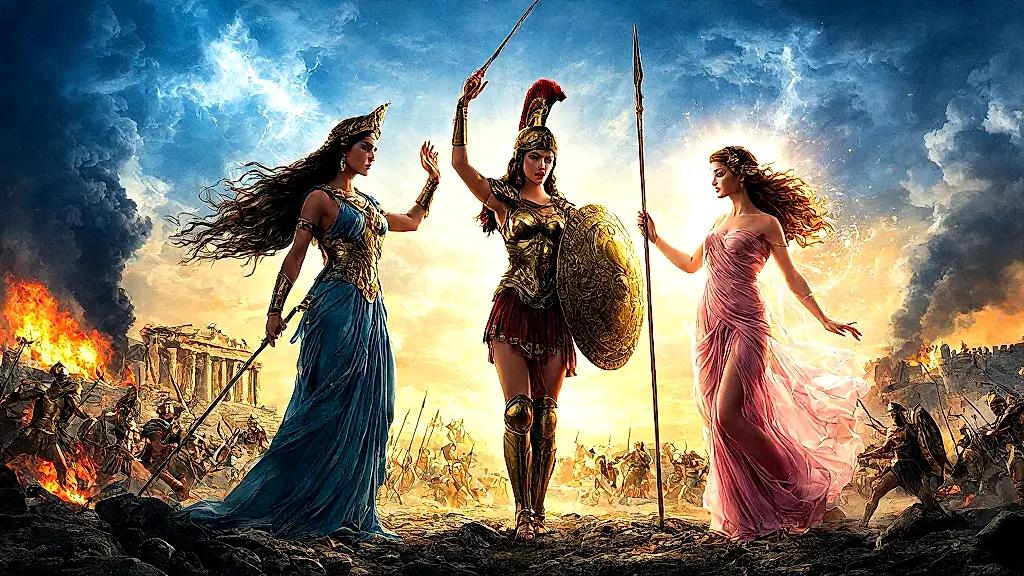
In The Iliad, the Trojan War is not merely a human conflict but a cosmic struggle shaped by divine interference. The gods of Greek mythology actively intervene in battles, manipulate outcomes, and even fight each other through mortal representatives. Unlike modern ideas of distant deities, the Olympian gods are deeply emotional, biased, and politically engaged.
At the center of this divine conflict is Zeus, who attempts to maintain balance by forbidding direct interference. However, this neutrality is constantly undermined by the personal rivalries of other gods. The battlefield becomes an extension of Olympus itself, where divine emotions shape human fate.
Divided Gods and Human Consequences
The gods take sides based on personal grudges and favoritism:
Hera and Athena support the Greeks due to resentment toward Troy after the Judgment of Paris
Aphrodite supports the Trojans because Paris chose her as the fairest
Ares shifts allegiance depending on emotional impulses and persuasion
Apollo protects Trojan heroes, often guiding fate indirectly
This divine division transforms the war into a reflection of human emotions—jealousy, pride, love, and rage—magnified to cosmic proportions.
Mortals as Instruments of Divine Will
Heroes such as Achilles, Hector, and others are constantly influenced by gods who:
Save warriors at critical moments
Strengthen or weaken armies
Cloud judgment during combat
Inspire rage or courage
Even fate itself appears partially controlled by divine decision-making. The gods do not merely observe—they shape reality, raising questions about human agency and responsibility.
Meaning of Divine Politics
The Iliad portrays a universe where:
Power is unstable and emotional
Justice is subjective
Even gods lack moral consistency
This reflects ancient Greek understanding of the world as unpredictable and governed by competing forces rather than a single moral order.