Marriage in ancient Greece was not a romantic union based on mutual attraction, but a formal legal contract between two households (oikoi). Its primary purpose was the production of legitimate male heirs to preserve the family line and the city’s citizen body.
1. The Betrothal (Engye)
Before the wedding could take place, a formal "giving of the pledge" occurred between the groom and the bride's father (or her male guardian, the kyrios).
The Contract: The bride was often not even present. The groom and the kyrios agreed on the dowry (property or money provided by the bride's family), which was meant to support her if the marriage ended.
The Ritual Phrase: The father would say, "I give you this woman for the procreation of legitimate children."
Age Gap: Typically, men married in their late 20s or 30s after completing military service, while girls were often married shortly after puberty, around ages 14 to 16.
2. Pre-Wedding Rituals (Proaulia)
The day before the wedding was dedicated to religious preparation and the "severing" of the bride's childhood.
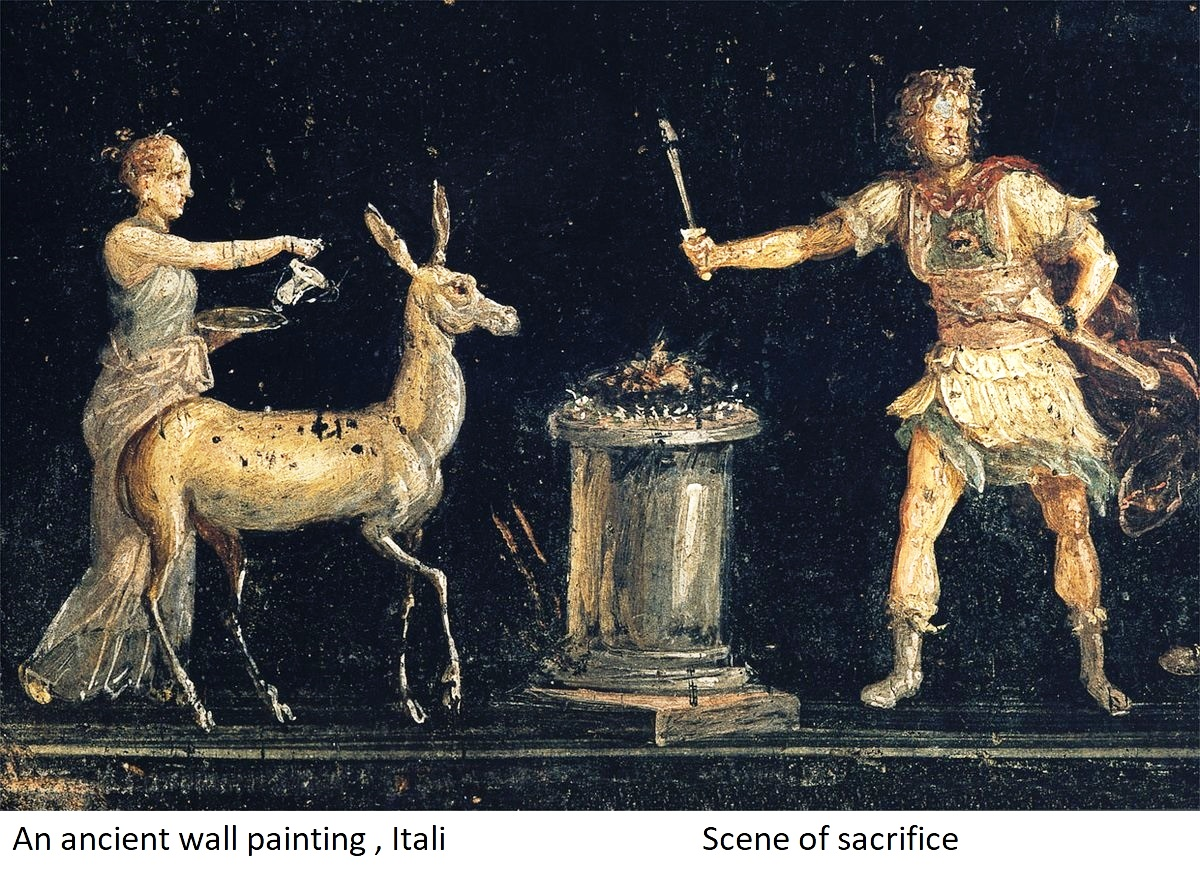
Sacrifices: Offerings were made to the gods of marriage: Zeus, Hera, Artemis, and Aphrodite.
The Loutrophoros: The bride took a ritual bath in water brought from a sacred spring in a special vessel called a loutrophoros. This purified her for her new life.
The Votive Offering: In a poignant ritual, the bride would dedicate her childhood toys and her maiden girdle to Artemis, symbolizing her transition from a girl under the goddess's protection to a woman.
3. The Wedding Day (Gamos)
The ceremony was a journey, both physical and symbolic, from the father’s house to the groom’s house.
The Feast: A banquet was held at the bride's home. Uniquely, women were allowed to attend, though they often sat at separate tables from the men. The "wedding cake" was often made of sesame seeds and honey, symbols of fertility.
The Veiling: The bride remained heavily veiled throughout the day. The ritual of anakalypteria (the "unveiling") happened during the feast, where the groom saw her face for the first time as his wife.
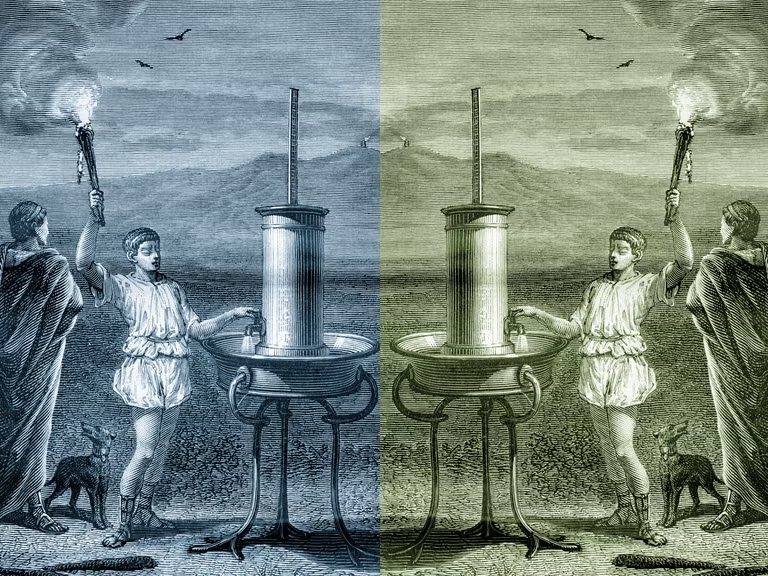
The Procession: After dark, the groom led the bride to a chariot. Torches were lit, and a procession of friends and family followed them through the streets, singing hymenaioi (wedding songs) and playing flutes to announce the union to the neighborhood.
4. Entering the New Home (Epaulia)
When the bride arrived at the groom’s house, she was greeted by her mother-in-law and performed rituals to integrate into the new oikos.
The Hearth: She was led to the family hearth and showered with dried fruits and nuts (katachysmata), a ritual meant to ensure prosperity and fertility.
The Quince: According to Athenian law attributed to Solon, the bride was required to eat a piece of quince before entering the bridal chamber to ensure "sweet" speech and a fruitful union.
The Epithalamium: Outside the bedroom door, friends of the couple would sing loud, boisterous songs (epithalamia) to celebrate the couple and ward off evil spirits.
5. Legal Status and Divorce
Once married, the bride was no longer under the protection of her father; her husband became her new kyrios.
Domestic Life: Her life was largely confined to the home, managing the household and spinning wool.
Divorce: It was relatively easy for a man to divorce his wife; he simply had to send her back to her father's house. For a woman to divorce her husband, she had to submit a written petition to the chief magistrate (Archon), proving extreme mistreatment. In either case, the dowry had to be returned to her family.
The Greek wedding was less about a "happy couple" and more about the orderly transfer of a woman from one male authority to another, all for the sake of the city's future.
Given that the bride had almost no say in who she married and was often much younger than her husband, do you think these customs were designed to ensure the stability of the family, or were they primarily a tool for men to maintain control over property and lineage?