In the hierarchy of ancient Athens, the Metics (metoikoi) occupied a unique and essential middle ground. They were "resident aliens"—free people who were not citizens but were permitted to live in the city long-term.
While they were denied political power, they were the engine of the Athenian economy, making up an estimated one-third to one-half of the free population during the city's Golden Age.
1. Who Were the Metics?
The term metoikos literally means "one who has changed their dwelling." To be classified as a metic in Athens, a foreigner generally had to reside in the city for more than a month.
Origins: Most came from other Greek city-states (like Megara or Corinth), but many were "barbarians" from Thrace, Lydia, or Phoenicia.
Manumitted Enslaved People: When an enslaved person was freed in Athens, they did not become a citizen; they automatically entered the social class of the metics.
Duration: Metic status was hereditary. Even if your family had lived in Athens for three generations, you remained a metic unless the Assembly granted you citizenship for extraordinary service.
2. Legal Obligations and the Prostates
Metics lived under a strict set of legal requirements to ensure they remained "guests" of the state.
The Metoikion: Metics had to pay a specific "resident alien tax" of 12 drachmae a year for men and 6 for independent women. While the amount wasn't huge, the act of paying it was a constant reminder of their inferior status.
The Prostates (Sponsor): Every metic was required by law to have a citizen sponsor. This sponsor acted as a legal intermediary; without one, a metic could be sued or even sold back into slavery.
No Land Ownership: One of the most significant restrictions was that metics could not own real estate (land or houses) in Attica. They were forced to be a "nation of renters," which kept them mobile and prevented them from putting down permanent political roots.
3. The Economic Engine of Athens
Because they couldn't own land or participate in politics, metics funneled their energy into commerce, industry, and the arts.
Trade and Banking: Metics dominated the Piraeus (Athens' port). They ran the shipping lanes, the wholesale markets, and the banking tables in the Agora.
Craftsmanship: If you bought a high-end piece of pottery, a suit of armor, or a piece of jewelry in Athens, it was likely made by a metic. Famous figures like Lysias ran massive shield factories employing hundreds of workers.
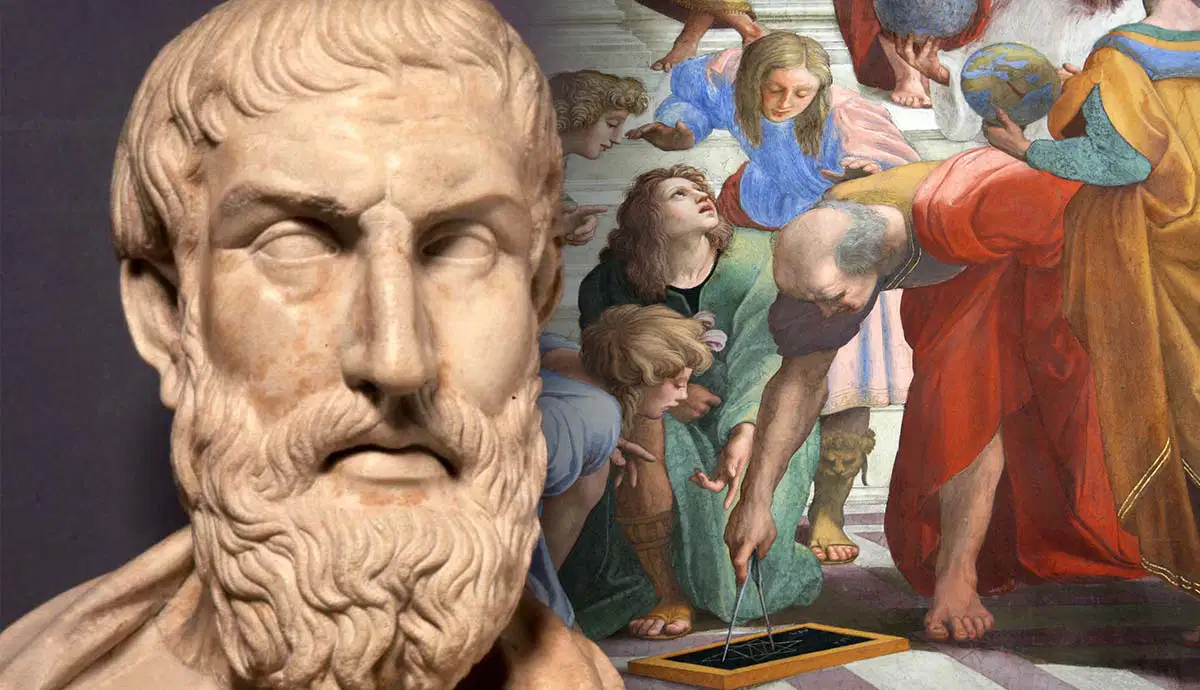
Intellectual Life: Many of Athens' most famous thinkers were actually metics. Aristotle (from Stagira), Aspasia (from Miletus), and the architect Hippodamus were all residents who shaped Athenian culture but could not vote on its laws.
4. Military Service: Fighting for a City Not Their Own
Despite their lack of rights, metics were expected to share the burdens of the state.
Hoplites and Sailors: Wealthy metics served as hoplites (heavy infantry), buying their own armor just like citizens. Poorer metics served as rowers in the Athenian navy.
The Liturgies: The very wealthiest metics were subject to "liturgies"—state-mandated sponsorships where they had to pay for a festival, a play, or the maintenance of a warship (trierarchy).
5. Social Life and Religion
Metics were not entirely excluded from the spiritual life of the city.
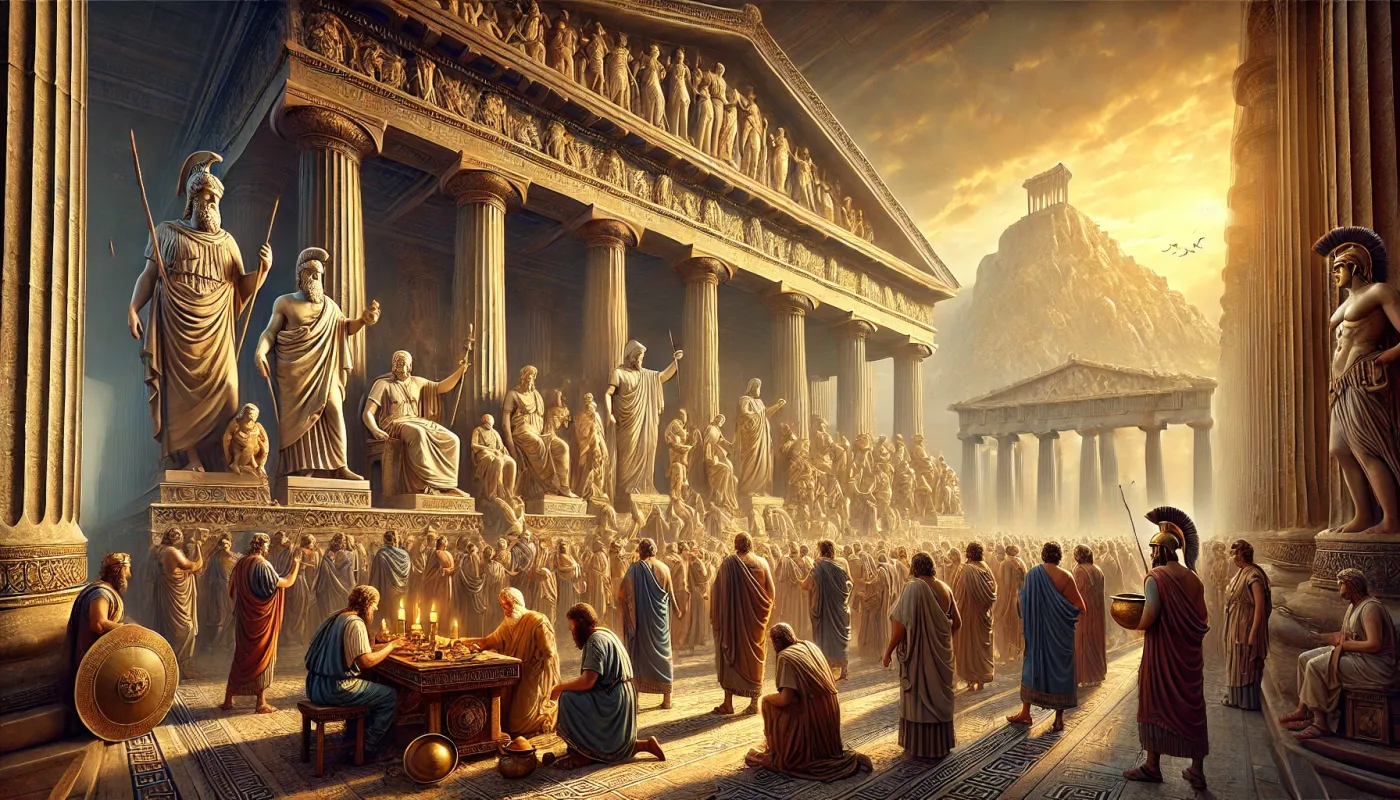
The Panathenaia: During the city's greatest festival, metics were given a role in the procession. They carried purple robes and trays of offerings, though they were kept separate from the citizen body to maintain the social distinction.
Foreign Cults: Metics were responsible for bringing "exotic" gods to Athens. Cults like those of Bendis (from Thrace) or Adonis were often established and funded by metic communities before gaining wider popularity.
6. The "Glass Ceiling" of Citizenship
The barrier between metic and citizen was almost impenetrable. In 451 BCE, Pericles passed a law stating that citizenship was only for those with two Athenian parents. This made the metic class a permanent "other."
Occasionally, a metic might be granted isotelia (equal taxation rights, exempting them from the metic tax) or, in extremely rare cases of military heroism, full citizenship. For the most part, however, they remained the "resident outsiders" who made Athenian life possible.