In the world of the ancient Greeks, Arete was the ultimate goal of human existence. While it is often translated simply as "excellence" or "virtue," its true meaning is far more expansive and competitive. Arete was the fulfillment of one’s potential—the act of being the very best version of oneself in whatever role one played in society.
For a hero, it meant courage in battle; for a runner, it was speed; for a knife, it was sharpness. If a thing fulfilled its purpose to the highest degree, it possessed Arete.
1. The Heroic Arete: Homer and the Battlefield
In the earliest Greek literature, such as the Iliad and the Odyssey, Arete was almost exclusively tied to military prowess and physical strength.
The Warrior's Code: A hero like Achilles or Hector achieved Arete by performing "great deeds" on the battlefield. It was a visible, public quality—you didn't just have Arete; you had to prove it in front of your peers.
Agon (The Struggle): Arete was forged through competition (agon). Whether in war or the Olympic Games, the Greeks believed that true excellence could only be revealed when someone was pushed to their absolute limit against an equal opponent.
2. The Evolution of Excellence: From Might to Mind
As Greek society moved from the "Age of Heroes" into the "Age of the City-State," the definition of Arete shifted to include intellectual and moral qualities.
Civic Arete: To be an excellent citizen, one needed more than just a strong arm. You needed sophrosyne (self-control), dikaiosyne (justice), and the ability to persuade others in the Agora through rhetoric.
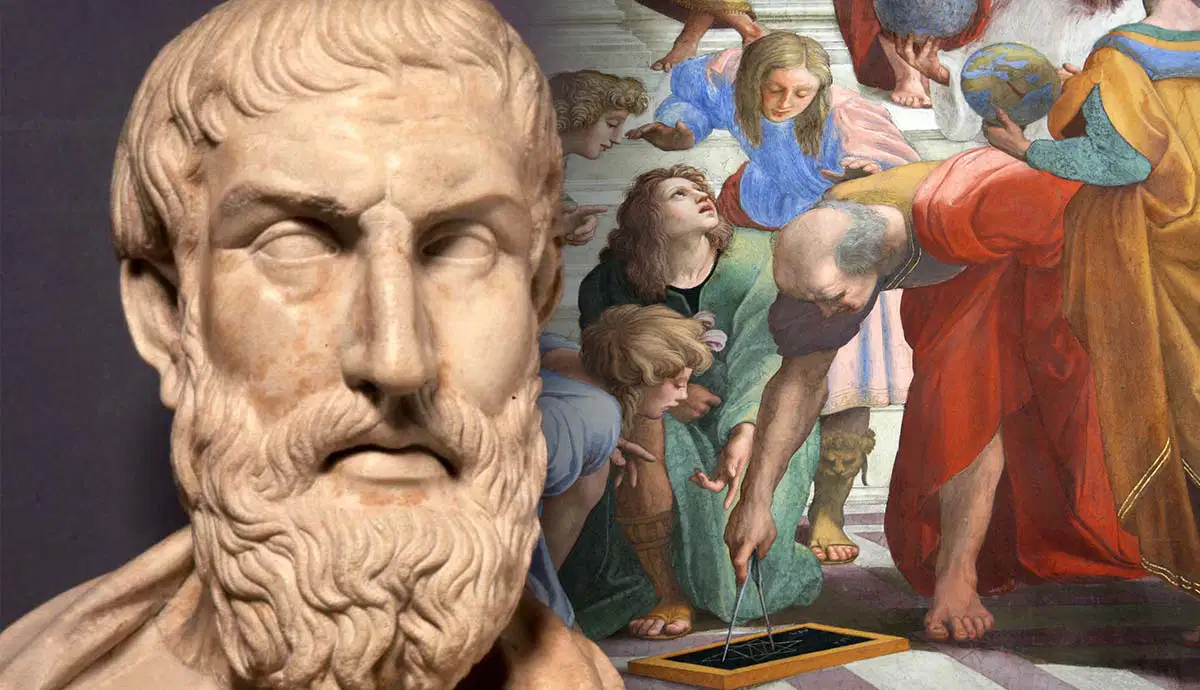
The Philosopher's View: Thinkers like Socrates and Plato argued that Arete was not about winning at all costs, but about the "health of the soul." They believed that excellence was a form of knowledge—if you truly understood what was "good," you would naturally act with Arete.
3. Paideia: The Education of Excellence
The Greeks believed that Arete was not just something you were born with; it could be taught. This process of total education was called Paideia.
The Balanced Man: The goal of Paideia was to create a man who was a "speaker of words and a doer of deeds."
The Curriculum of Arete: This required a balance of Gymnastike (physical training for the body) and Mousike (music, poetry, and philosophy for the mind). A man who was only a scholar was considered "soft," while a man who was only an athlete was considered "brutish."
4. Arete and the Gods
Arete was the bridge between the human and the divine. The Greeks believed the gods were the ultimate embodiments of perfection.
Divine Favor: When a mortal displayed incredible Arete—such as a runner winning a race by a hair’s breadth—it was believed that they had captured a "spark" of the divine.
The Penalty of Hubris: The pursuit of Arete came with a dangerous trap: Hubris (excessive pride). If a mortal began to believe their excellence made them equal to the gods, they would be struck down by Nemesis (divine retribution).
5. Gender and Arete
While the most famous examples of Arete are male-centric, the concept applied to women as well, though the criteria were different.
The Domestic Ideal: For a Greek woman, Arete was often defined by oikonomia (efficient management of the household), loyalty (like Penelope in the Odyssey), and the production of healthy citizen-sons.
Defying the Norm: Figures like the poet Sappho or the huntress Atalanta demonstrated that Arete could be achieved through artistic genius or physical feats that transcended traditional gender roles.
6. The Legacy of the Concept
The Greek obsession with Arete is the reason they gave the world the Olympics, the foundations of Western philosophy, and the first democratic laws. They weren't just trying to "get by"; they were trying to reach the pinnacle of what a human being could be.