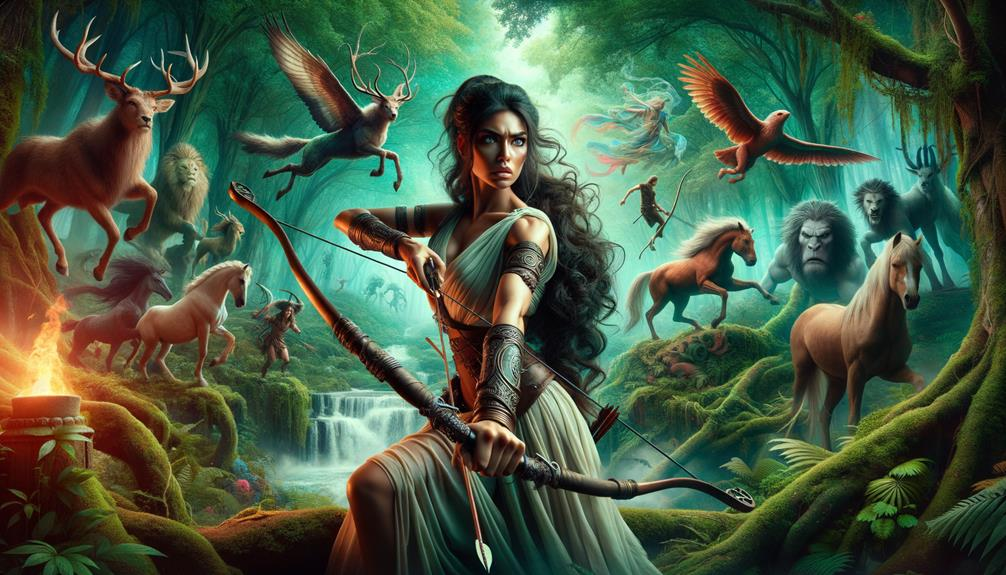
The story of Atalanta is one of the most compelling myths of Greek antiquity, featuring a heroine who defied the traditional gender roles of her time. Abandoned at birth and raised in the wilderness, she became a peerless huntress, a legendary runner, and a central figure in some of the most famous epic adventures of the Heroic Age.
1. The Abandonment and the Bear
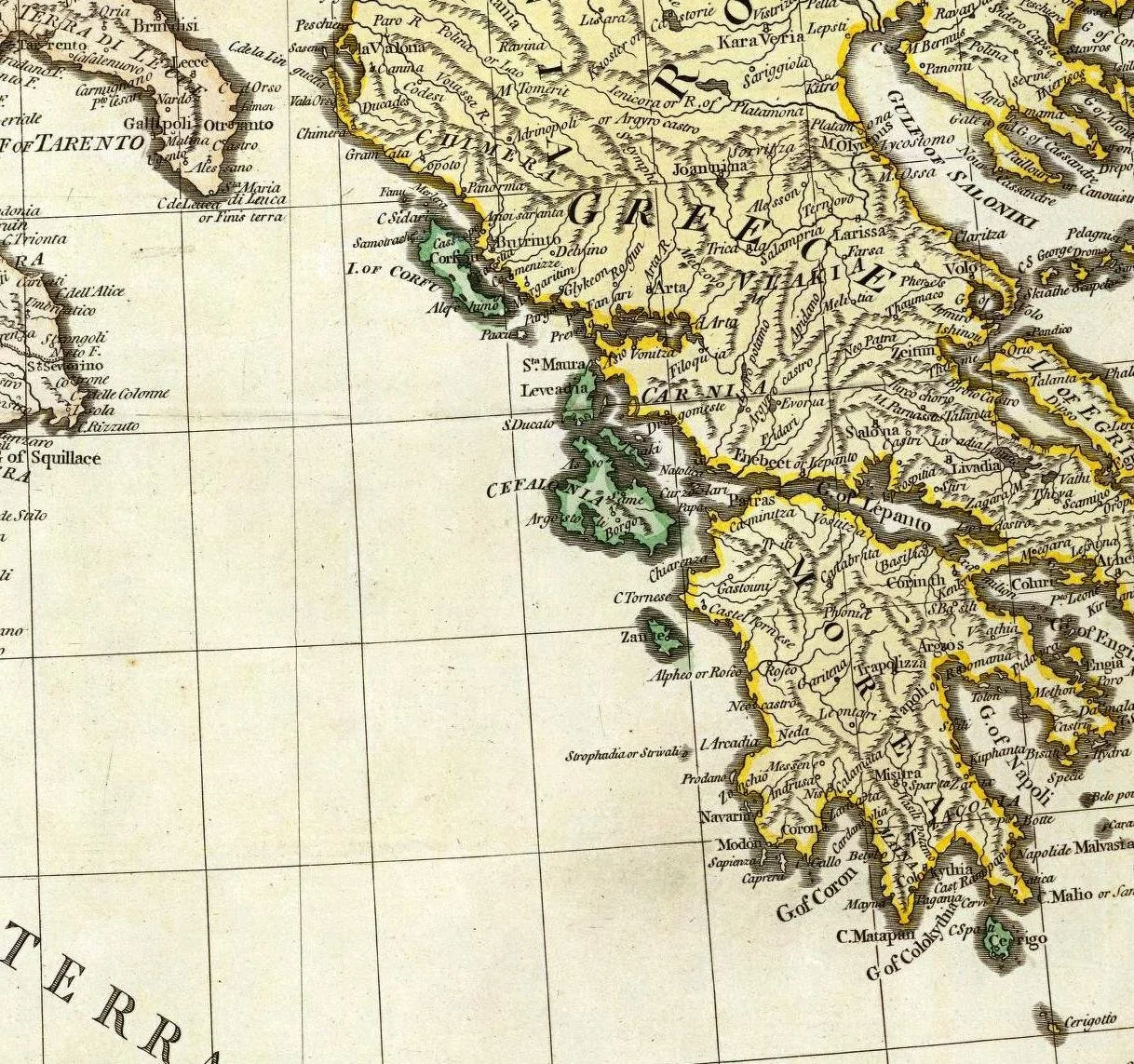
Atalanta’s life began with a rejection. Her father, King Iasus of Arcadia (some versions say Schoneus of Boeotia), desired only sons. When Atalanta was born, he ordered her to be exposed on Mount Parthenium to die.
Divine Intervention: Artemis, the goddess of the hunt, sent a she-bear to nurse the infant.
The Hunters: Eventually, a group of hunters found the girl and raised her. She grew up in the woods, developing superhuman speed, strength, and a fierce devotion to Artemis, taking a vow of perpetual virginity.
2. The Calydonian Boar Hunt
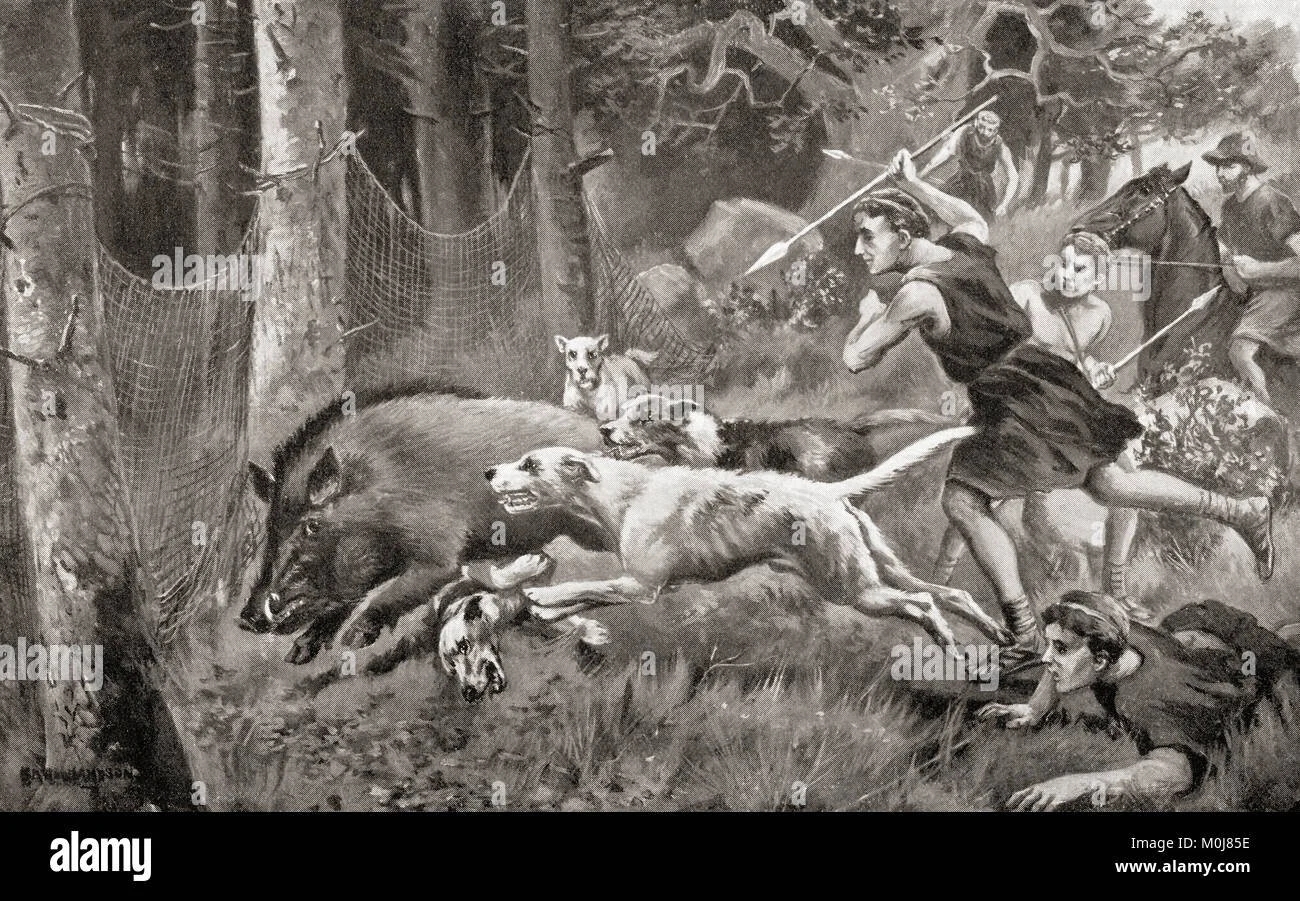
Atalanta’s most famous exploit was her participation in the Calydonian Boar Hunt. King Oeneus had forgotten to sacrifice to Artemis, who in retaliation sent a monstrous boar to ravage the countryside.
The First Blood: Many of the greatest heroes of Greece, including Castor, Pollux, and Jason, joined the hunt. While the men initially mocked the idea of a woman participating, it was Atalanta who drew the first blood with her bow.
Meleager’s Gift: The hero Meleager eventually dealt the killing blow. He awarded the hide and head of the boar to Atalanta, recognizing her vital role. This act of "favoritism" sparked a bloody feud among Meleager's uncles, leading to his tragic death.
3. The Footrace for a Husband
After the fame of the hunt, Atalanta was reunited with her father. He insisted she marry, but she agreed only on one impossible condition: any suitor must beat her in a footrace. If they lost, they would be executed.
The Challenger: Many died attempting the feat until a young man named Hippomenes (or Melanion) fell in love with her. Knowing he could never outrun her, he prayed to Aphrodite.
The Golden Apples: Aphrodite gave him three golden apples from the Garden of the Hesperides. During the race, whenever Atalanta began to pull ahead, Hippomenes would drop an apple.
The Distraction: Captivated by the beauty of the celestial fruit, Atalanta paused to retrieve each apple. This allowed Hippomenes to cross the finish line first, winning her hand.
4. The Metamorphosis
The tale ends with a transformation that reflects the wild nature of the couple.
The Sacrilege: In their passion, the couple supposedly desecrated a temple of Zeus (or Cybele) by using it as a bridal chamber.
The Lions: As punishment, they were transformed into lions. According to ancient Greek belief, lions could not mate with their own kind (only with leopards), thus permanently depriving them of each other's company while keeping them together as powerful beasts of the wilderness.
5. Symbolism and Legacy
Atalanta stands as a rare "Artemis-like" figure in mortal mythology. She represents the wild, untamed feminine that exists outside the boundaries of the Greek city-state (polis).
The Argonauts: In some versions of the myth, Atalanta is listed as the only female member of the Argonauts, though Jason allegedly tried to discourage her to avoid the "distraction" of a woman on board.
Athleticism: She is often depicted in art wearing a short tunic and wrestling or running, serving as a prototype for the female athlete in Western art.
Atalanta’s story is a reminder that even in a world dominated by male "demigods," the wilderness produced heroes of its own. She didn't just compete with the men of her era; she often outperformed them, leaving a legacy of speed and independence that still resonates.
Since Atalanta was so clearly devoted to her independence and her vow to Artemis, do you think she intentionally allowed herself to be distracted by the golden apples, or was the allure of a divine gift simply too powerful even for her legendary willpower?