In Greek culture, philotimia (φιλοτιμία) is not merely a word; it is a profound cultural value and a guiding principle of social behavior. Often described as the "love of honor," the concept weaves together personal dignity, duty, and pride in one's actions, family, and community.
1. Etymology and Core Meaning
The word is a compound of two ancient Greek roots:
Philo- (φίλος): Meaning "love" or "friend."
Timia (τιμή): Meaning "honor," "worth," or "respect."
Together, the term translates literally to the "love of honor." In ancient and modern Greece, it represents a deep-seated desire to act in a way that brings respect and honor not only to oneself but also to one's family and community. It is the internal compass that guides an individual to do the right thing, even when no one is watching.
2. The Pillars of Philotimia
Philotimia manifests through several distinct social and ethical behaviors that define a person's character in the Greek tradition:
Individual Dignity and Self-Respect: At its core, it is the refusal to accept shame or humiliation. An individual with philotimia maintains their integrity under pressure and takes immense pride in their good name.
Reciprocity and Hospitality (Philoxenia): Treating others with generosity and respect is a fundamental way to demonstrate honor. Welcoming strangers and caring for guests is deeply tied to one's personal and familial honor.
Familial Duty: The honor of the individual is inseparable from the honor of the family. Actions are continuously weighed against how they reflect on parents, siblings, and ancestors.
3. Historical Roots: From Antiquity to Modernity
The concept has deep roots that have evolved over millennia, surviving transitions from the ancient city-state to the modern era:
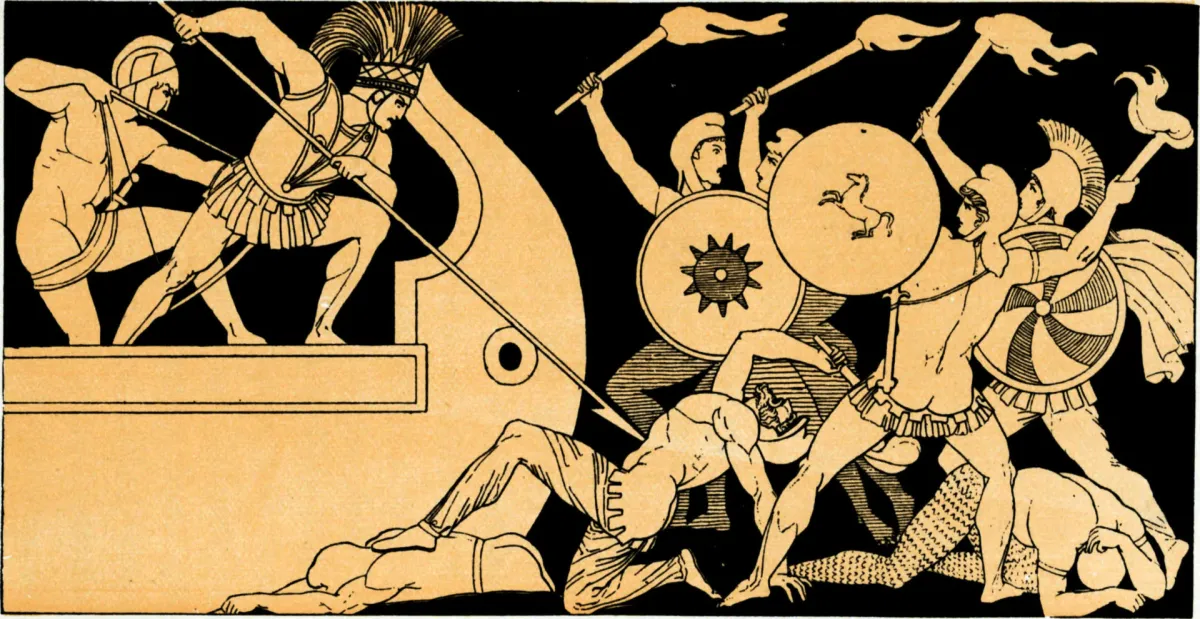
The Homeric Ideal: In the epics of Homer, the pursuit of kleos (glory and honor) was the ultimate goal of heroes. This early cultural focus on being acknowledged for one's excellence laid the groundwork for philotimia.
The Civic Duty in the Polis: In classical antiquity, participating in the civic, political, and military life of the community was a matter of honor, linking personal achievement with the good of the community.
Continuity in Modern Greece: Today, the concept remains a cornerstone of the modern Greek identity. It is frequently invoked to explain acts of selflessness, community solidarity, and resilience during difficult times.
4. Expressions in Daily Life
In daily interaction, philotimia acts as an unspoken social contract:
Saving Face and Respect: To insult someone's philotimia is a severe offense, as it attacks their core character and dignity.
Doing One's Best: In the workplace or in creative pursuits, possessing philotimia means taking pride in the quality of one's work rather than doing the bare minimum.
Volunteering and Altruism: Acts of charity or helping a neighbor in need are often driven by the intrinsic feeling that it is the honorable thing to do.