Ancient Greek Superstitions and Folklore
In ancient Greece, daily life was deeply intertwined with religion, myth, and superstition. While the Olympian gods ruled the cosmos, ordinary people navigated the hazards of everyday life—illness, travel, and natural phenomena—using a rich tapestry of folklore, protective magic, and omens.
1. Apotropaic Magic and the Evil Eye (Mati)
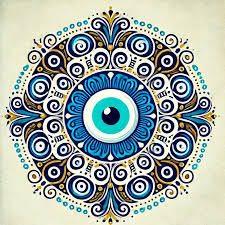
The Greeks believed that excessive praise or jealousy could bring misfortune, illness, or even death, a concept closely related to the modern mati (evil eye).
The Evil Eye: Known in antiquity as baskania, it was thought to be cast by a malicious glare. To protect themselves, individuals wore or carried amulets called apotropaic charms designed to deflect the negative energy.
The Gorgoneion: The image of Medusa's face, often placed on armor, shields, and doorways to ward off evil spirits and protect the home from harm.
Phallic Symbols: Carved phalli on house walls or boundary markers were considered potent protectors against malevolent forces and symbols of fertility.
2. Omens and Divination (Oionos)
The Greeks looked for signs from the gods in everyday occurrences to guide their actions and predict the future.
Flight of Birds: The practice of ornithomancy involved observing the flight patterns, direction, and calls of birds to determine the will of the gods before important journeys or battles.
Sneezing: A sudden sneeze was often considered a direct message from the gods, usually interpreted as a positive omen or a sign of divine agreement.
The Kledon: A form of divination where a person would listen to a random, overheard conversation or phrase, taking it as a prophetic message concerning their future.
3. Mythical Creatures and Rural Spirits
Folklore was populated by lesser deities and supernatural beings that explained the dangers of the wilderness or the mysteries of nature.
The Keres: Violent spirits of death and destruction who fed on the blood of the fallen on battlefields and hovered around those who were dying.
Empusa: A shape-shifting female demon sent by the goddess Hekate, often depicted as a beautiful woman who seduced young men before consuming them.
Nymphs: Nature spirits associated with specific places like springs, rivers, and trees. While generally benevolent, they could cause madness (nympholepsy) to those who disturbed their homes.
4. Purification and Taboos (Miasma)
The boundary between the sacred and the profane was strictly guarded by rituals meant to prevent spiritual pollution.
Miasma: A state of ritual impurity caused by bloodshed, contact with a corpse, or childbirth. This pollution had to be cleansed through katharsis (purification) rituals to avoid angering the gods.
Cursed Tablets (Tabellae Defixionum): Lead sheets inscribed with curses and buried in graves or sanctuaries, intended to call upon the underworld gods to harm rivals, enemies, or legal opponents.