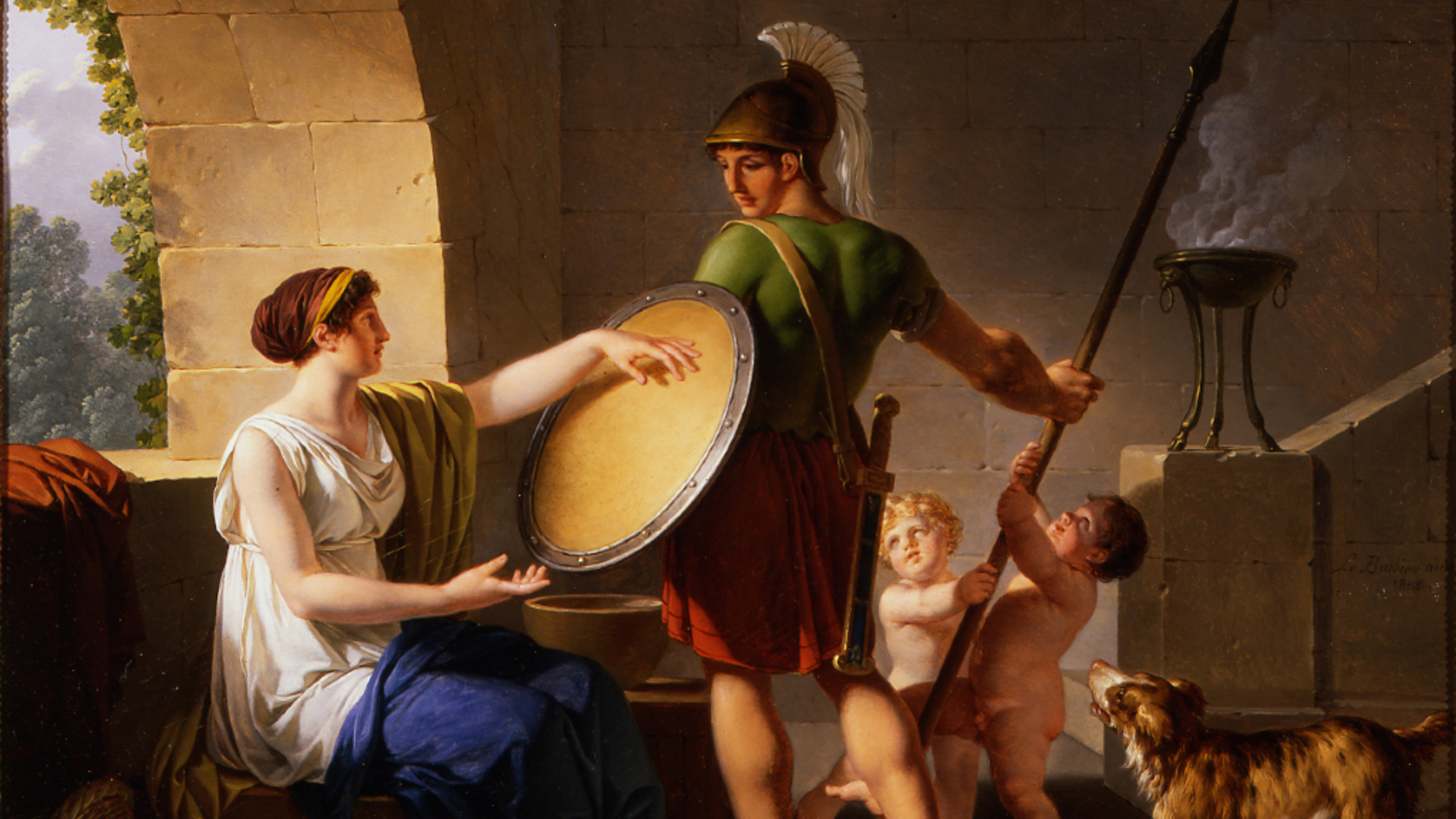
The Role of Women in Spartan Society
In ancient Greece, Spartan society stood out for its unique approach to the lives and roles of women. While women in many other city-states—most notably Athens—were secluded and had few legal rights, Spartan women enjoyed considerable freedom, physical education, and economic independence. The primary expectation placed upon them was the production of strong, healthy citizens to support the Spartan military state.
1. Physical Education and Training
The Spartans believed that strong mothers produced strong warriors. Consequently, female physical fitness was taken just as seriously as that of male citizens.
Athletic Competitions: Spartan girls participated in running, wrestling, javelin, and discus throwing. They competed in the Heraia and other regional games.
Public Exercise: Unlike women elsewhere in Greece who were expected to stay indoors, Spartan women exercised outdoors, often wearing simple, unrestrictive tunics (peplos) slit at the side.
Cultural Integration: Athletic training was designed to foster discipline, resilience, and a deep connection to the Spartan polis (city-state).
2. State Education and Culture
Spartan girls received a formal education mandated by the state, which was highly unusual for the time.
Literacy and Music: Along with their physical training, young women were educated in reading, writing, poetry, dance, and choral performance.
Cultural Role: Women played an essential part in religious festivals and civic celebrations, often performing dances and songs that celebrated the city's heroic values.
Poetic Expression: Many of the choral odes and traditional Spartan songs were composed and performed by women, reflecting their high status in community life.
3. Property Ownership and Wealth
Spartan women possessed significant economic power, primarily through the inheritance and ownership of land.
Inheritance Rights: Unlike Athenian women who could not own significant property, Spartan women could inherit land and estates. By the Classical and Hellenistic periods, women owned approximately one-third to two-fifths of all Spartan land.
Management of Estates: Because Spartan men were full-time soldiers living in military barracks until age thirty, the women were responsible for managing the agricultural estates and the helots (enslaved laborers) who worked the land.
Economic Independence: This control over wealth gave them a high degree of autonomy and decision-making authority within their households.
4. Marriage and Family Dynamics
Marriage in Sparta was designed to create strong offspring, resulting in customs that differed sharply from the rest of Greece.
Age of Marriage: Spartan women married at a more mature age (around 18 to 20 years old) compared to other Greek women, who often married in their early teens.
Equality in Relationships: Marriage was based on mutual respect and physical vitality. The bride was usually strong and healthy, creating a partnership of equals in running the oikos (household).
Temporary Separations: Because Spartan men were dedicated to military training and war, women held the primary responsibility for maintaining family life and raising young children, giving them a central role in domestic and civic administration.
5. Social and Political Influence
Although Spartan women could not vote in the citizen assembly or hold public office, their influence was strongly felt behind the scenes.
Informal Power: The prominent status and economic independence of Spartan women allowed them to voice opinions on politics, and male citizens often consulted them on civic matters.
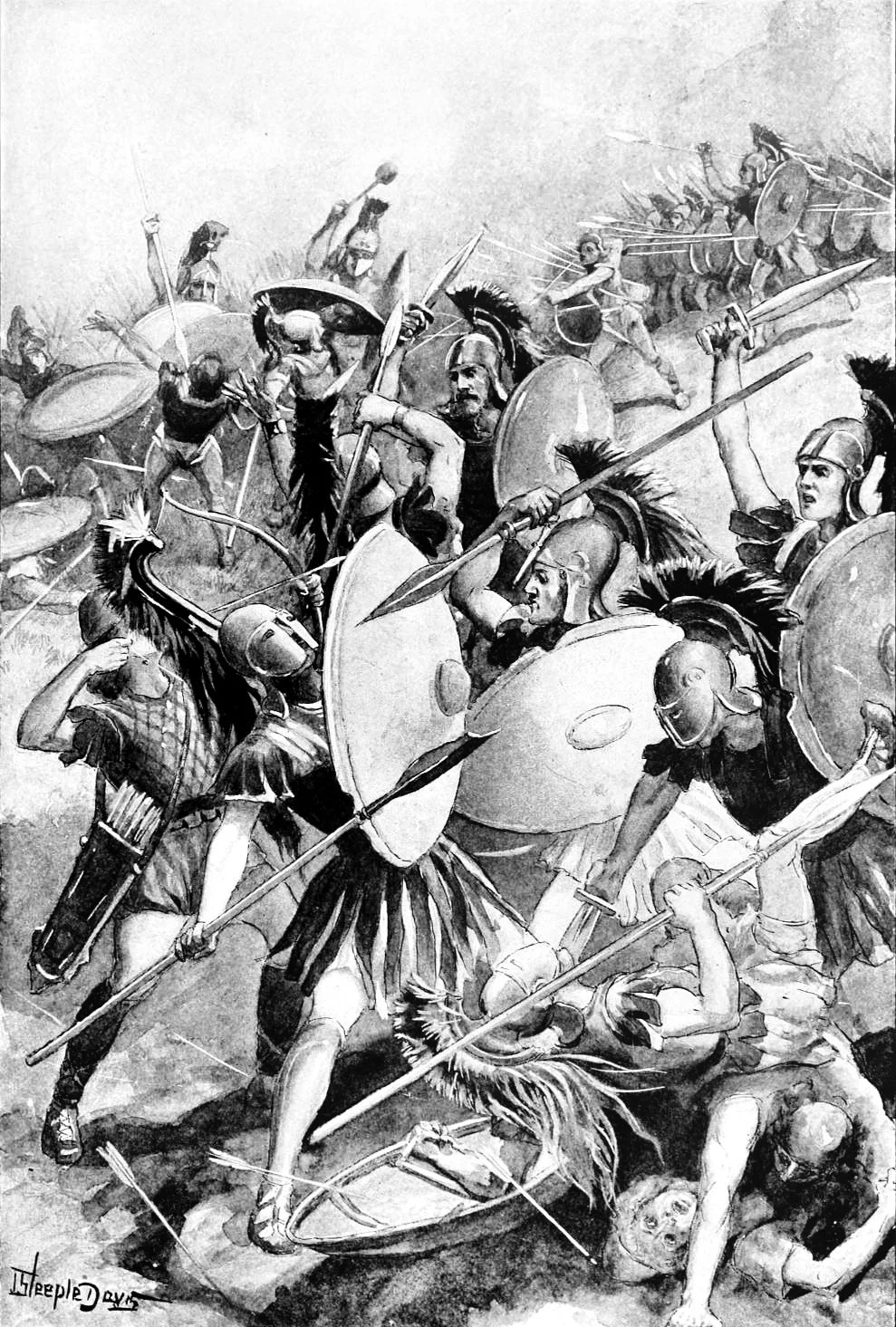
The Reputation of Spartan Mothers: Spartan women were famous for their sharp wit and patriotism. The famous saying attributed to Spartan mothers instructing their sons as they left for battle—"Return with your shield or on it"—highlights their strong civic duty and dedication to Spartan military honor.