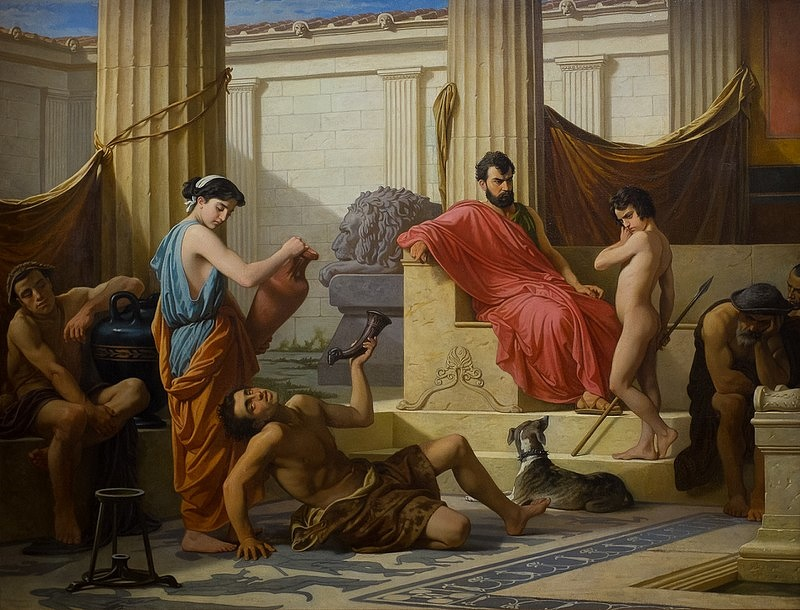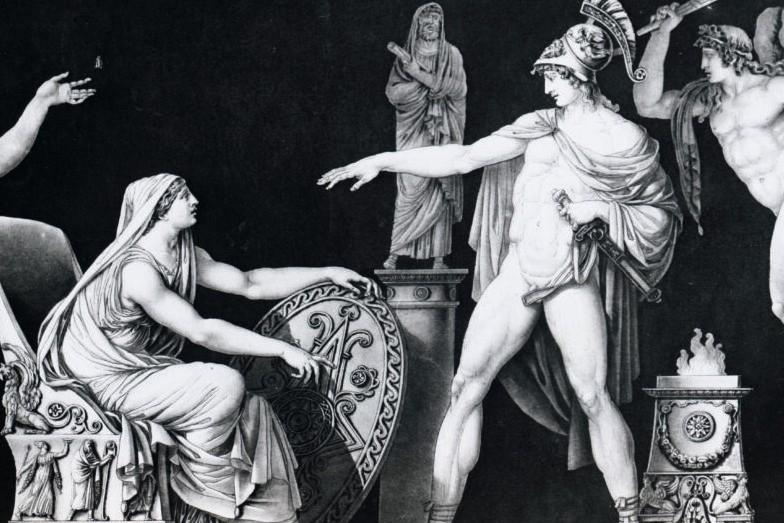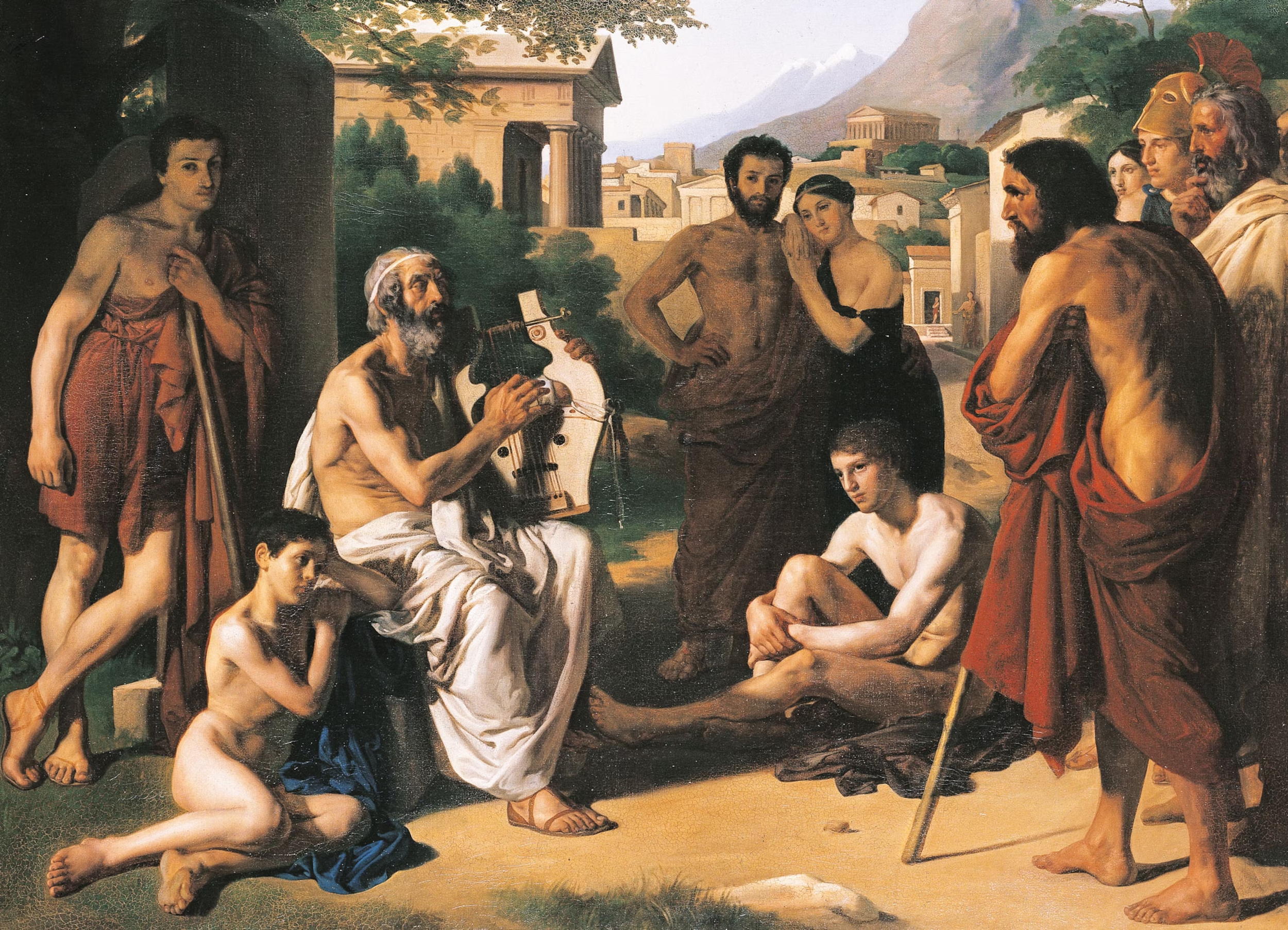
Ancient Greek education, known as Paideia, was designed to produce the "ideal citizen"—a man who was as capable in physical combat as he was in political debate. This holistic approach to developing both the body and the mind didn't just serve the city-state; it created the structural blueprint for Western education that persists to this day.
1. The Three Pillars of Paideia
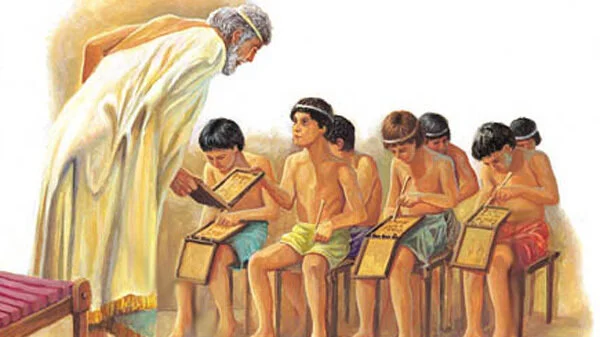
A Greek boy's education was typically split between three different specialists, ensuring a balance between intellectual, artistic, and physical excellence.
The Grammatistes: Taught reading, writing, and arithmetic. The "textbooks" were the works of Homer, which students memorized to learn both grammar and the moral code of the heroes.
The Kitharistes: Taught music and lyric poetry, specifically the lyre. Music was believed to have a "moralizing" effect on the soul, teaching self-discipline and harmony.
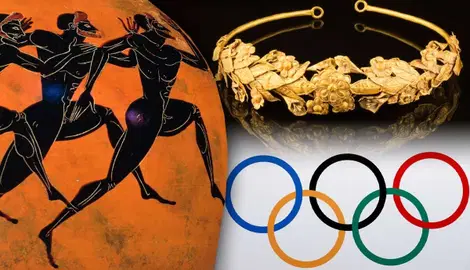
The Paidotribes: The physical trainer who oversaw exercises in the Gymnasion. This was essential for preparing boys for the rigors of hoplite warfare.
2. The Gymnasion: The First University
The Gymnasion began as a place for physical training but evolved into the world's first intellectual center. It was here that the "Old Style" of physical labor met the new world of abstract thought.
A Shared Space: Philosophers like Plato and Aristotle famously walked the colonnades of the gymnasia to discuss ethics and logic with young men between their wrestling matches.
Legacy: The very words we use today—"Gymnasium" and "Academy"—are direct inheritances from these Greek institutions where the "well-rounded" man was forged.
3. Socratic Method and Critical Thinking
Perhaps the most enduring gift of Greek education was the shift from rote memorization to active inquiry.
Dialectic: Instead of lecturing, teachers like Socrates used a series of questions to lead students to discover truths for themselves.
The Pursuit of "Arete": This method taught future generations that "excellence" (Arete) was something to be achieved through constant questioning of one's own assumptions and the laws of the state.
4. Education for the "Polis"
Education was fundamentally a civic duty. The goal was not personal wealth, but the ability to serve the community.
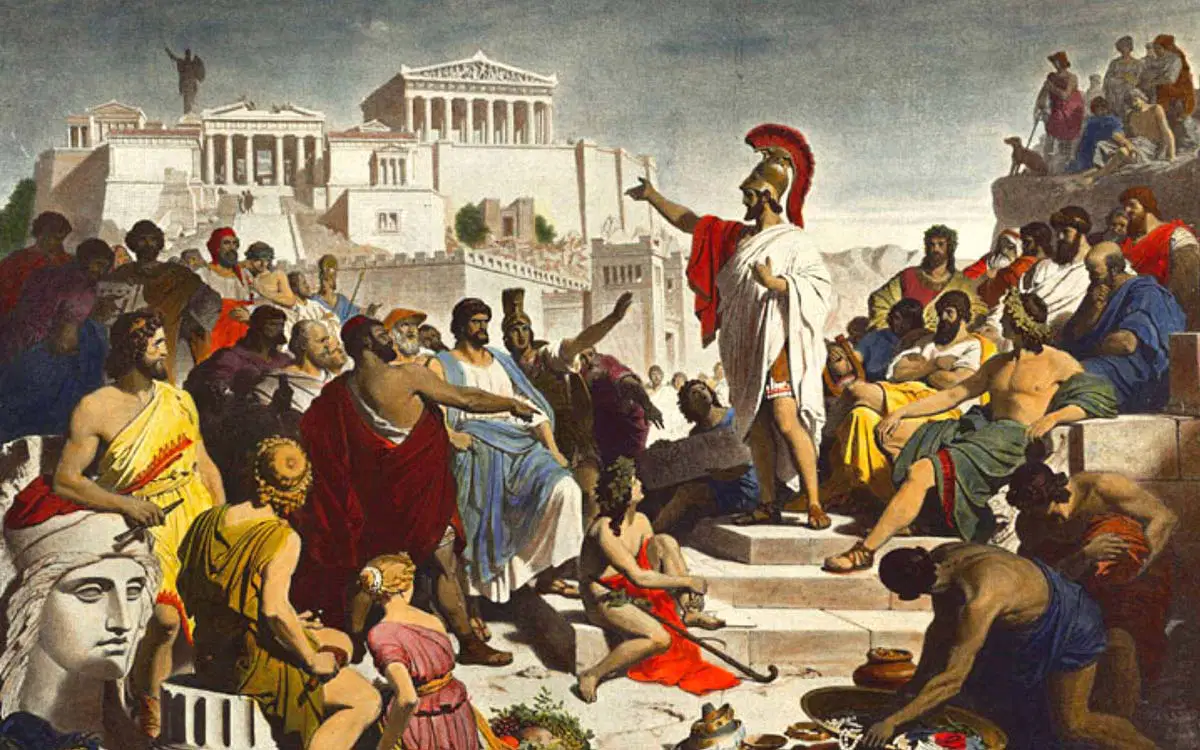
Rhetoric: As democracy flourished in Athens, the ability to speak persuasively in the Assembly became the most valuable skill. Education focused heavily on public speaking, logic, and the art of persuasion.
Civic Virtue: Students were taught that their primary identity was as a citizen of their city. This ingrained a sense of duty and "civic virtue" that influenced the Founding Fathers of many modern nations.
5. The Spartan "Agoge"
Sparta provided a starkly different model of education called the Agoge. This was a state-run military training program designed to produce "living walls" for the city.
Hardship as Teacher: From age seven, boys lived in barracks, were given minimal clothing, and were encouraged to steal food (but punished if caught) to develop stealth and resilience.
Group Identity: The Agoge emphasized the collective over the individual, creating a social hierarchy based on military performance and absolute obedience to the law.
6. Shaping the Western "Liberal Arts"
The Greek curriculum was eventually codified into what the Romans called the Artes Liberales (the arts of a free man).
The Quadrivium and Trivium: The Greek focus on grammar, logic, and rhetoric (the Trivium) and music, arithmetic, geometry, and astronomy (the Quadrivium) became the standard for European universities for over a thousand years.
Enduring Philosophy: By teaching students to value beauty, logic, and physical health in equal measure, Ancient Greek education established the ideal of the "Renaissance Man"—a person whose knowledge is as broad as it is deep.