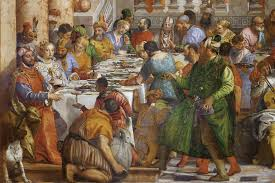
The banquet, or Symposium, was the cornerstone of aristocratic life in Ancient Greece. It was far more than a simple dinner party; it was a highly ritualized social institution where the nobility reinforced their status, forged political alliances, and engaged in the intellectual culture that defined the "ruling class."
1. The Setting: The Andron
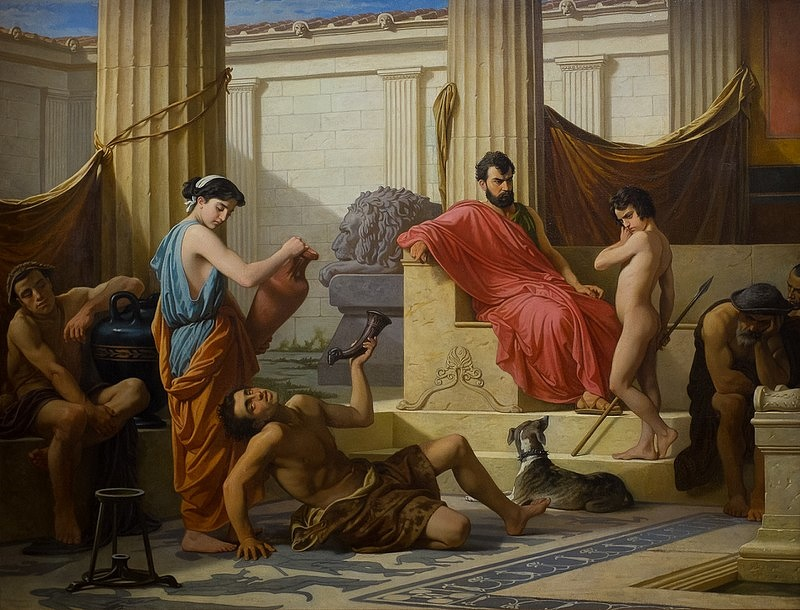
Banquets were held in a specialized room called the Andron, the "men’s quarters" of a private home. This room was designed specifically for entertaining, featuring a raised platform around the edges where guests would recline on luxurious couches (klinai). The layout was intentionally circular or square to allow every guest to see and hear one another, fostering a sense of elite equality among the participants.
2. The Ritual of Reclining
In the "Old Style" of Greek nobility, sitting at a table was for children or the lower classes. An aristocrat always reclined on his left elbow. This posture was a symbol of schole (leisure)—the idea that a nobleman was free from the physical labor required to stand or sit upright for work. It signaled to all present that the guests were members of the "leisure class."
3. The Symposiarch and the Wine
The banquet was divided into two parts: the meal (deipnon) and the drinking session (symposion). At the start of the drinking phase, a Symposiarch (Lord of the Gathering) was chosen by a roll of the dice.
The Mix: Greeks considered drinking undiluted wine a "barbarian" trait. The Symposiarch decided the ratio of water to wine in the Krater (mixing bowl), controlling the level of intoxication for the evening.
Libations: Before drinking, guests poured small amounts of wine onto the floor as an offering to the gods, usually Zeus or the "Good Spirit," grounding their social gathering in religious tradition.
4. Intellectual and Political Networking
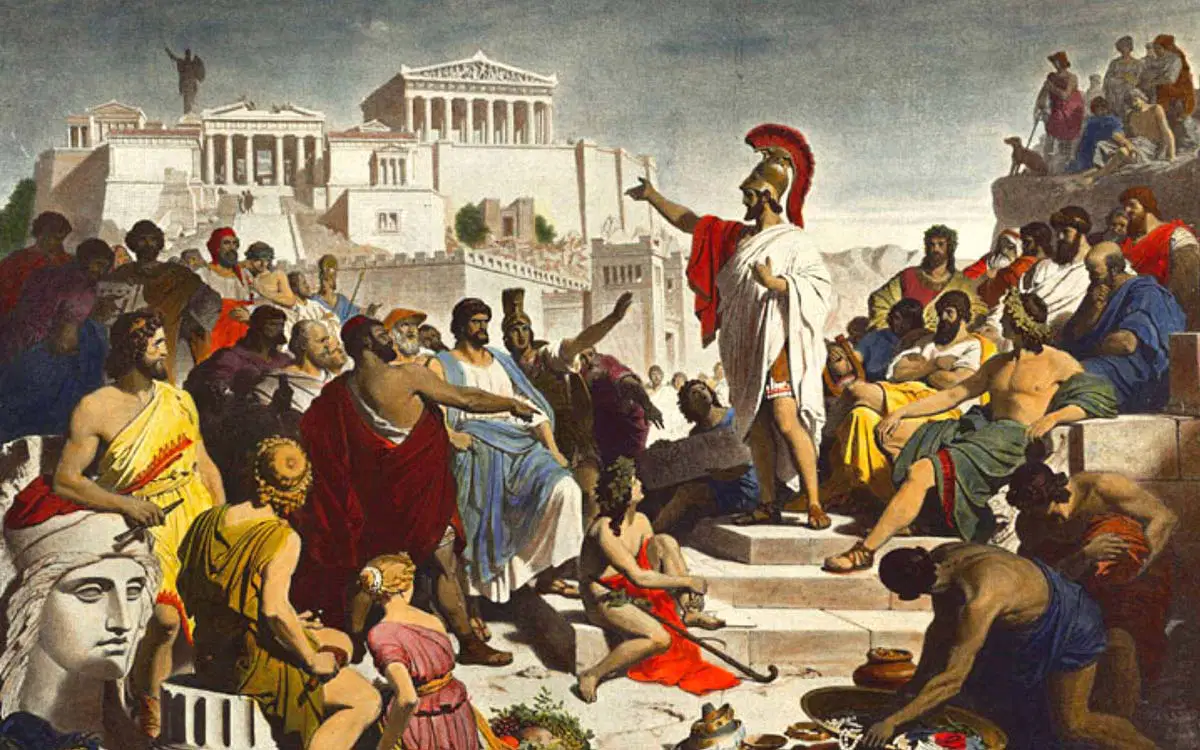
For the Greek nobility, the banquet was the primary venue for Hetaireia—political clubs or brotherhoods. Behind the closed doors of the Andron, noblemen made secret pacts, discussed city politics, and debated philosophy. Many of the most famous philosophical dialogues, such as those by Plato and Xenophon, are set within the framework of a symposium, highlighting its role as the birthplace of Western intellectual thought.
5. Entertainment: The Kottabos and Performers
A banquet was a sensory experience. Professional entertainment was hired to keep the mood elevated and the guests engaged.
Music and Dance: Auletrides (flute-girls), dancers, and acrobats provided a backdrop of performance art.
The Game of Kottabos: A popular aristocratic pastime involved flicking the dregs of wine from a cup at a target, usually a small bronze disc. It was a game of skill and coordination that provided a lighthearted break from intense political debate.
6. Display of Wealth and "Arete"
The banquet was the ultimate stage for the display of Arete (excellence) and wealth. From the quality of the imported wine to the craftsmanship of the silver drinking cups (kylix) and the sophistication of the poetry recited, every detail was meant to impress. By hosting a lavish banquet, a nobleman proved his success and reinforced his right to lead the polis, ensuring his influence extended far beyond the walls of his own home.