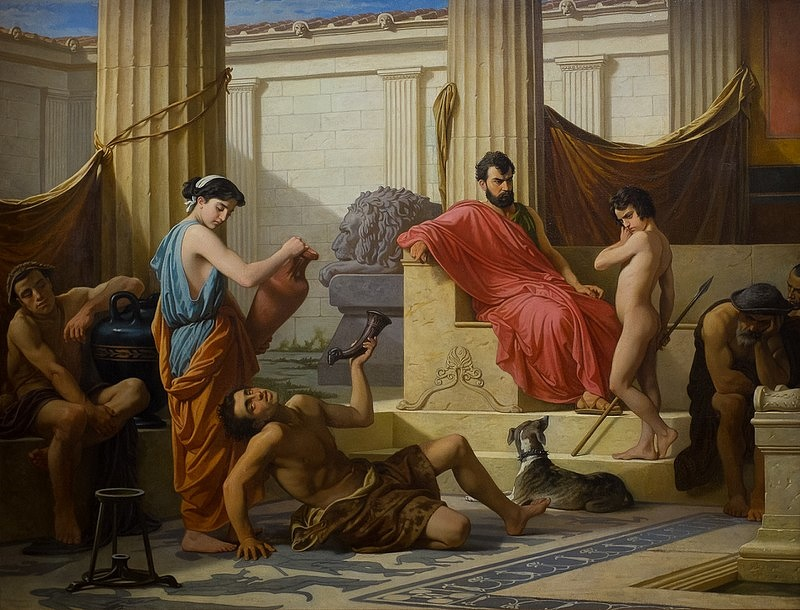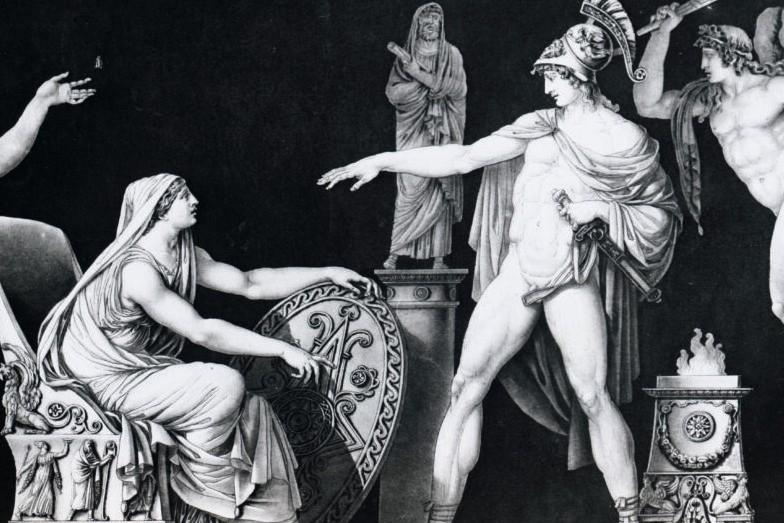
In the "Old Style" of the wealthy Greek Oikos (household), education was not a public service but a private luxury. For the aristocracy, the development of a young man’s character and intellect was entrusted to specialized tutors who lived within the home, creating a mentorship model that defined the elite for centuries.
1. The Paidagogos: The Constant Shadow
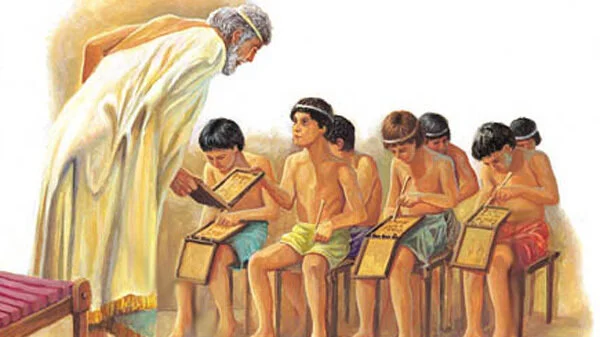
The most influential figure in a young boy's life was often the Paidagogos. Unlike a modern teacher, this person was usually a trusted, educated enslaved man whose primary role was moral supervision and physical protection.
The Escort: He walked the boy to school, carried his books and lyre, and sat in the classroom to ensure the student remained focused.
Moral Guardian: The Paidagogos was responsible for teaching manners, discipline, and etiquette. He had the authority to punish the child, acting as a "surrogate father" who ensured the boy upheld the family’s honor in public.
2. The Sophists: High-Stakes Higher Education
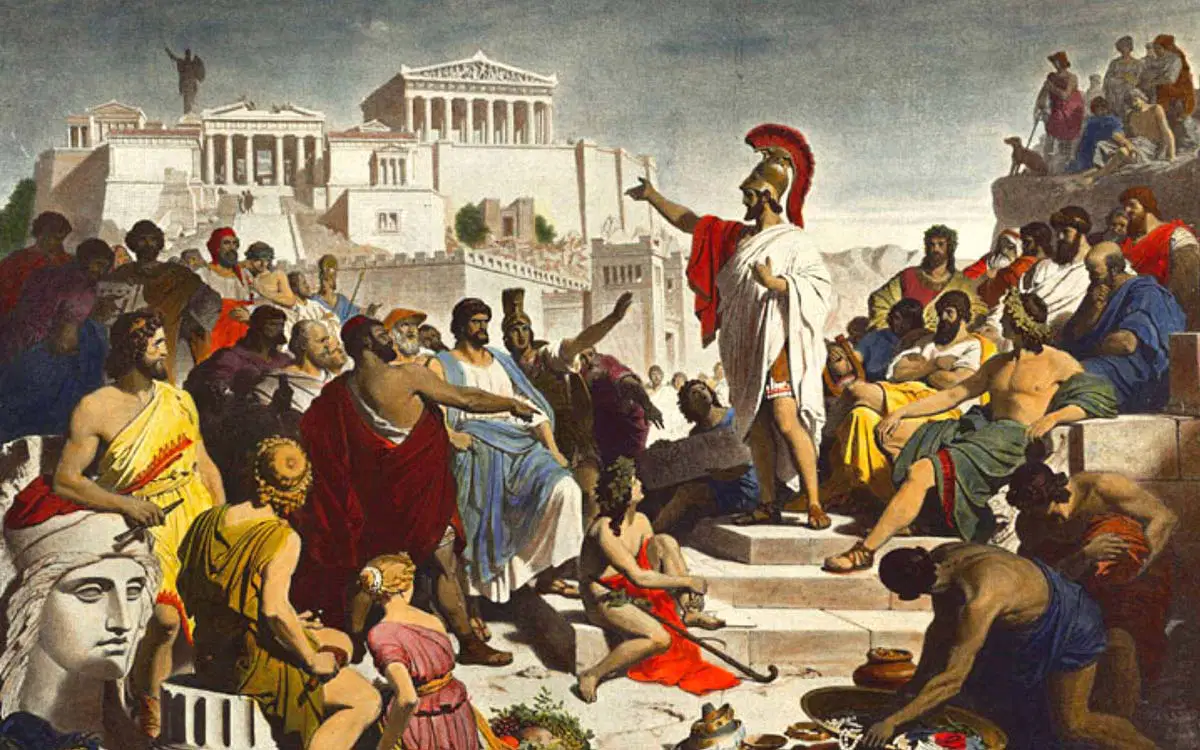
As a young man reached his teens, the focus shifted from basic literacy to the art of power. Wealthy families would hire Sophists—itinerant professional teachers who charged enormous fees.
The Power of Persuasion: Sophists specialized in Rhetoric, the art of public speaking. In a democracy like Athens, the ability to win a legal case or sway the Assembly was the ultimate tool for political survival.
Diverse Curriculum: They didn't just teach speaking; they provided "crash courses" in law, ethics, mathematics, and even military strategy, preparing the heir to take over the family’s political and economic interests.
3. The Philosopher-Mentor
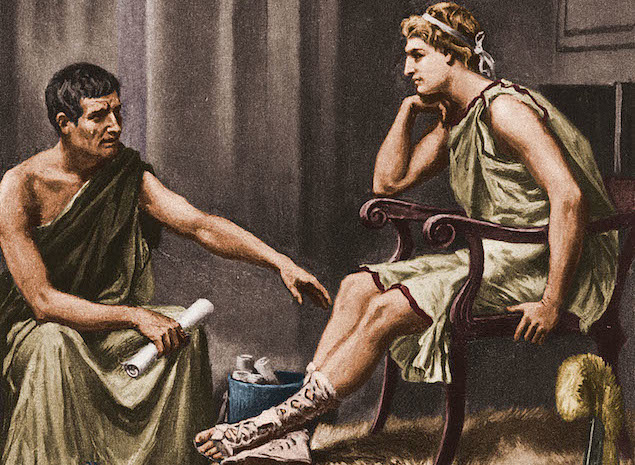
In the highest circles of nobility, education often took the form of a deep, long-term relationship with a philosopher. The most famous example is Aristotle’s tutelage of the young Alexander the Great.
Political Philosophy: These tutors taught "The Art of Kingship," focusing on ethics and the works of Homer to instill a sense of heroic destiny.
Scientific Inquiry: Many tutors introduced their pupils to the "New Style" of thinking—observation and biology—expanding the student's worldview far beyond the borders of the city-state.
4. Music and the Lyre
A specialized tutor, the Kitharistes, was often brought into the home to teach music. For the nobility, playing the lyre was a "liberal art" that distinguished a free man from a laborer.
Moral Harmony: The Greeks believed that different musical "modes" could affect a person's character. A tutor would select specific songs to instill courage or calmness, using music as a form of psychological conditioning.
5. Athletic Coaching in Private
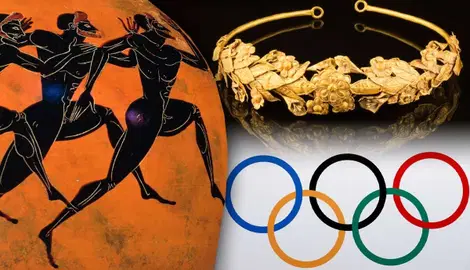
While most boys trained at the public gymnasium, the ultra-wealthy often employed private trainers to give their sons a competitive edge in the Panhellenic Games.
Specialized Training: These coaches focused on the "Heavy Events" (wrestling, boxing, and pankration) or chariot racing, which was the most expensive and prestigious of all aristocratic sports.
Diet and Discipline: These tutors acted as early nutritionists and physical therapists, overseeing every aspect of the youth's physical development to ensure he achieved Arete (physical excellence).
6. Legacy: The "Tutor" in the Western World
The Greek system of household tutoring created the blueprint for the "Gentleman’s Education" that persisted through the Roman Empire and into the European Renaissance.
Personalization: It established the idea that elite education should be highly personalized and focused on the individual’s future role as a leader.
Humanism: By emphasizing a mix of literature, music, and logic, Greek tutors helped preserve the "Liberal Arts" tradition, ensuring that the intellectual achievements of the "Old Style" were passed down to future generations of thinkers and rulers.