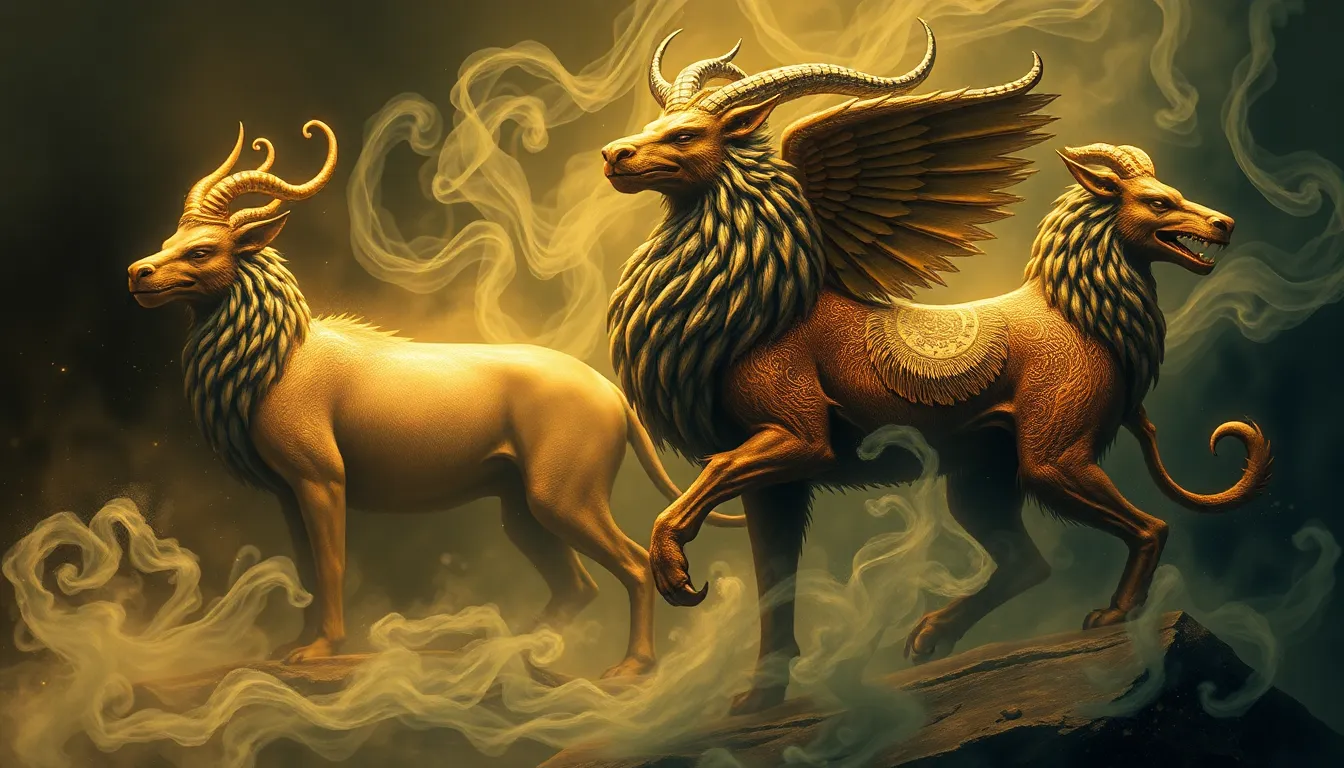
To an ancient Greek, the natural world didn't just contain animals; it was actively whispering through them.
When a hawk cut through the sky on a general's right side, it wasn't just hunting—it was Zeus signaling imminent military victory. When a dolphin leaped alongside a merchant ship, it wasn't a playful mammal; it was Apollo protecting the crew from a watery grave.
In Greek mythology, animals served as a vital visual and symbolic shorthand. They bridged the massive gap between abstract divine wills and everyday human comprehension, functioning as extensions of the gods, instruments of metamorphosis, and living emblems of cultural identity.
1. Zoomorphic Attributes: The Emblems of Power
The Olympian gods were fiercely anthropomorphic (human-shaped), a major departure from the animal-headed gods of ancient Egypt. However, they retained a deep, archaic connection to the animal kingdom. Every major deity kept a specific sacred animal companion that mirrored their psychological and cosmic dominion.
       [ DEITY ]                          [ SACRED ANIMAL ]                  [ SYMBOLIC MEANING ]
  Zeus (King of Sky)         ───────►     Eagle (Aquila)         ───────►    Supreme Authority / Vision
  Hera (Queen of Heaven)     ───────►     Peacock / Cuckoo       ───────►    Regal Majesty / Watchfulness
  Poseidon (Lord of Deep)    ───────►     Horse / Bull           ───────►    Untamed Power / Earthquakes
These associations were so hardwired into the Greek psyche that an animal alone could represent the deity in art, trade, and politics.
The city of Athens, for instance, placed the Owl of Athena on its silver coinage. The owl—a nocturnal predator capable of seeing through absolute darkness—became the ultimate symbol of Metis (shrewd, tactical intelligence), reinforcing Athens' self-image as the intellectual capital of the Mediterranean.
2. Metamorphosis: The Beast Within
In myth, the line between human, god, and animal was incredibly porous. Animal forms were frequently weaponized through metamorphosis to reveal or punish a character's core nature.
The Motivations for Transformation
Divine Subterfuge: Zeus famously used animal transformations as a cosmic camouflage to bypass mortal and divine guards. He turned into a majestic swan to approach Leda, a powerful bull to abduct Europa, and even an eagle to carry Ganymede to Mount Olympus. The animal form represented raw, unrestrained primal instinct overtaking human boundaries.
Karmic Retribution: When gods wanted to punish human arrogance (hubris), they often stripped away the offender's human shape, reducing them to an animal that reflected their crime. The hunter Actaeon accidentally saw the goddess Artemis bathing; she transformed him into a stag, causing his own hunting hounds to tear him to pieces. His internal identity as a hunter was tragically inverted into that of the hunted.
Divine Compassion: Sometimes, turning into an animal was the only way to escape horrific violence. When the terrifying monster Typhon attacked Olympus, the gods fled to Egypt and disguised themselves as animals (Aphrodite as a fish, Apollo as a crow) to survive.
3. Monsters of the Liminal Spaces: Composite Beasts
The Greeks were deeply invested in order, classification, and the boundaries of the polis (civilized city-state). To express the terrifying nature of the untamed wilderness, Greek myth populated the edges of the map with composite monsters—creatures sewn together from the most lethal parts of different animals.
[ THE CHIMERA ] ──► Lion's Body (Power) + Goat's Head (Chaos) + Serpent's Tail (Venom)
These hybrids represented a distortion of the natural order:
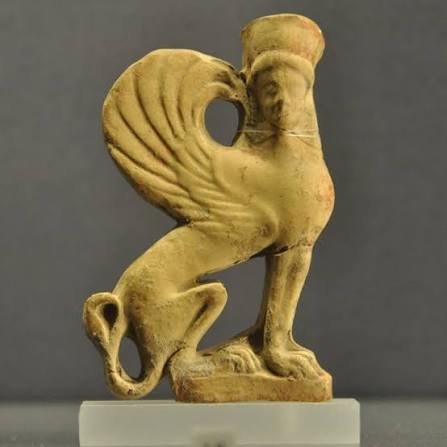
The Sphinx: Part woman, part lion, part eagle. She guarded the gates of Thebes, strangling those who could not answer her riddles, combining human intellect with apex predator lethality.
The Centaur: Half man, half horse. Except for Chiron the wise tutor, centaurs represented what happens when human reason is completely overwhelmed by wild, equine animal passions—best seen when they violently crashed a lapith wedding after drinking unwatered wine.
The Minotaur: A man with a bull’s head, trapped in a subterranean labyrinth. He was the living symbol of hidden, shameful unnatural lusts, demanding the sacrifice of civil Athens' youth to feed his monstrous appetite.
4. Animal Sacrifices: Tending the Divine Bonds
The symbolic weight of animals wasn't confined to stories told around the fire; it dictated the core economic and religious realities of the Greek world through sacrifice (thysia).
Animal Type Associated Deity Symbolic & Practical Context. The Bull Poseidon & Zeus The ultimate luxury sacrifice. Its immense muscular energy and loud roaring mirrored the thunder of Zeus and the seismic, crashing waves of Poseidon's oceans. The Goat Dionysus & Pan Associated with wild mountain landscapes, uninhibited sexual fertility, and the destruction of vineyards. It was the perfect sacrifice for the gods of wine and theater. The Pig Demeter Pigs were highly fertile and closely associated with the earth. During the Thesmophoria festival, piglets were sacrificed and cast into subterranean fissures to guarantee a rich grain harvest.
By categorizing, storytelling, and sacrificing through the animal kingdom, the ancient Greeks created a rich, multi-layered vocabulary. Animals allowed them to talk about their deepest psychological drives, their fears of the wild, and their awe of the cosmic forces ruling their lives.