Because ancient Greece sits directly on one of the most seismically active fault lines in the Mediterranean, earthquakes (seismoi) were a frequent, terrifying reality of Greek life. Entire cities were leveled, coastlines rewritten, and sanctuaries swallowed by the earth.
To make sense of these cataclysms, Greek thought underwent a dramatic evolution. They moved away from the mythological belief that earthquakes were the wrath of an angry god and birthed the world's first natural, scientific theories of seismology.
1. The Mythological Era: The Earth-Shaker
Before the rise of philosophy, the early Greeks understood earthquakes through the lens of theology. They attributed underground tremors entirely to Poseidon, whose oldest and most terrifying religious title was Ennosigaios—the "Earth-Shaker."
According to mythological tradition, Poseidon controlled not just the stormy seas, but the subterranean waters flowing beneath the crust of the earth. When angered by human hubris, broken oaths, or a lack of sacrifices, Poseidon would violently strike the ground with his massive trident. This blow would shatter the subterranean caverns, causing the earth above to ripple, crack, and collapse.
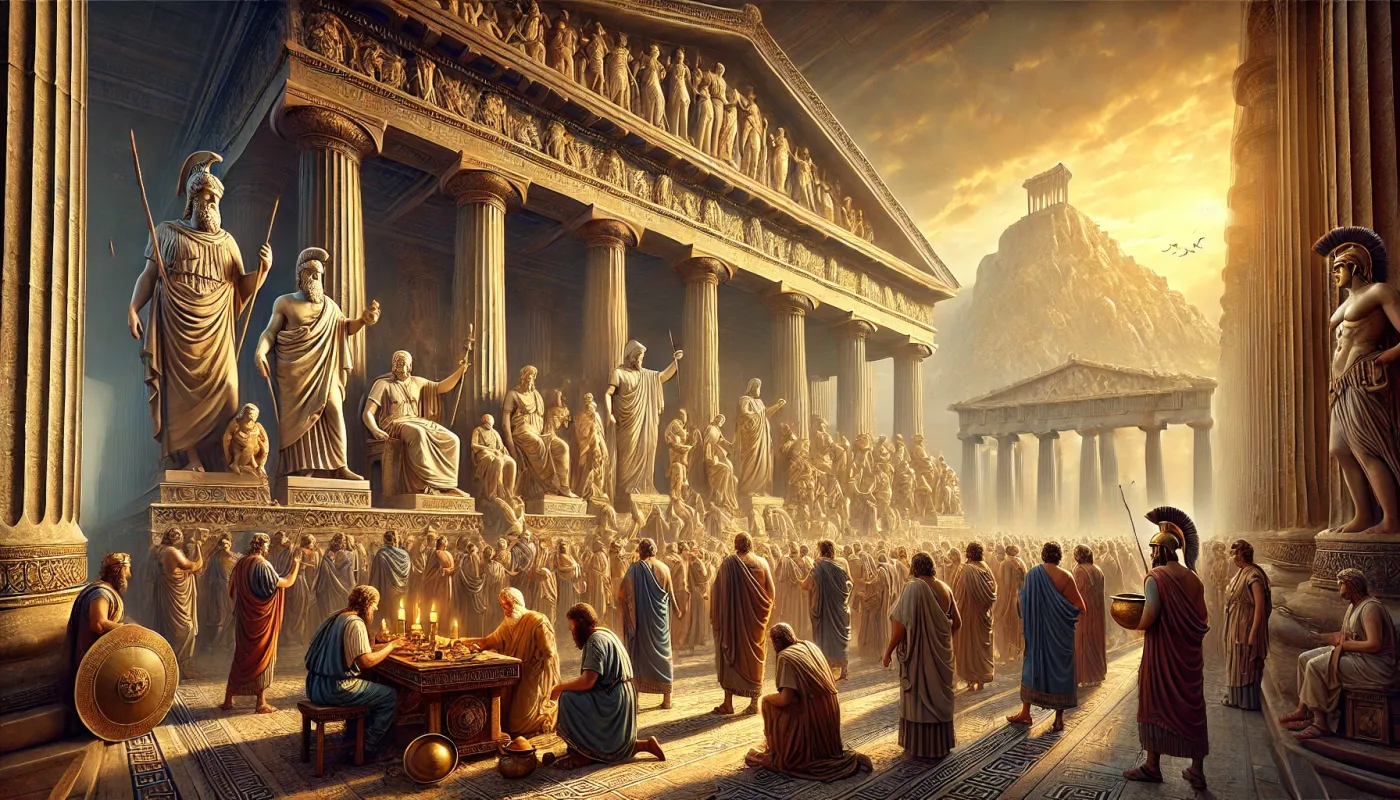
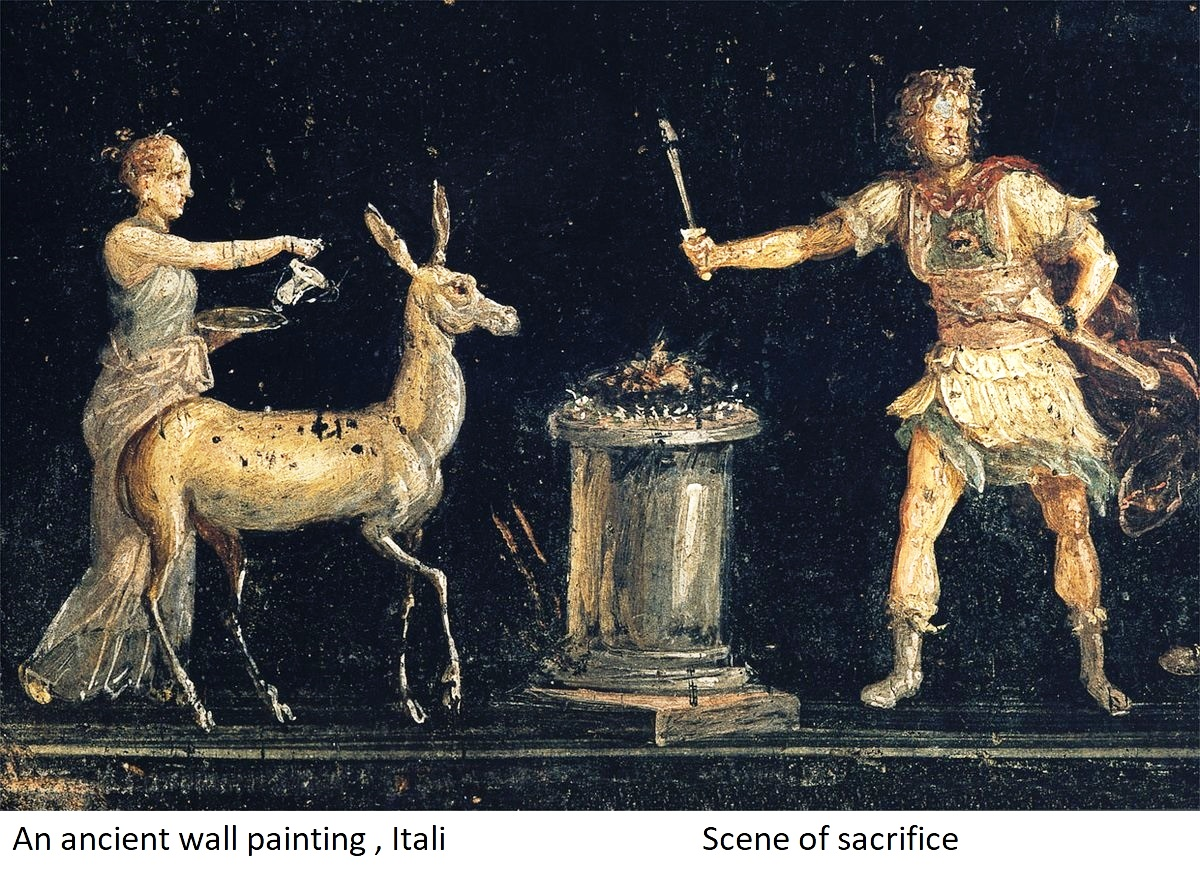
To appease him, cities built major sanctuaries to Poseidon Asphaleios (Poseidon the Securer), offering sacrifices in the desperate hope that he would hold the foundations of their cities steady.
2. The Pre-Socratic Shift: Naturalizing the Tremor
In the 6th century BCE, the Pre-Socratic philosophers of the Milesian School staged an intellectual revolution. They began looking for material, mechanical explanations for natural phenomena, effectively stripping Poseidon of his trident.
Thales of Miletus (c. 624–546 BCE): The Floating Earth
Thales, famously considered the first Greek philosopher, argued that the primary substance of the universe was water. He envisioned the Earth as a massive, flat wooden disc or log floating atop an infinite, cosmic ocean.
According to Thales, earthquakes were not caused by divine anger, but by rough seas. When the cosmic ocean experienced turbulent waves or subterranean currents, the floating disc of the Earth would rock, tilt, and shudder—much like a ship tossed around in a maritime storm.
Anaximenes (c. 586–526 BCE): The Collapsing Caverns
Anaximenes moved away from water, proposing that earthquakes were caused by a combination of extreme dryness and excessive moisture. He argued that during massive droughts, the internal clay and stone of the earth would dry out, crack, and develop massive hollow caverns.
When heavy seasonal rains subsequently saturated the ground, these dried-out subterranean ceilings would become heavy, waterlogged, and structurally unstable. The ceilings of these massive caves would cave in, and the kinetic impact of thousands of tons of rock crashing into the subterranean voids would send violent shockwaves rippling up to the surface.
3. Aristotle’s Meteorologica: The Pneumatic Theory
The absolute apex of ancient seismology arrived with Aristotle (384–322 BCE). In his treatise Meteorologica, Aristotle synthesized earlier ideas to create a comprehensive, highly influential scientific theory of earthquakes that would dominate European and Islamic thought for the next fifteen hundred years: the Pneumatic Theory.
The Breath of the Earth
Aristotle argued that the primary engine behind both weather and earthquakes was Pneuma (a hot, dry, vaporous wind or exhalation). He believed that the sun's heat constantly baked the Earth's surface, causing dry vapors to be pulled upward into the atmosphere to create wind, while also forcing air deep into the porous crust of the planet.
According to Aristotle, an earthquake occurs through a precise sequence of natural events:
The Trapped Wind: Massive quantities of dry pneuma become trapped inside the complex, interconnected labyrinth of subterranean caves beneath the Earth's surface.
The Pressure Build-Up: As the sun continues to heat the exterior, more air is forced underground, compressing the trapped pneuma and causing it to seek a violent exit.
The Seismic Eruption: If the subterranean passages are blocked or narrow, the trapped wind begins to surge frantically against the stone walls of the caverns. Just as trapped wind inside the human body causes spasms and cramps, the surging pneuma causes the Earth to shudder, shake, and fracture until it finally breaks through to the surface.
Classifying the Tremors
Aristotle was a meticulous observer and categorized earthquakes based on the specific direction of the shockwaves, creating the world's first seismic classification system:
The Tremblers (Seismatias): Horizontal, side-to-side earthquakes that caused buildings to sway and ripple along the landscape.
The Pulsers (Palmatias): Vertical, up-and-down thrusting earthquakes that violently jarred the ground, causing catastrophic structural collapses.
4. The Human Impact: The Catastrophe of Helike
The limits of Greek earthquake understanding were put to a tragic test in 373 BCE, during the infamous destruction of Helike. Located on the Gulf of Corinth, Helike was a wealthy, powerful city-state and the undisputed center of the Achaean League.
During a winter night in 373 BCE, a massive earthquake struck the region, followed immediately by a catastrophic tsunamic surge from the gulf. Within hours, the entire city of Helike completely vanished beneath the sea, drowning all of its inhabitants.
The Greek historian Polybius and later geographers like Strabo noted that when contemporary philosophers looked at the ruins of Helike, they were fascinated by the dual nature of the disaster. They realized that the violent pneuma escaping from the earth had not only shaken the land but had simultaneously displaced the seabed, pushing a massive wall of water inland.
The site became a haunting, real-world laboratory where later thinkers traveled to study submerged classical ruins through the clear coastal waters, using the tragedy to refine their mechanical models of tectonic and maritime interaction.
5. Summary of Greek Seismic Perspectives
The Mythological View (Homer/Hesiod): An intentional, supernatural act of divine retribution executed by Poseidon striking the earth with his trident.
The Hydrological View (Thales): A mechanical rocking caused by the Earth disc tilting atop a turbulent, cosmic ocean.
The Structural View (Anaximenes): Internal geological collapses triggered by the structural failure of massive subterranean cave ceilings during cycles of drought and rain.
The Pneumatic View (Aristotle): High-pressure explosions of hot, dry compressed wind (pneuma) fighting to escape from the Earth's internal cavern networks.
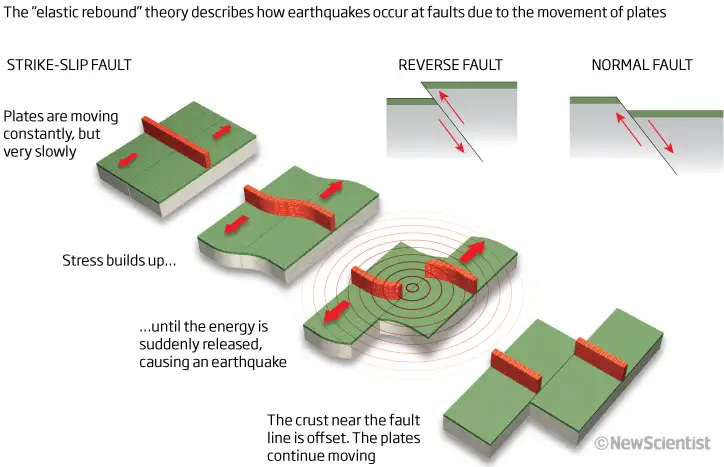
While the ancient Greeks lacked seismographs, plate tectonic theory, and an understanding of fault lines, their study of earthquakes represents a monumental milestone in the history of science. By courageously choosing to look at the ground beneath their feet as a dynamic, physical system governed by heat, air, and pressure rather than the unpredictable whims of gods, they laid the foundational methodology of empirical observation and natural cause-and-effect that defines modern geology today.