The myth of Baucis and Philemon stands in stark contrast to most Greek tales of divine interaction, which often involve tragedy, wrath, or destruction. It is a story of profound humility, hospitality (xenia), and a love so enduring that it transcends mortality.
I. The Divine Inspection
The story, most famously recounted by the Roman poet Ovid in his Metamorphoses, begins with Zeus (Jupiter) and Hermes (Mercury) descending to earth in human disguise. They wished to test the piety of the local people in the Phrygian countryside.
The Rejection: The gods visited a thousand homes, asking for shelter and food. They were turned away from every door, treated with suspicion or outright hostility.
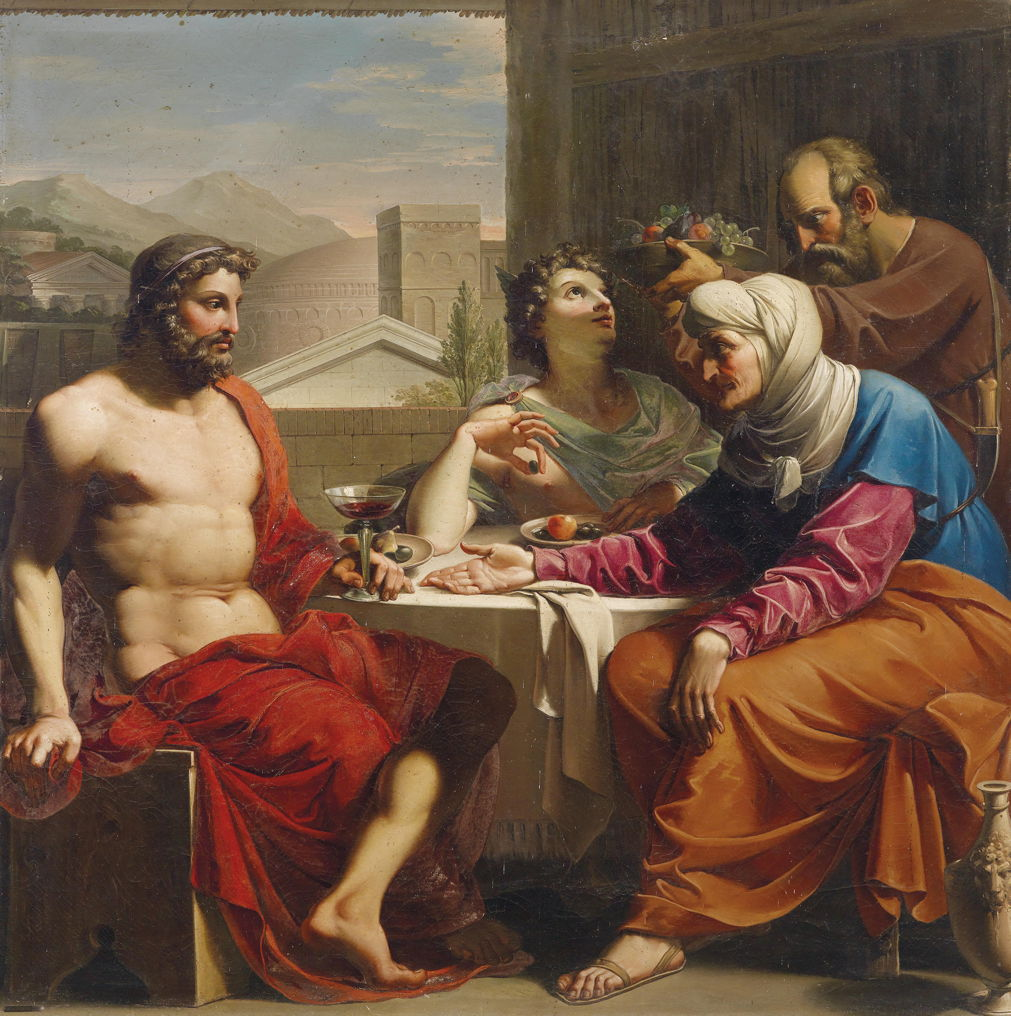
The Humble Welcome: Finally, they arrived at a tiny, thatched-roof cottage inhabited by an elderly, impoverished couple: Baucis and Philemon. Despite having almost nothing, the couple welcomed the disguised travelers with warmth, offering them the best of their modest provisions and treating them with genuine care.
II. The Miraculous Discovery
As the meal progressed, the couple noticed something impossible: no matter how much wine they poured from their pitcher, it remained perpetually full. They realized their guests were not mortals, but gods.
Terrified and awestruck, the couple attempted to catch their only goose—the guardian of their humble home—to cook as a sacrifice for their guests. The bird proved too quick and sought refuge in the laps of the gods, who stopped the couple, telling them they did not need to slaughter their companion.
III. The Divine Reward and Punishment
The gods revealed their true identities and, angered by the cruelty of the surrounding village, took Baucis and Philemon to the top of a nearby mountain. From there, the couple watched as the gods unleashed a flood that swallowed the entire inhospitable village, leaving only their small, welcoming cottage behind.
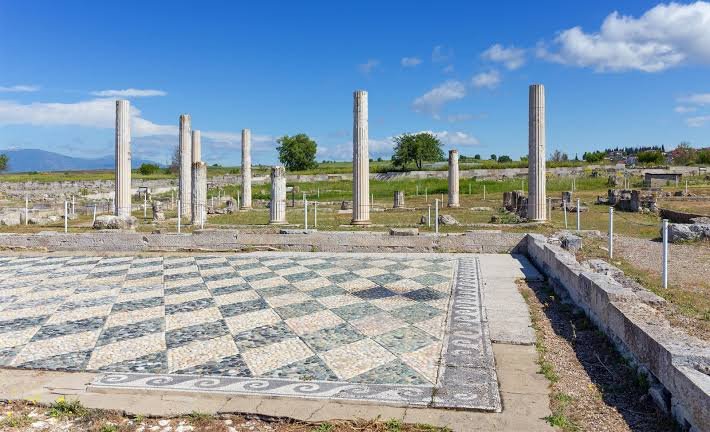
The Transformation: The gods transformed the modest cottage into a magnificent temple, with marble columns and golden appointments.
The Wish: Zeus granted the couple one wish. Philemon whispered to his wife, and they asked to serve the gods as priests in the temple for the rest of their days and to die at the exact same moment so that neither would have to suffer the grief of losing the other.
IV. The Final Metamorphosis
True to the promise, the gods granted their request. Many years later, as the couple stood at the steps of the temple, they began to change. Their skin turned to bark and their feet took root in the earth. As they whispered their final goodbyes—"Farewell, my dear"—they became two trees growing from a single trunk: an oak and a linden.
The myth is a powerful cultural endorsement of xenia—the ancient Greek and Roman code of hospitality, which mandated that strangers and guests be treated with kindness, as they might be gods in disguise. It remains one of the most poignant depictions of the "ideal" marriage in classical literature, representing a bond that survives even the transformation of human existence.