How the Greeks Built Their War Chariots
Introduction
In Ancient Greece, war chariots were not as dominant as they were in earlier Near Eastern civilizations, but they still appeared in early Greek warfare—especially during the Mycenaean period and in ceremonial or elite military contexts. By the Classical period, chariots were mostly symbolic, but their construction reflected advanced craftsmanship and engineering knowledge.
Early Greek Chariots (Mycenaean Roots)
The earliest Greek chariots come from the Mycenaean civilization (c. 1600–1100 BCE).
These chariots were used for:
Elite warfare
Transport of nobles in battle
Battlefield mobility in flat terrain
They were influenced by Egyptian and Near Eastern designs.
Basic Structure of a Greek War Chariot
A typical Greek chariot consisted of:
1. Frame
Lightweight wooden structure (usually oak or ash)
Designed for speed and balance
Reinforced with leather or bronze fittings
2. Wheels
Two large wheels with wooden spokes
Rim reinforced with metal for durability
Designed to reduce weight and increase speed
3. Platform
Open standing area for one or two warriors
Often very small to reduce weight
4. Yoke and Harness
Attached to two horses
Leather straps distributed pulling force evenly
Carefully adjusted for control and speed
Materials and Craftsmanship
Greek chariot builders used:
Wood (ash, oak, or pine for lightness and strength)
Leather (for bindings and reinforcement)
Bronze or iron (for fittings and axle components)
Linen or rope (for additional support structures)
Construction required skilled carpenters and metalworkers.
How Horses Were Harnessed
Chariots were pulled by two horses:
Horses were trained for synchronized movement
Leather harnesses attached to a central yoke
Reins controlled by the driver
Balance was critical to prevent tipping
Proper training was as important as construction.
Weapons and Combat Use
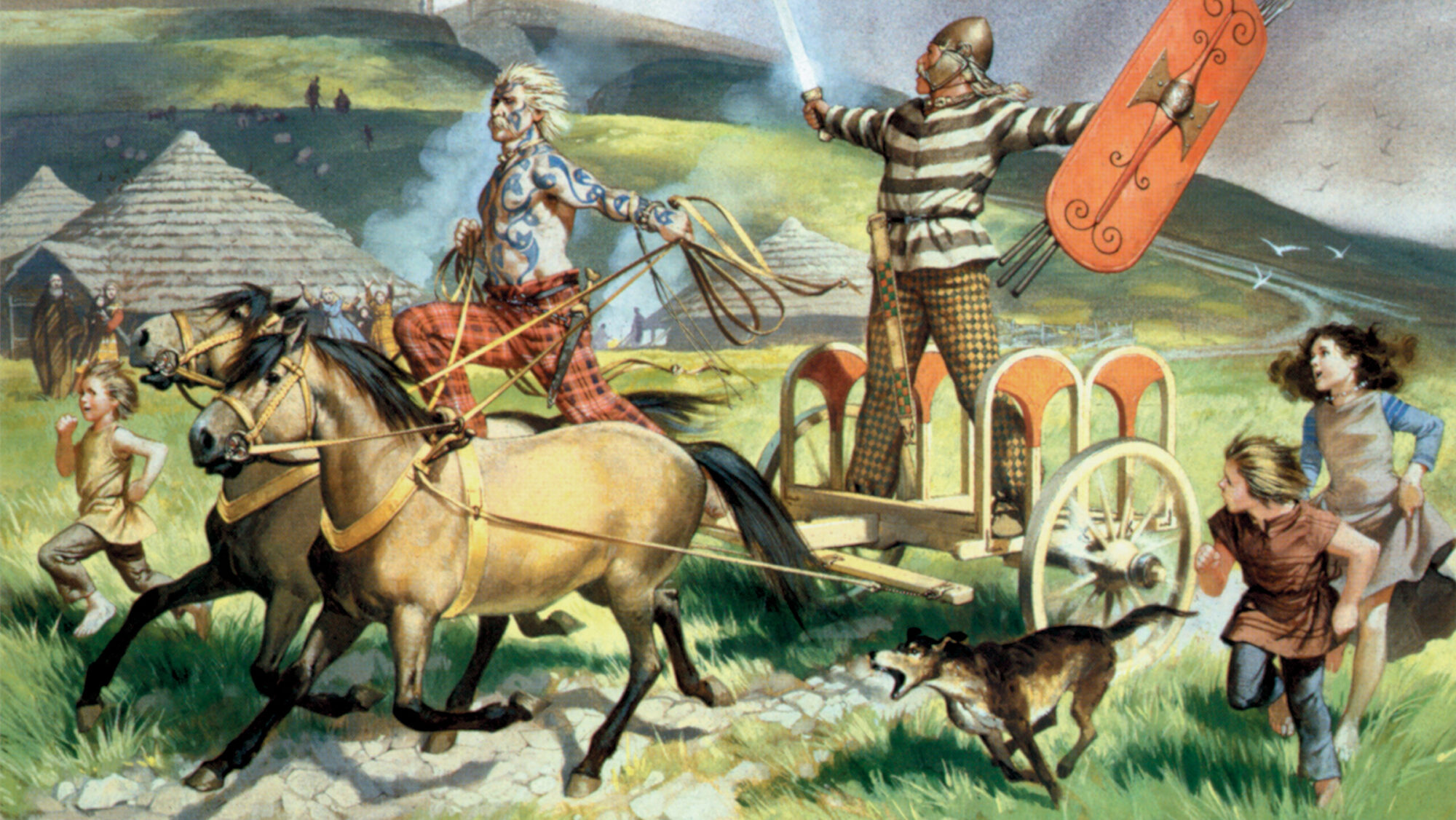
When used in warfare, chariots typically carried:
A driver (charioteer)
A warrior or archer
Spears or javelins
Occasionally bows for ranged attacks
However, chariots were more effective for transport and shock movement than close combat in Greek terrain.
Why Chariots Declined in Greece
By the Classical period, chariots became less practical due to:
Rough and mountainous Greek terrain
Development of the hoplite phalanx
Rise of infantry-based warfare
Cost and maintenance requirements
Instead, chariots became symbols of status or ceremonial use.
Ceremonial and Sporting Use
Even after their military decline, chariots remained important in:
Religious processions
Funerals of elites
Athletic competitions (chariot racing)
Famous races were later held in major Panhellenic games.
Influence from Other Civilizations
Greek chariot design was influenced by:
Egyptian chariots (lightweight and fast)
Near Eastern chariots (Hittite and Persian models)
Trade and cultural exchange across the Mediterranean
The Greeks adapted foreign designs to local needs.
Conclusion
Greek war chariots were carefully constructed vehicles made from lightweight wood, leather, and metal, designed for speed and mobility. While they played a limited role in Greek warfare compared to other ancient cultures, they remained important in early Mycenaean society and later survived as symbols of prestige and ceremonial tradition. Their design reflects the Greeks’ ability to adapt foreign military technology to their own environment and evolving style of warfare.