The Importance of Siege Warfare in Greek History
Introduction
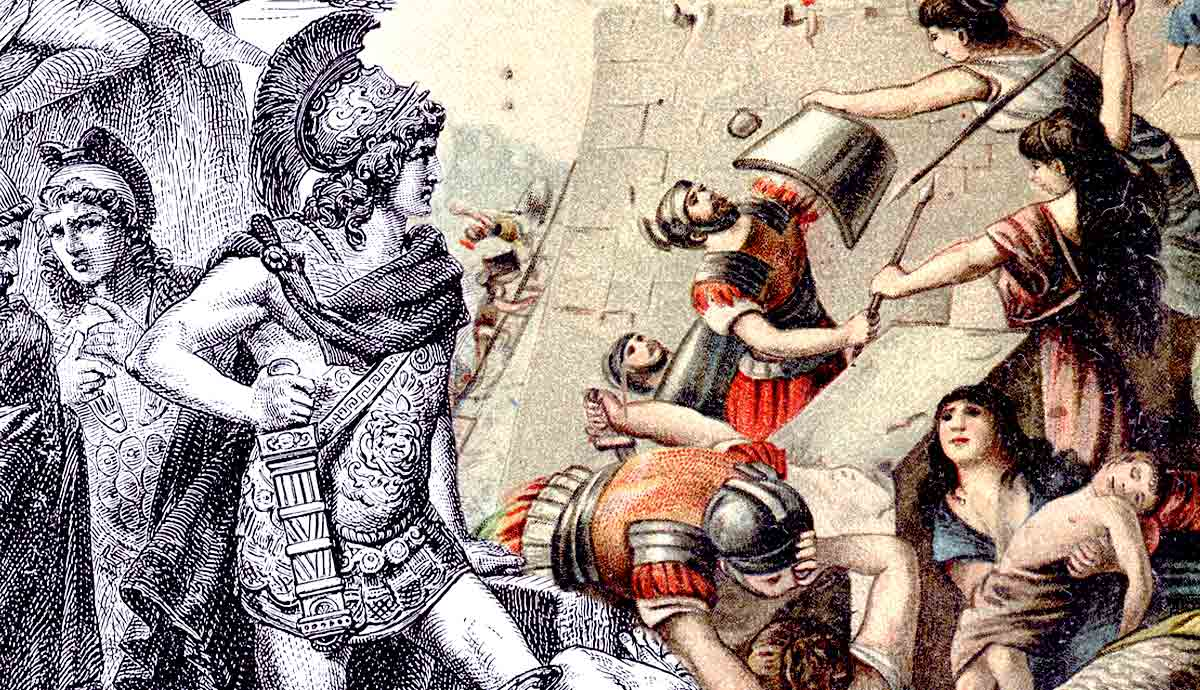
In Ancient Greece, warfare is often associated with hoplite battles fought in open fields. However, siege warfare played an equally important role, especially as cities became more fortified and political conflicts intensified. Sieges shaped military innovation, strategy, and the rise and fall of major city-states.
What Is Siege Warfare?
Siege warfare refers to the military practice of:
Surrounding a fortified city or stronghold
Cutting off supplies and communication
Forcing surrender through starvation, assault, or negotiation
Instead of quick battles, sieges were slow, resource-intensive struggles.
Why Sieges Became Important
Sieges became central in Greek history because:
Many cities were heavily fortified with walls
Political rivalries made direct conquest difficult
City-states relied on strong defensive positions
Control of cities meant control of territory and wealth
As fortifications improved, so did siege tactics.
Famous Greek Sieges
The Siege of Plataea
During the Peloponnesian War, Sparta besieged Plataea:
Built a surrounding wall (circumvallation)
Cut off supplies completely
Used fire and tunneling attempts
Eventually forced surrender
This siege demonstrated long-term Spartan persistence.
The Siege of Syracuse
Athens attempted to capture Syracuse during the Sicilian Expedition:
Massive Athenian fleet and army involved
Syracusans built counter-walls and defenses
Reinforcements arrived to break the siege
Athens suffered a catastrophic defeat
This was one of the greatest failures in Athenian history.
Siege Techniques Used by Greeks
Greek armies developed various methods:
Blockade
Surrounding cities with troops or ships
Preventing food and supplies from entering
Siege Walls
Building walls around enemy cities
Trapping defenders inside
Battering and Assault
Attempting direct attacks on gates and walls
Using ladders and siege towers
Mining
Digging tunnels under walls to collapse them
Counter-mining used by defenders
Defensive Innovations
As siege warfare evolved, defenders improved their strategies:
Stronger stone walls and towers
Stockpiling food and water
Counter-siege walls inside cities
Mobile troops for sallies (surprise attacks)
This created a constant arms race between attackers and defenders.
Technological Development
Siege warfare encouraged military innovation:
Improved siege engines (catapults in later periods)
Development of specialized engineers
Better coordination of large armies
Integration of naval blockades with land sieges
These innovations influenced later Hellenistic and Roman warfare.
Psychological and Economic Impact
Sieges were not only physical but also psychological:
Starvation and disease weakened morale
Civilians suffered alongside soldiers
Political pressure often forced surrender
Long sieges drained resources of attacking armies
Victory often depended on endurance rather than battlefield skill.
Strategic Importance
Siege warfare determined:
Control of key cities and trade routes
Political dominance in regions
Outcome of major wars
Rise and fall of city-states like Athens and Sparta
In many cases, wars were decided more by sieges than by open battles.
Conclusion
Siege warfare was a crucial part of ancient Greek military history. As cities became more fortified, direct battlefield combat was no longer enough to achieve victory. Instead, prolonged sieges shaped military strategy, encouraged technological innovation, and often determined the outcome of major conflicts. From Plataea to Syracuse, sieges reveal the endurance, ingenuity, and harsh realities of Greek warfare.