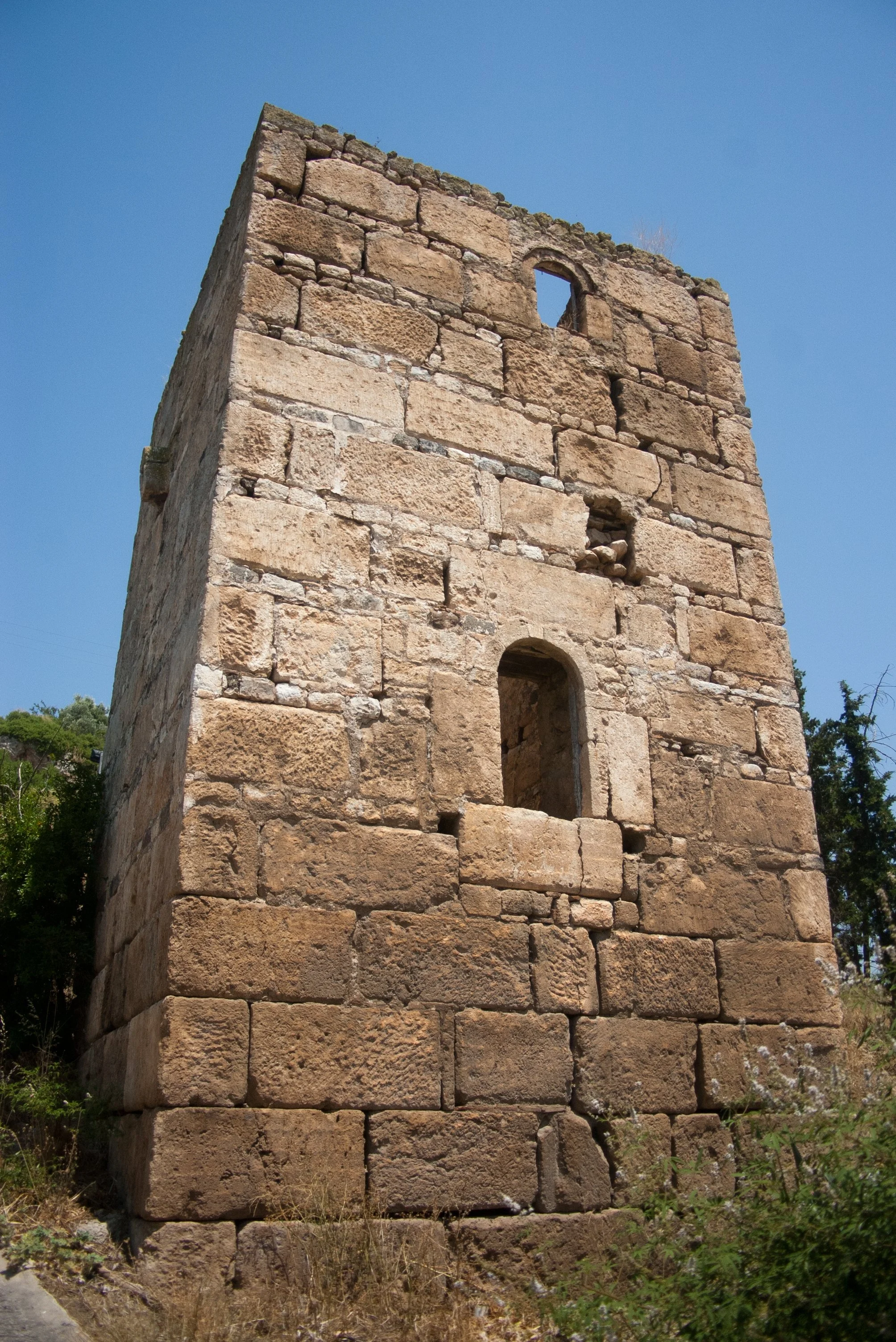
The landscape of ancient Greece was heavily militarized, punctuated by formidable stone fortresses, walled acropolises, and border watchtowers designed to secure strategic mountain passes and coastal approaches. Faced with the constant threat of inter-city warfare and foreign invasion, Greek military engineers developed sophisticated fortification methodologies. These defensive systems successfully integrated structural geology, geometry, and tactical architecture to withstand prolonged sieges and deflect the violent impacts of early artillery engines.
The foundational architecture of a Greek fortress relied on the construction of curtain walls using advanced stone masonry styles. Engineers favored three main techniques: Cyclopean, where massive, irregular boulders were fitted together; Polygonal, where stones were cut into complex, multi-sided interlocking shapes that fit together tightly without mortar; and Ashlar, which used perfectly rectangular blocks laid in horizontal courses. Polygonal masonry was exceptionally brilliant; its jagged, interlocking joints distributed seismic forces and the energy of battering rams unevenly through the wall structure, preventing catastrophic linear cracking and making the walls virtually earthquake-proof.
A critical structural innovation was the emplekton wall construction method. Rather than carving solid marble or limestone blocks for the entire thickness of a four-meter-wide wall, builders constructed two parallel outer facings of high-quality stone blocks. They then filled the interior void with a densely packed core of rubble, quarry scraps, and compacted clay. To tie these independent layers together into a unified structural unit, engineers inserted heavy stone tie-beams, called headers, at regular intervals, which extended horizontally from the exterior face completely through to the interior core, locking the system together.
Tactically, fortresses were engineered to eliminate blind spots. Towers—either square, rectangular, or increasingly circular during the Hellenistic period to resist stone-throwing catapults—projected outward from the curtain walls at regular intervals, specifically spaced within the effective range of a defensive bowshot or javelin throw. Gateways, the most vulnerable points of any fortress, were designed with psychological cruelty; they were frequently recessed within deep, dog-legged corridors, forcing attackers to advance through a narrow gauntlet with their un-shielded right sides exposed directly to defensive missile fire from the battlements above, turning stone walls into active death traps for invaders.