The management of artificial light was one of the most critical daily domestic challenges in ancient Greece, dictating the productivity of workshops, the security of urban nights, and the staging of evening symposia. Because electricity did not exist, Greeks relied entirely on the combustion of animal fats and vegetable oils. The manufacturing of portable illumination devices—specifically terracotta and bronze oil lamps, alongside primitive candles—was a vital industrial craft that fused artistic design with functional fluid dynamics to push back the dark.
The absolute workhorse of Greek illumination was the ceramic oil lamp. Potters manufactured these devices in vast quantities using two primary methods: wheel-throwing during the early classical periods, and two-piece plaster molds during the later Hellenistic era. The design featured a bulbous, enclosed reservoir body to hold the liquid fuel, a central filling hole for refilling the supply, a side handle, and a protruding nozzle designed to hold a wick. Potters coated the interior of the porous clay reservoir with a dense, iron-rich liquid slip, which vitrified during firing to create an impermeable barrier that prevented the oil from seeping out through the clay walls.
The fuel source used was almost exclusively low-grade olive oil, known as lamp-oil, extracted from the final pressing of the fruit, which was too bitter for human consumption. For the wick, craftsmen utilized twisted fibers of linen, hemp, or coarse mullein leaves. The wick relied on capillary action to draw the liquid oil upward to the nozzle tip, where it burned with a steady, yellow flame. While highly efficient, these lamps produced a significant amount of black soot and a distinct, pungent aroma, requiring households to place lamps on tall bronze stands or hang them from ceiling chains to optimize light distribution while keeping smoke clear of living zones.
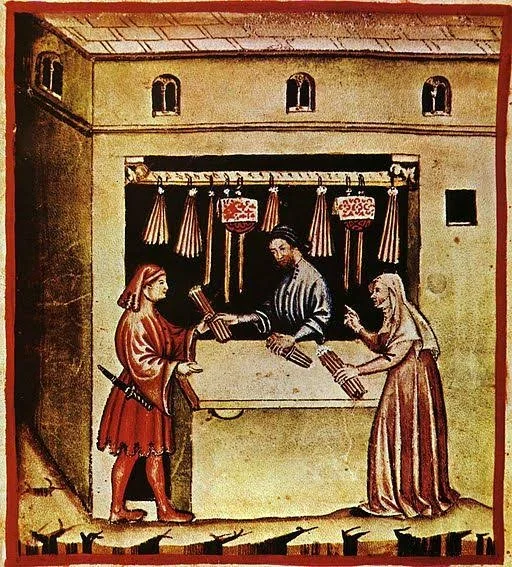
Candles, known as pyria, occupied a secondary position, utilized predominantly in rural areas or for rapid, highly portable utility work where carrying an oil reservoir was impractical. Craftsmen manufactured these by repeatedly dipping wicks made of twisted papyrus or flax into vats of melted beeswax or rendered animal tallow. Tallow candles were inexpensive but produced a foul odor and melted rapidly in the Mediterranean heat, whereas beeswax candles burned cleanly and aromatically, though their high cost restricted their use to elite religious rituals and wealthy households, making the clay oil lamp the true champion of ancient night life.