• Home page/Blog
    • Ancient Greece
    • Archaeology
    • Mythology
    • Architecture
    • Artefact
    • Inventions
    • Tourism
    • News
    • Science
    • General
    • Weird
    • Recipes
    • Blog
  • About
  • Contact
Menu

GHD

  • Home page/Blog
  • History
    • Ancient Greece
    • Archaeology
    • Mythology
  • Art
    • Architecture
    • Artefact
    • Inventions
  • Travel
    • Tourism
  • Other
    • News
    • Science
    • General
    • Weird
    • Recipes
    • Blog
  • About
  • Contact
No results found

How Ancient Greeks Preserved Their Artwork and Paintings

July 18, 2026

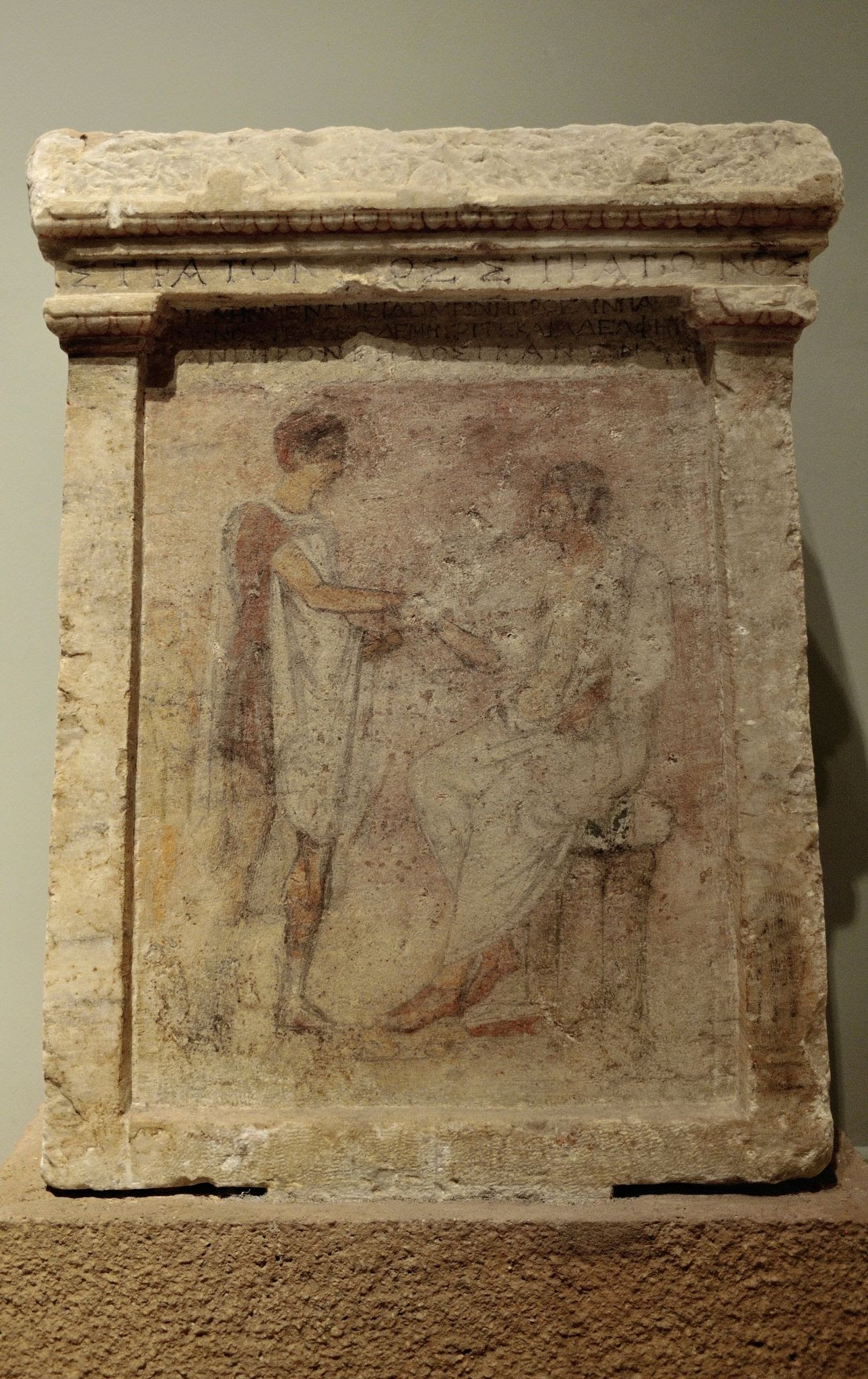
While classical Greece is famous today for its white marble sculptures, ancient Greek public spaces, temples, and tombs were originally vibrant with color. Because organic pigments fade, flake, and rot over time, Greek artists (zoographoi) engineered specialized chemical mediums to protect their panel paintings, grave stelai, and monumental murals from weathering, moisture, and intense Mediterranean sunlight.

Encaustic Binding and Chemical Sealants

The primary method for preserving high-end paintings was the encaustic technique (enkaustikos). Artists melted pure beeswax, mixing it with intense mineral pigments (such as cinnabar for red, malachite for green, and Egyptian blue) and a hardening resin, often sourced from the Chios mastic tree.

Using heated iron tools called cauteria, they applied the molten wax directly onto wooden panels or stone surfaces. As the wax cooled, it fused with the substrate, creating a hard, waterproof, and light-resistant seal that locked the pigments into place.

For large-scale architectural murals, artists relied on the buon fresco technique, painting directly onto wet lime plaster. A chemical reaction called carbonation occurred as the plaster dried, binding the pigment particles into the molecular structure of the wall itself. To protect existing stone paint from sea air, Pliny the Elder records that Greeks applied a top layer of melted Punic wax mixed with oil, buffing it with clean linen cloths to create a glossy protective shield. These techniques allowed vibrant colors to survive for centuries inside sealed tombs and sheltered monuments.
← The Role of Fishermen in Greek FolkloreThe Influence of Greek Geometric Art on Architecture →
Featured
image_2026-07-14_220335197.png
July 18, 2026
The Influence of Greek Astronomy on Later Civilizations
July 18, 2026
July 18, 2026
image_2026-07-14_220244101.png
July 18, 2026
How Ancient Greeks Created Their Own Musical Instruments
July 18, 2026
July 18, 2026
image_2026-07-14_220156501.png
July 18, 2026
The Role of Fishermen in Greek Folklore
July 18, 2026
July 18, 2026
image_2026-07-14_220107768.png
July 18, 2026
How Ancient Greeks Preserved Their Artwork and Paintings
July 18, 2026
July 18, 2026
image_2026-07-14_215859633.png
July 18, 2026
The Influence of Greek Geometric Art on Architecture
July 18, 2026
July 18, 2026
image_2026-07-14_215816876.png
July 18, 2026
The Role of Religious Amulets and Charms in Greek Life
July 18, 2026
July 18, 2026
image_2026-07-14_215739080.png
July 18, 2026
The Importance of Wool and Linen in Greek Textiles
July 18, 2026
July 18, 2026
image_2026-07-14_215710119.png
July 18, 2026
How Greek Children Learned to Read and Write
July 18, 2026
July 18, 2026
SEE MORE

Powered by ©GreeceHighDefinition / Privacy Policy