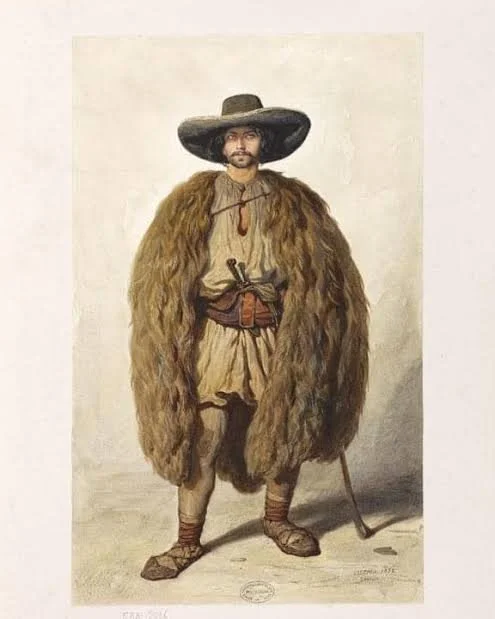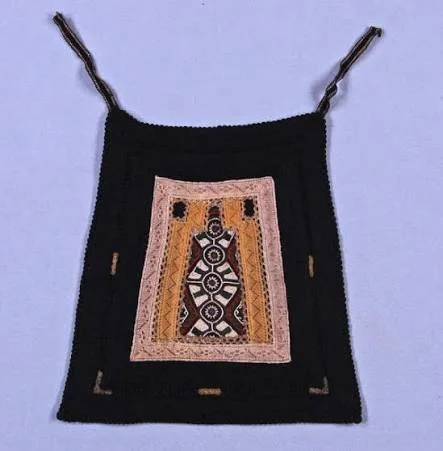
Textiles were the economic backbone and domestic focus of ancient Greek daily life. Because the production of clothing and household items was incredibly labor-intensive, fabric was treated as a major form of household wealth, an essential trade commodity, and a clear marker of social status. The entire industry relied heavily on two primary raw materials: wool (erion) for warmth, structure, and durability, and linen (linon) for lightweight comfort, breathability, and elegance in the warm Mediterranean climate.
Domestic Production Dynamics and Fabric Specialization
Textile production was an exclusively female domain, cutting across all social classes from enslaved domestic laborers to high-status aristocratic women. The process began with raw wool sheared from local sheep, which had to be washed, picked clean, and carded to align the fibers.
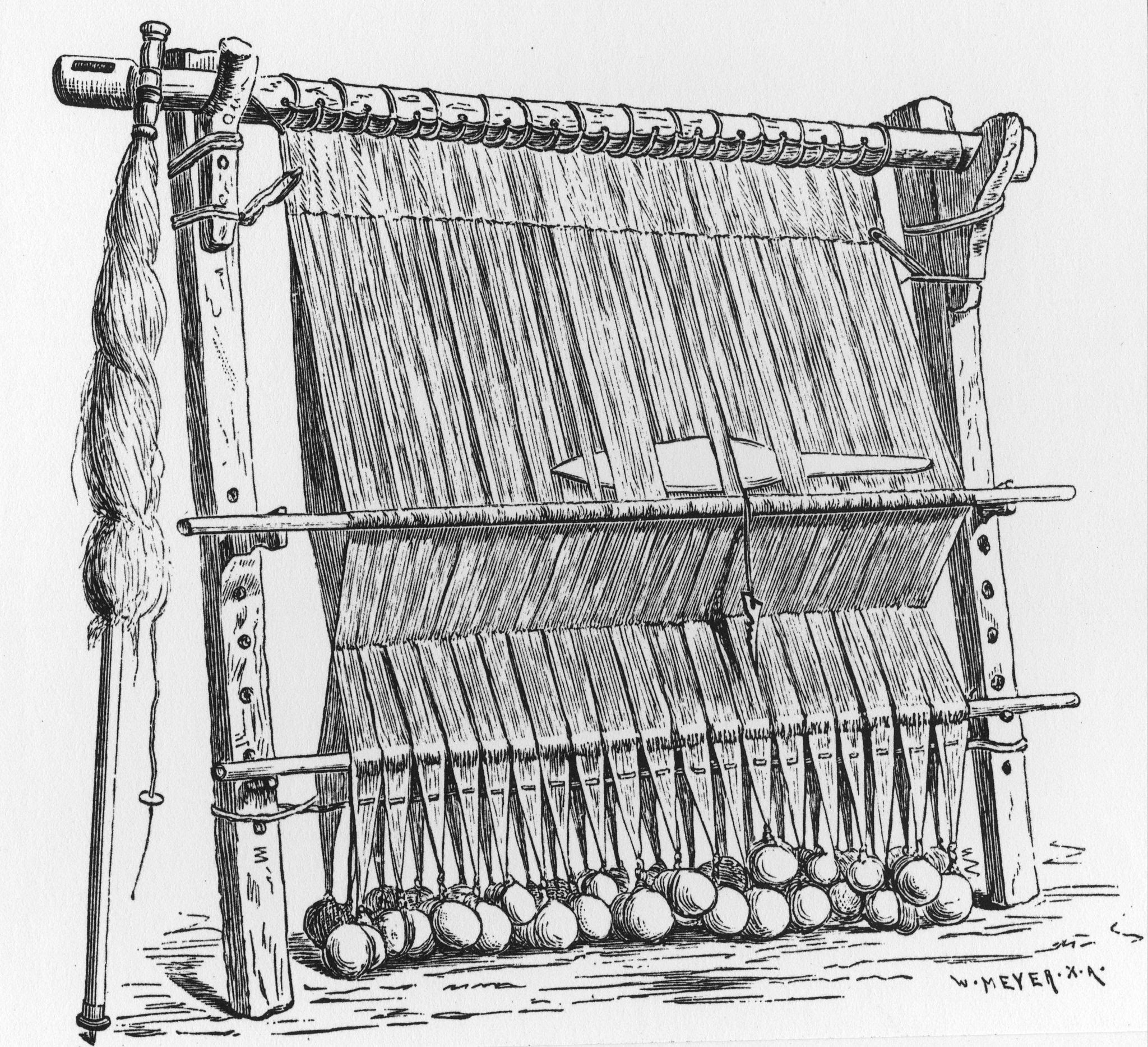
Using a drop spindle and a distaff, women spun the fibers into tight, uniform yarn. This yarn was then woven on a warp-weighted loom, a large vertical wooden frame where the vertical threads (warp) were kept taut by tied ceramic or stone weights (agnythes), allowing the weaver to manually pass the horizontal threads (weft) through the strands.
Linen production required a completely different, demanding agricultural process. Flax stalks had to be soaked in water (retted), beaten to break away the woody outer stems, and combed out to extract the fine, silky internal fibers before spinning.
While wool was easily dyed using natural local ingredients like madder root for red and woad for blue, linen resisted color and was prized for its bright, bleached white finish. A wealthy Greek household showcased its status through the crisp pleats of a fine linen chiton (tunic) or the heavy, rich drape of a finely dyed wool himation (cloak), making textile mastery the true measure of domestic success.