• Home page/Blog
    • Ancient Greece
    • Archaeology
    • Mythology
    • Architecture
    • Artefact
    • Inventions
    • Tourism
    • News
    • Science
    • General
    • Weird
    • Recipes
    • Blog
  • About
  • Contact
Menu

GHD

  • Home page/Blog
  • History
    • Ancient Greece
    • Archaeology
    • Mythology
  • Art
    • Architecture
    • Artefact
    • Inventions
  • Travel
    • Tourism
  • Other
    • News
    • Science
    • General
    • Weird
    • Recipes
    • Blog
  • About
  • Contact
No results found

The Role of Fishermen in Greek Folklore

July 18, 2026

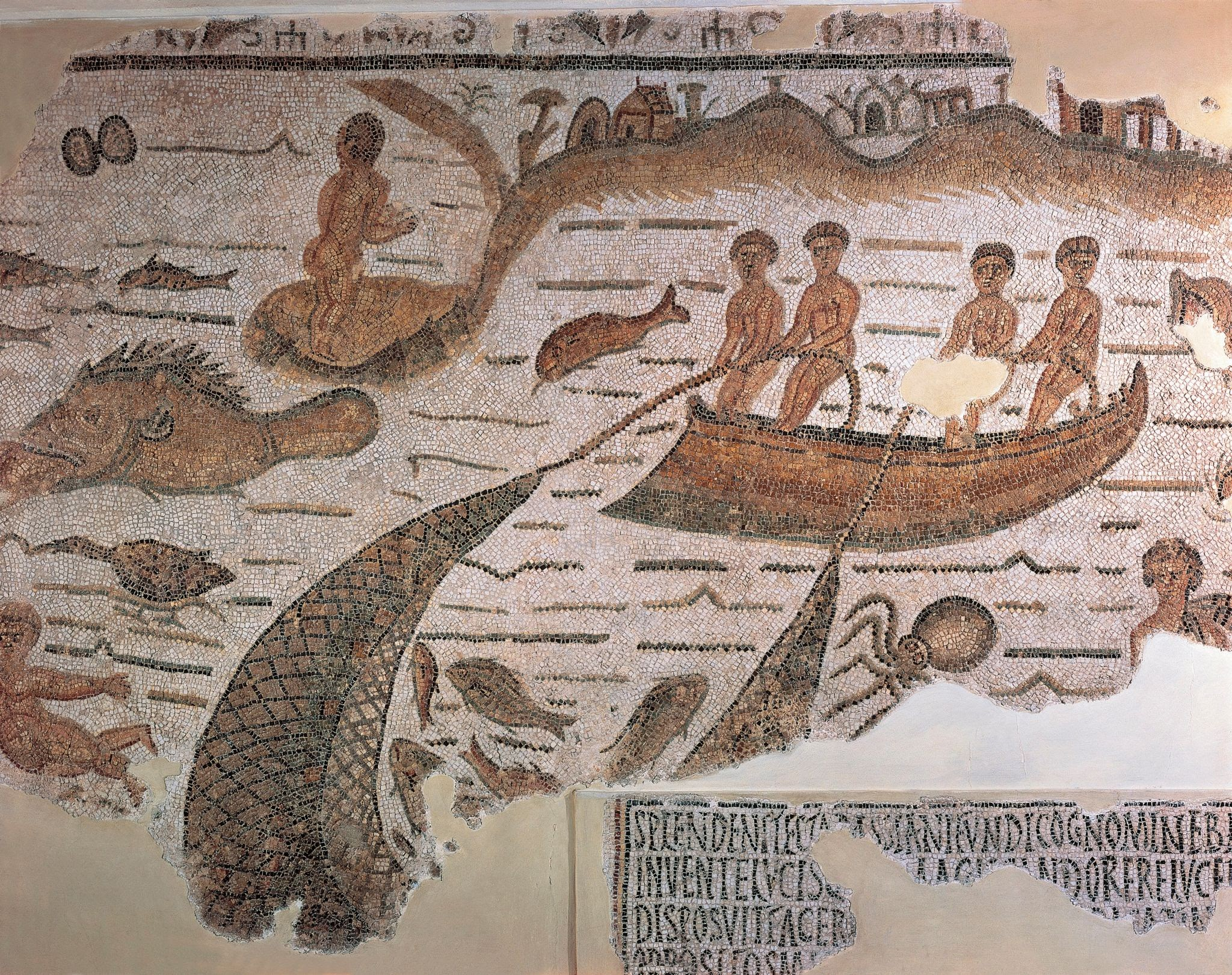
Despite Greece's vast coastline and maritime identity, fishermen (halieis) occupied a complex, dual space in ancient Greek culture. Unlike wealthy merchants or brave naval warriors, fishermen were viewed as impoverished, low-status laborers who endured exhausting work.

Yet, precisely because they operated on the edge of the dangerous, unpredictable open sea, fishermen became central figures in folklore, local myths, and religious rituals designed to calm the volatile forces of the deep.

Mythological Encounters and the Cult of Glaucus

In regional folklore, fishermen served as the literal and metaphorical link between the human world and the hidden world of the ocean gods. They were the individuals most likely to witness sea monsters (ketē), experience sudden storms sent by Poseidon, or catch unusual items in their nets.

A famous folkloric figure was Glaucus, who began life as a mortal fisherman in Boeotia. According to legend, he discovered a magical herb that restored dead fish to life; upon eating it himself, he was transformed into an immortal sea god with a seaweed beard, webbed hands, and a fish tail, becoming the patron deity and protector of distressed sailors and fishermen.

Fishermen also acted as interpreters of coastal omens. Finding a dolphin caught in a net was considered a terrible curse, prompting fishermen to stop work to give the animal a proper burial on the beach to avoid the wrath of Apollo Delphinios.

Their hazardous lifestyle generated unique prayers and offerings: before setting sail, fishermen routinely dedicated bronze hooks, lead net-sinks, and a portion of their initial catch to Poseidon or the local nymphs at seaside shrines, hoping to ensure safe passage and a full net.
← How Ancient Greeks Created Their Own Musical InstrumentsHow Ancient Greeks Preserved Their Artwork and Paintings →
Featured
image_2026-07-14_220335197.png
July 18, 2026
The Influence of Greek Astronomy on Later Civilizations
July 18, 2026
July 18, 2026
image_2026-07-14_220244101.png
July 18, 2026
How Ancient Greeks Created Their Own Musical Instruments
July 18, 2026
July 18, 2026
image_2026-07-14_220156501.png
July 18, 2026
The Role of Fishermen in Greek Folklore
July 18, 2026
July 18, 2026
image_2026-07-14_220107768.png
July 18, 2026
How Ancient Greeks Preserved Their Artwork and Paintings
July 18, 2026
July 18, 2026
image_2026-07-14_215859633.png
July 18, 2026
The Influence of Greek Geometric Art on Architecture
July 18, 2026
July 18, 2026
image_2026-07-14_215816876.png
July 18, 2026
The Role of Religious Amulets and Charms in Greek Life
July 18, 2026
July 18, 2026
image_2026-07-14_215739080.png
July 18, 2026
The Importance of Wool and Linen in Greek Textiles
July 18, 2026
July 18, 2026
image_2026-07-14_215710119.png
July 18, 2026
How Greek Children Learned to Read and Write
July 18, 2026
July 18, 2026
SEE MORE

Powered by ©GreeceHighDefinition / Privacy Policy