Literacy in the classical Greek world was a progressive journey of rote memorization, physical muscle training, and structural mechanics. For children in literate families—predominantly young boys, though some girls received private tutoring at home—formal education began around the age of seven under the guidance of a primary teacher known as a grammatistes. The process was deliberately structured to move the child from the absolute abstract building blocks of the language to the fluid recitation of epic poetry.
The Pedagogy of Chanting and Wax Tablets
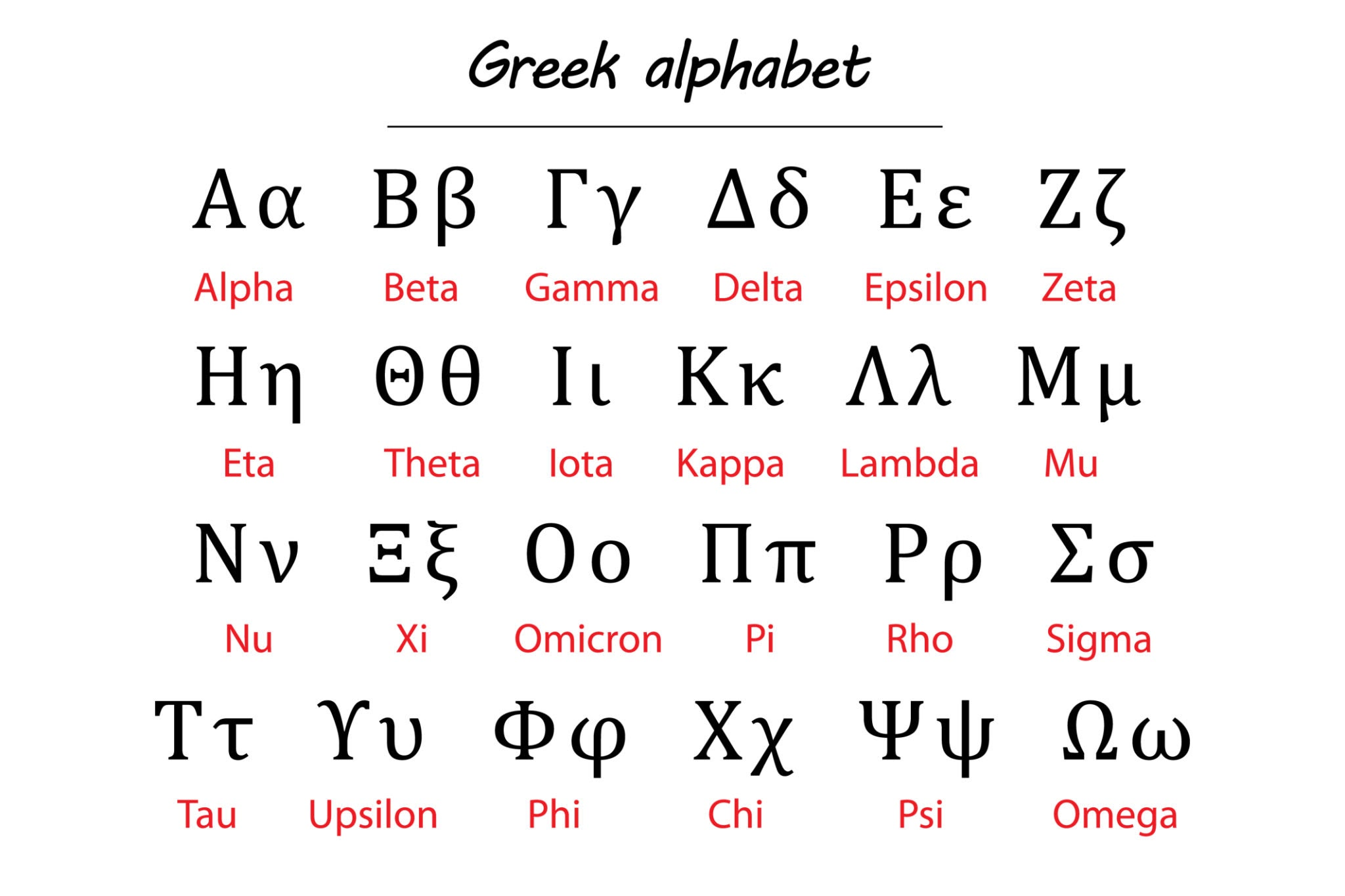
The pedagogical method was heavily oral and repetitive. Students began by chanting the names of the letters in order, from alpha to omega, before learning their physical shapes. Once the individual letters were mastered, the grammatistes introduced syllable exercises, forcing children to combine consonants and vowels systematically (e.g., ba, ga, da, be, ge, de).
This phonetic scaffolding was critical because ancient Greek was written in scriptura continua—a continuous string of capital letters without spaces, punctuation, or word divisions. Children had to learn to read aloud, using pitch and rhythm to naturally separate words and sentences
For writing practice, papyrus was far too expensive for daily student errors. Instead, children utilized a wax tablet (pinax or deltos), a wooden frame filled with a layer of blackened wax. Using a metal or bone stylus, the student scratched letters into the wax, smoothing out mistakes with the flat, spatula-like end of the tool.
Teachers would scratch a perfect model sentence into the top line, and the student was required to copy it repeatedly below, training the hand to follow the straight lines. Fragments of broken pottery, known as ostraca, were also salvaged from trash heaps as free, durable surfaces for scratching short spelling lists and basic writing assignments.