Ancient Greek religion was not confined to grand civic temples or formal state sacrifices; it was deeply personal, protective, and woven into the anxieties of daily survival. To navigate a world filled with sudden illness, infant mortality, and hidden spiritual threats, Greeks relied heavily on apotropaic devices—charms, amulets, and protective objects designed to ward off evil spirits, deflect the dreaded Evil Eye (baskania), and secure the favor of protective gods. These items served as a vital spiritual shield for individuals at their most vulnerable moments.
Material Forms and Apotropaic Mechanisms
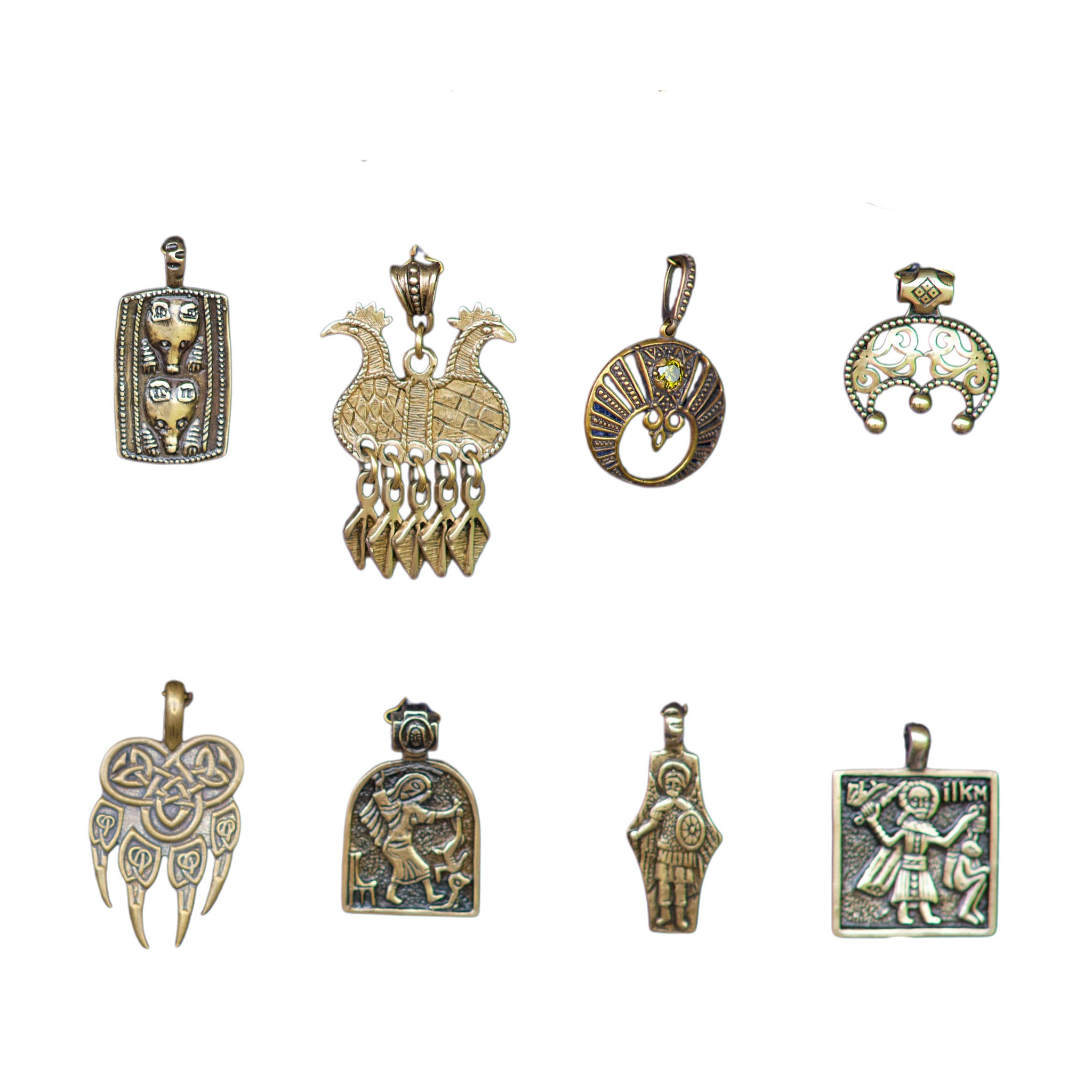
These protective devices spanned a wide variety of materials and symbolic designs, tailored to the financial means and specific fears of the wearer. Wealthier citizens wore beautifully engraved gemstone rings made of carnelian or jasper, while the working classes relied on simple molded bronze pendants, terracotta shapes, or knotted cords.
Among the most common symbols was the Gorgoneion—the severed head of the mythic monster Medusa, whose terrifying stare was believed to turn malicious forces to stone, safely deflecting hexes away from the user.
For targeted protection, Greeks utilized written charms known as phylakteria. These were tiny, thin sheets of gold, silver, or lead (lamellae) onto which a sorcerer or priest scratched secret words of power, magical characters, and calls to underworld deities like Hecate or Hermes Psychopompos. The metal sheet was rolled into a tight cylinder and worn inside a small capsule around the neck.
Children were especially protected by these traditions; infants were regularly adorned with periapta—strings of small charms, crescents, and rings wrapped around their torsos to shield them from childhood diseases and malevolent spirits during their fragile first years of life.