Introduction
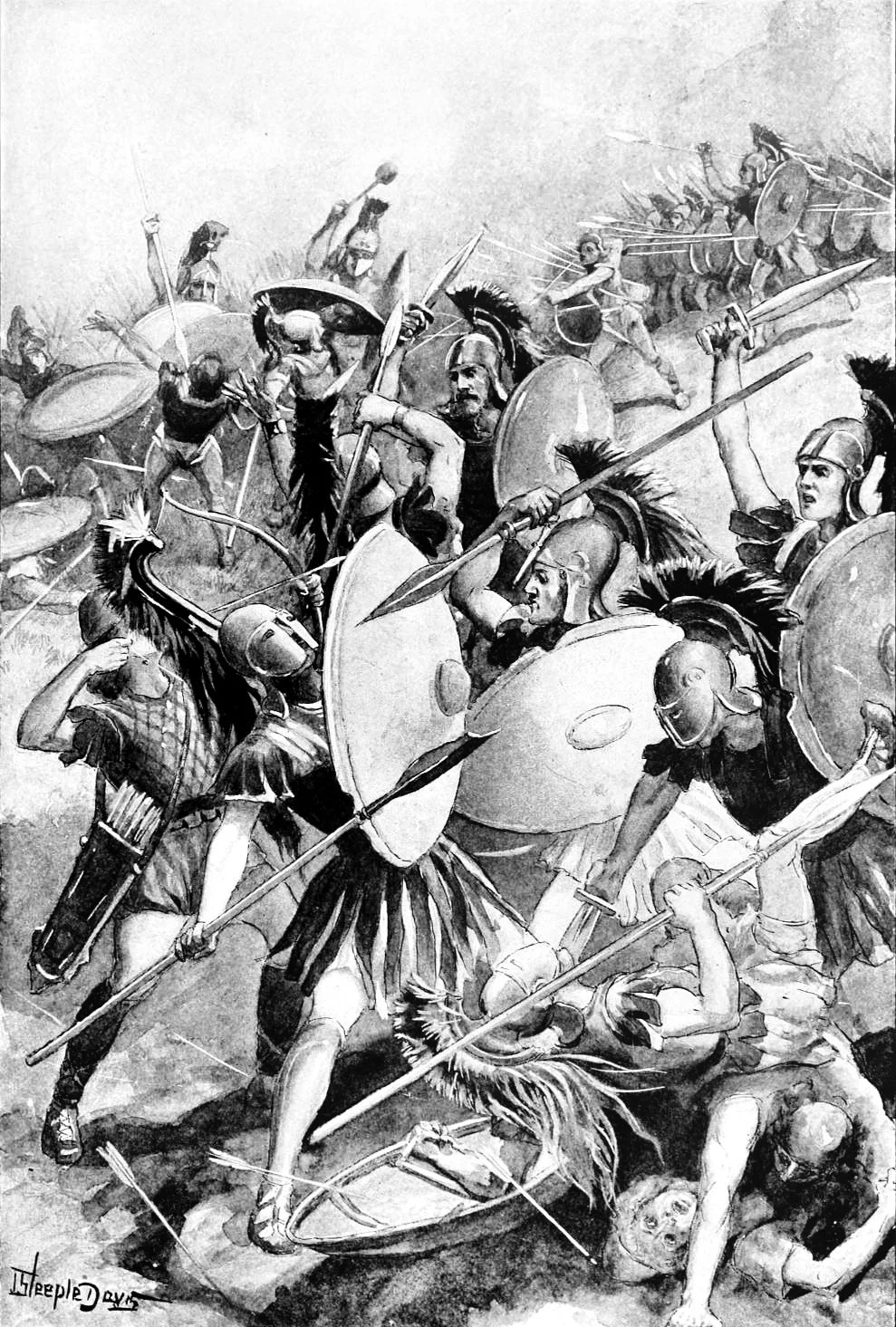
Although heavily armored hoplites dominated the image of ancient Greek warfare, archers played an important supporting role on the battlefield. From the Archaic Period through the Hellenistic Age, archers provided long-range fire, disrupted enemy formations, defended city walls, and protected advancing infantry. While many Greek city-states relied primarily on citizen hoplites, they frequently recruited skilled archers from regions famous for their expertise, including Crete, Scythia, and parts of Anatolia. These specialized missile troops added tactical flexibility to Greek armies and became increasingly important as warfare evolved.
Weapons and Equipment
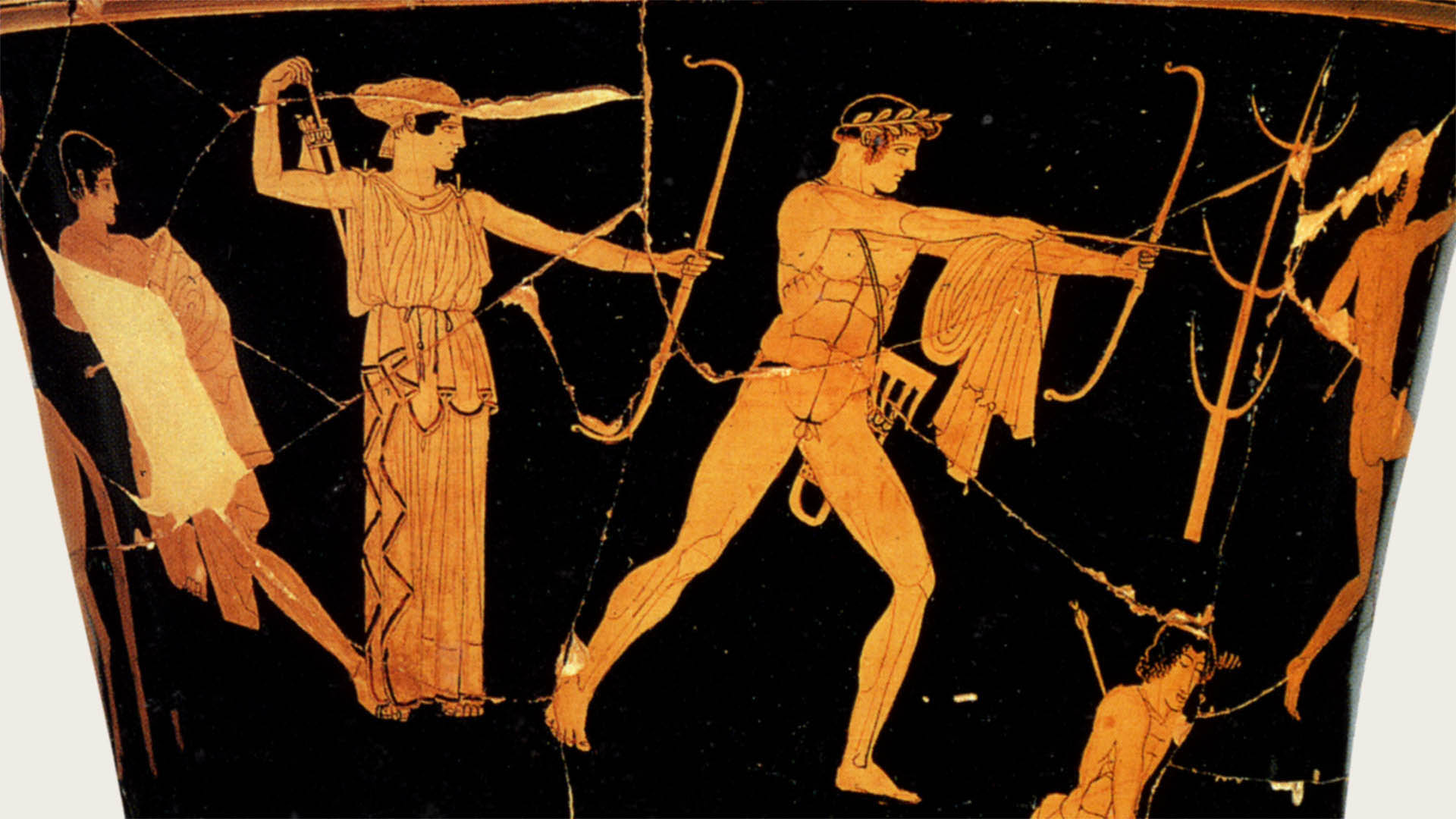
Greek archers primarily used self-bows made from woods such as yew, elm, ash, or horn composites. Arrows were crafted with wooden shafts tipped with bronze or iron arrowheads designed for piercing armor or hunting game. Quivers, leather arm guards, and simple helmets completed their equipment, allowing them to remain mobile during battle.
Unlike heavily armored hoplites, archers wore light clothing or leather armor that enabled rapid movement across difficult terrain.
Battlefield Roles
Archers usually fought behind the hoplite battle line or on elevated ground where they could fire volleys into advancing enemy formations. Their arrows disrupted enemy cohesion, weakened morale, and inflicted casualties before close combat began. During sieges, archers defended city walls by targeting enemy engineers, siege crews, and approaching infantry.
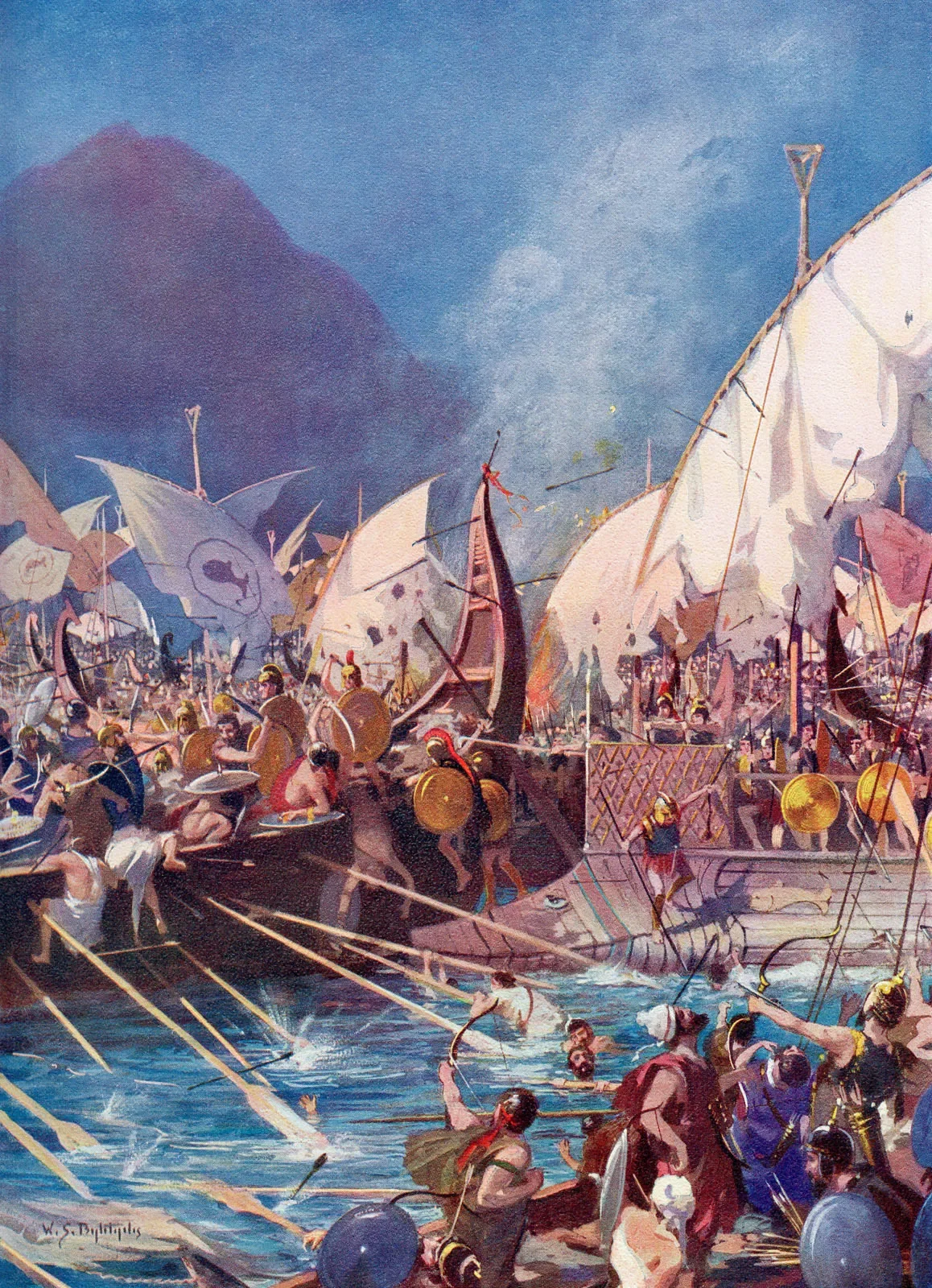
Naval warfare also relied heavily on archers stationed aboard triremes, where they attacked enemy sailors before boarding actions occurred.
Specialized Archers
Among the most respected missile troops were the Cretan archers, whose exceptional accuracy made them valuable mercenaries throughout the Greek world. Athens also employed Scythian archers as both military auxiliaries and public security personnel responsible for maintaining order within the city.
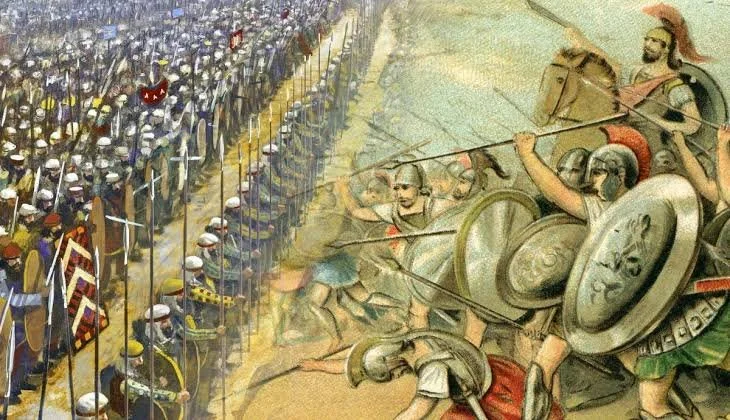
During the Hellenistic period, the growing importance of combined-arms tactics further increased the battlefield value of trained archers alongside cavalry, infantry, and siege artillery.
Conclusion
Although often overshadowed by the famous hoplite phalanx, ancient Greek archers made vital contributions to military success through long-range combat, siege defense, naval warfare, and tactical support. Their mobility, precision, and specialized skills added an essential dimension to Greek warfare and influenced military developments throughout the ancient Mediterranean.