Introduction
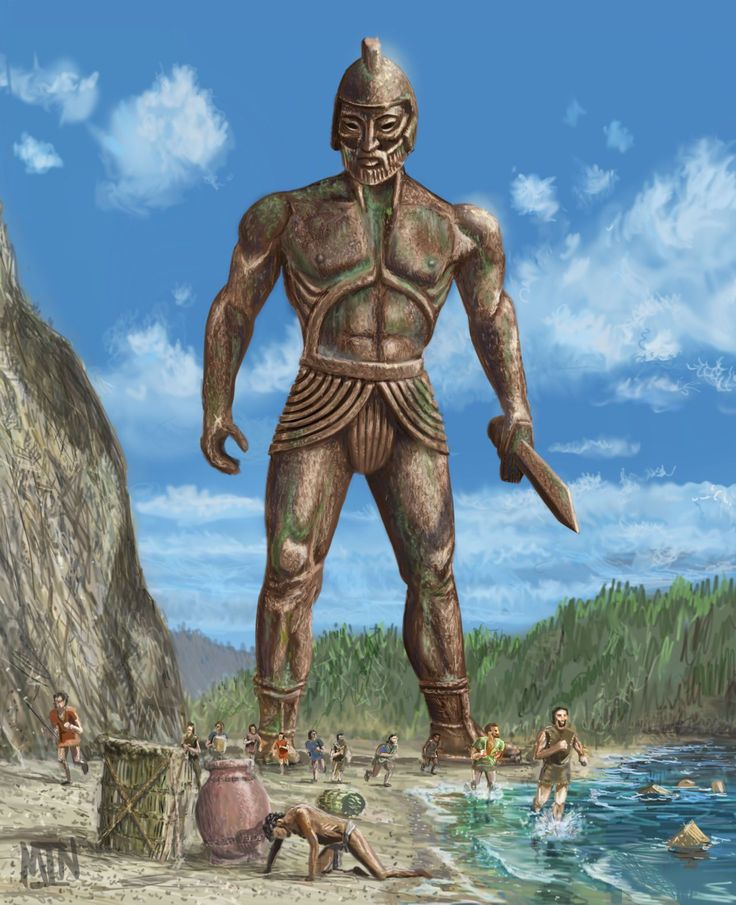
Talos was one of the most fascinating figures in Greek mythology and is often regarded as the world's first mythological automaton or mechanical guardian. According to ancient traditions, Talos was either forged by Hephaestus, the god of fire and metalworking, or created by the legendary inventor Daedalus under the command of Zeus. He was presented to King Minos of Crete to protect the island from foreign invaders and pirates. Entirely made of bronze, Talos symbolized divine craftsmanship, technological ingenuity, and the power of the Olympian gods. His legend combines mythology with early concepts of artificial life, making him one of the most unique creations in Greek literature.
Appearance and Extraordinary Abilities
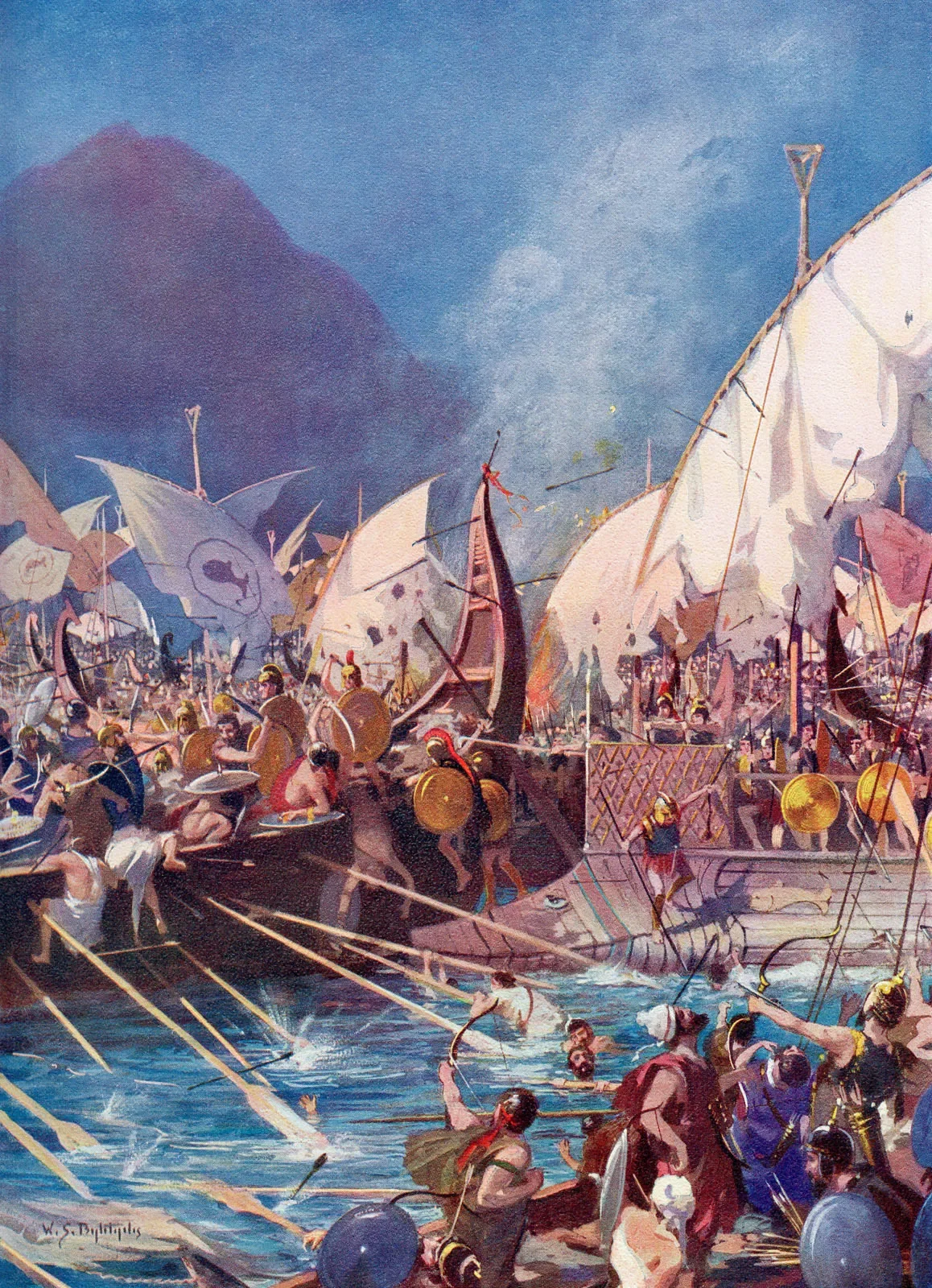
Talos was described as a gigantic bronze warrior who continuously circled the island of Crete three times each day, constantly watching for approaching enemies. His immense size and metallic body made him nearly indestructible. When hostile ships attempted to land, Talos hurled enormous boulders from the cliffs, sinking vessels before they could reach the shore.
If invaders managed to come ashore, Talos employed an even more terrifying method of defense. He heated his bronze body until it glowed red-hot before embracing his enemies, burning them to death. This fearsome ability demonstrated both his supernatural strength and his role as the ultimate guardian of King Minos's kingdom.
The Secret of His Life Force
Although Talos appeared invincible, he possessed one fatal weakness. A single vein extended from his neck to one of his ankles, carrying ichor, the divine golden fluid that served as the life-blood of the gods. This vein was sealed by a bronze nail or plug located at his ankle. As long as the plug remained intact, Talos continued to function as the protector of Crete.
This single vulnerable point reflected a common theme in Greek mythology—that even the mightiest beings often possessed one hidden weakness capable of bringing about their downfall.
The Argonauts and the Fall of Talos
Talos met his end when Jason and the Argonauts arrived at Crete after their quest for the Golden Fleece. The sorceress Medea, renowned for her magical powers and intelligence, devised a strategy to defeat the bronze guardian. Ancient versions of the myth differ slightly: some state that Medea hypnotized Talos with powerful enchantments, while others claim she used drugs or magical promises to deceive him.
As Talos stumbled, he scraped his ankle against a sharp rock, causing the bronze plug to loosen. Once the plug was removed, the divine ichor flowed out like molten metal. Deprived of his life force, the giant bronze guardian slowly collapsed to the ground, ending his eternal watch over Crete.
Symbolism and Legacy
Talos represents one of humanity's earliest myths about artificial intelligence, mechanical life, and autonomous guardians. His story reflects ancient Greek fascination with engineering, metallurgy, and divine craftsmanship while illustrating that intelligence often triumphs over brute strength. Scholars frequently compare Talos to later legends of mechanical beings, making him an enduring symbol of both mythology and technological imagination.
Conclusion
The legend of Talos combines divine engineering, heroic adventure, and tragic vulnerability into one of Greek mythology's most memorable stories. As the bronze guardian of Crete, Talos protected an entire kingdom until his single weakness was exploited, reminding audiences that even seemingly invincible beings possess hidden flaws.