The Persian Wars transformed Athens.
Before the conflicts, Athens was already an important Greek city.
After them, it became one of the most powerful political, naval, cultural, and intellectual centers of the Mediterranean.
Athens and the Persian Threat
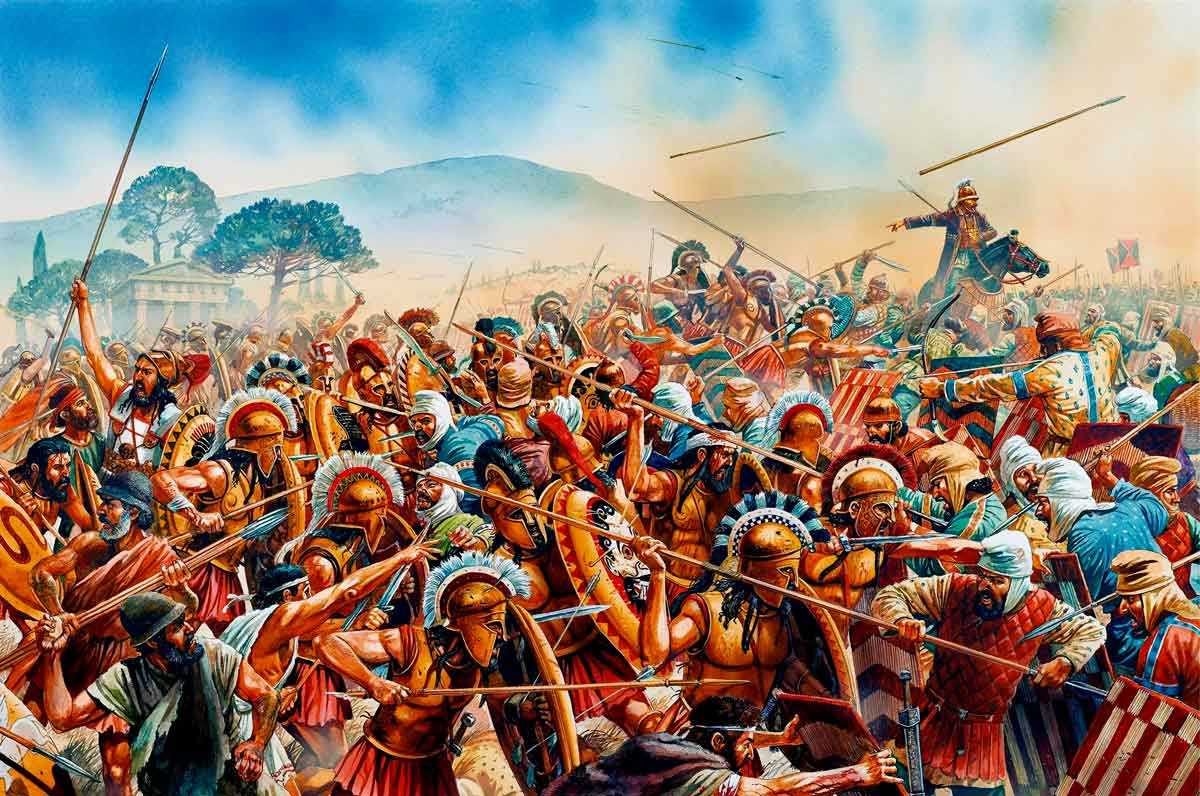
Persian forces invaded Greece in the early fifth century BCE.
Athens was attacked and its Acropolis was destroyed during the conflict.
Yet the Athenians eventually emerged from the wars with enormous prestige.
The Battle of Salamis
The naval victory at Salamis in 480 BCE was particularly important.
Athens had invested heavily in its navy.
Its large fleet helped defeat the Persian forces in the narrow waters near Salamis.
The victory demonstrated the strategic value of Athenian naval power.
The Delian League
After the Persian Wars, Athens became the leader of the Delian League.
The alliance was originally created to continue resisting Persia.
Member states contributed ships or money.
Over time, however, Athens increasingly controlled the organization.
The Athenian Empire
The Delian League gradually developed into an Athenian empire.
Athens used allied resources to strengthen its own military and economic position.
Tribute helped finance the city's growing power.
Rebuilding Athens
Athens was rebuilt after the Persian destruction.
The city developed impressive monuments.
Under Pericles, major construction projects transformed the Acropolis.
The Parthenon became the most famous symbol of Athenian achievement.
Democracy
Athenian democracy also developed during this period.
Citizens participated directly in the Assembly, courts, and other institutions.
Political participation became an important part of Athenian identity.
Culture
The fifth century BCE became one of the most celebrated periods of Greek cultural history.
Tragedians such as Aeschylus, Sophocles, and Euripides produced influential dramas.
Historians such as Herodotus and Thucydides developed new approaches to historical writing.
Philosophical inquiry expanded.
The Cost of Empire
Athenian power was not universally welcomed.
Other Greek states feared Athenian expansion.
Sparta became increasingly concerned about Athens' growing influence.
These tensions eventually contributed to the Peloponnesian War.
Conclusion
The Persian Wars created an opportunity for Athens to expand dramatically.
Its navy, democratic institutions, economic resources, and cultural achievements combined to create an extraordinary concentration of power.
Yet the same empire that made Athens wealthy also created enemies.
The rise of Athens therefore contained the seeds of its later conflict with Sparta.