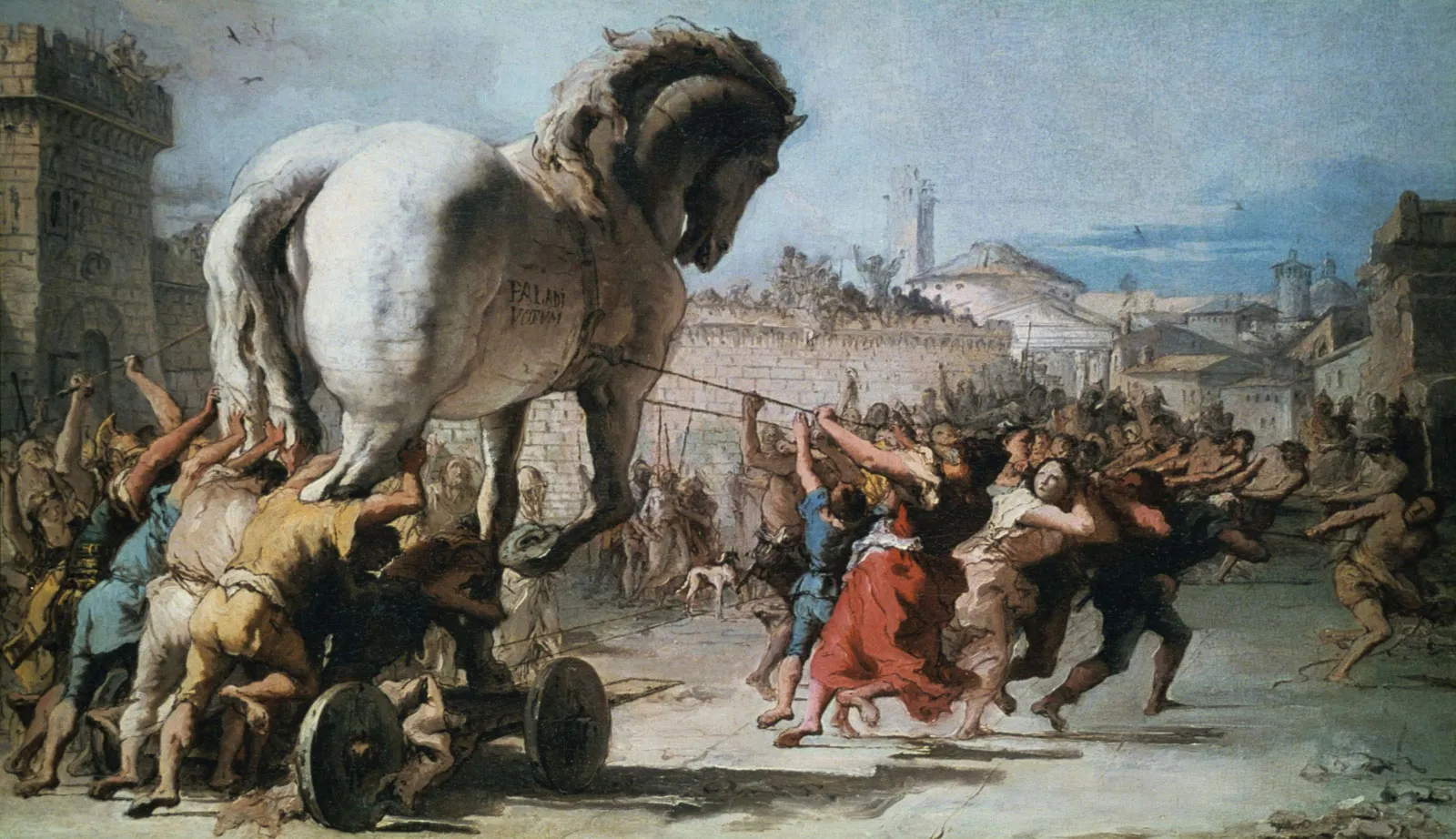
The Trojan War is one of the greatest stories of ancient Greek mythology.
It involves heroes, gods, kings, betrayal, romance, revenge, and the destruction of a great city.
But separating the mythology from history is essential.
The stories preserved by poets are legendary traditions, while archaeological evidence shows that Troy was a real settlement with a long history.
The Judgment of Paris
The legendary conflict begins with a divine dispute.
At a divine wedding, the goddess Eris was associated with a golden apple intended for "the fairest."
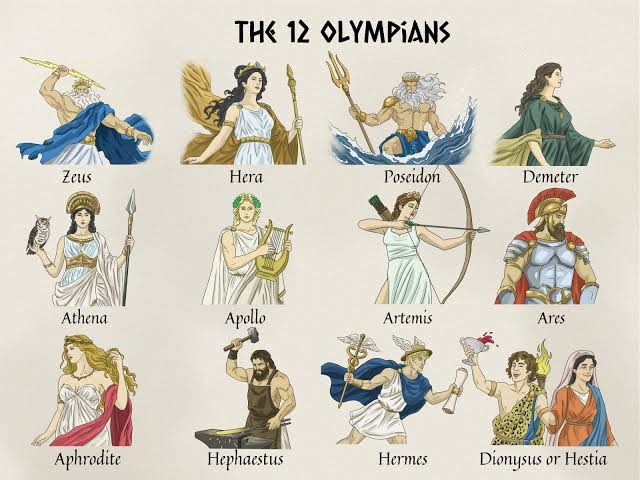
Hera, Athena, and Aphrodite competed for the prize.
Paris, prince of Troy, was chosen to judge them.
Each goddess offered him something.
Hera offered political power.
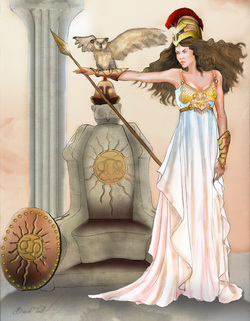
Athena offered wisdom and military success.
Aphrodite promised him the most beautiful woman in the world.
Paris chose Aphrodite.
That woman was Helen, wife of Menelaus, king of Sparta.
Helen Leaves Sparta
Paris took Helen to Troy.
The exact circumstances vary between traditions.
Menelaus demanded that Helen be returned.
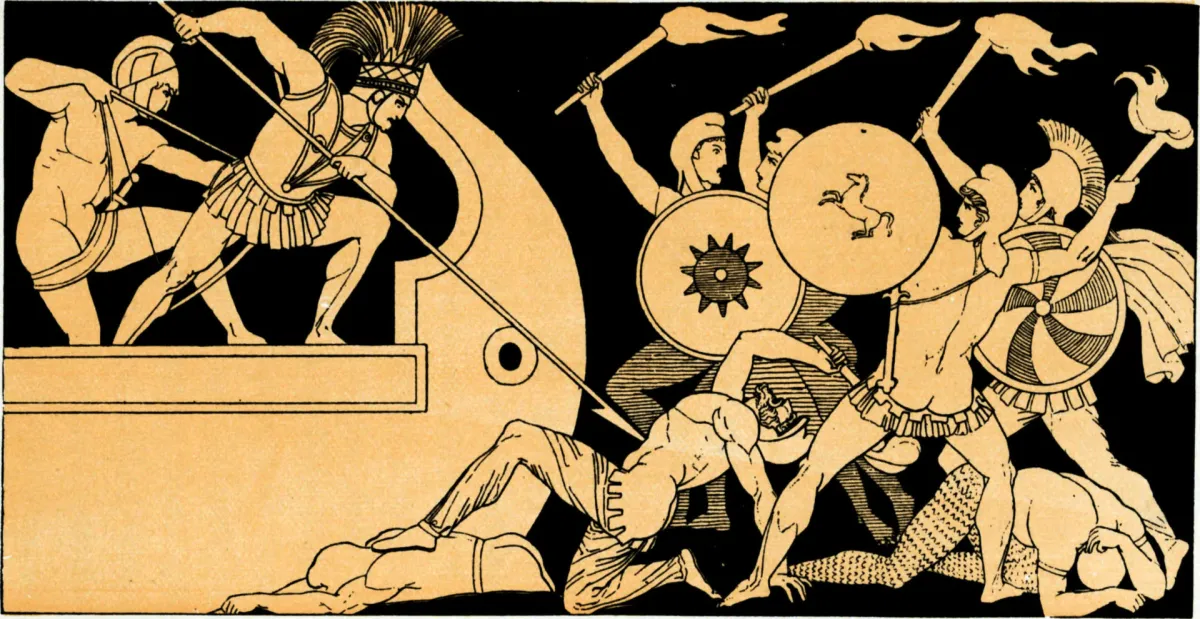
Greek kings gathered their armies.
The expedition sailed toward Troy.
The Greek Army
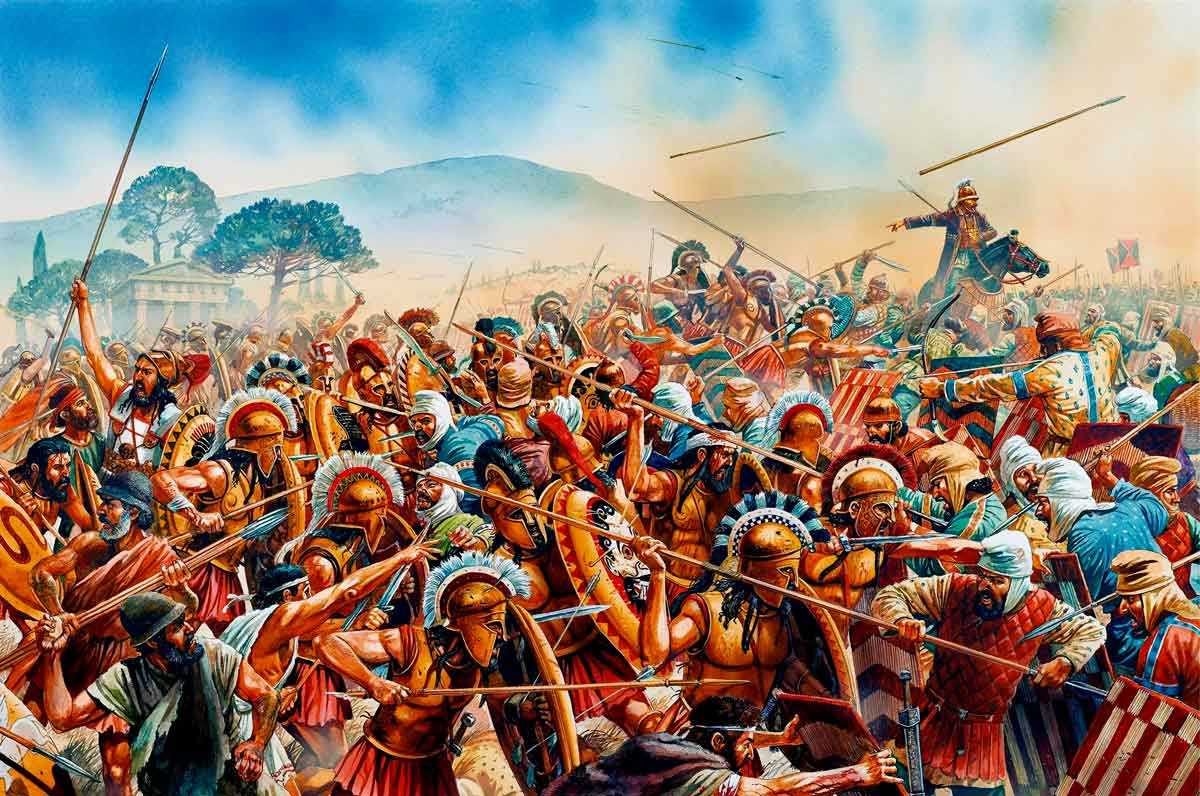
The Greek forces included famous heroes:
Achilles;
Odysseus;
Ajax;
Diomedes;
Nestor;
Menelaus;
Agamemnon.
Troy was defended by King Priam and his son Hector.
Achilles
Achilles became the greatest Greek warrior.
His conflict with Agamemnon temporarily removed him from the war.
This conflict forms the opening of Homer's Iliad.
Hector
Hector was Troy's greatest warrior.
Unlike Achilles, Hector is portrayed not only as a fighter but also as a husband, father, and son.
His death became one of the emotional turning points of the story.
The Fall of Troy
The Iliad does not tell the entire Trojan War.
It ends before Troy falls.
The famous Trojan Horse belongs to the wider tradition surrounding the war.
Greek warriors hid inside a wooden horse.
The Trojans brought it inside their city.
That night, the Greeks emerged and opened the gates.
Troy was destroyed.
Myth and Archaeology
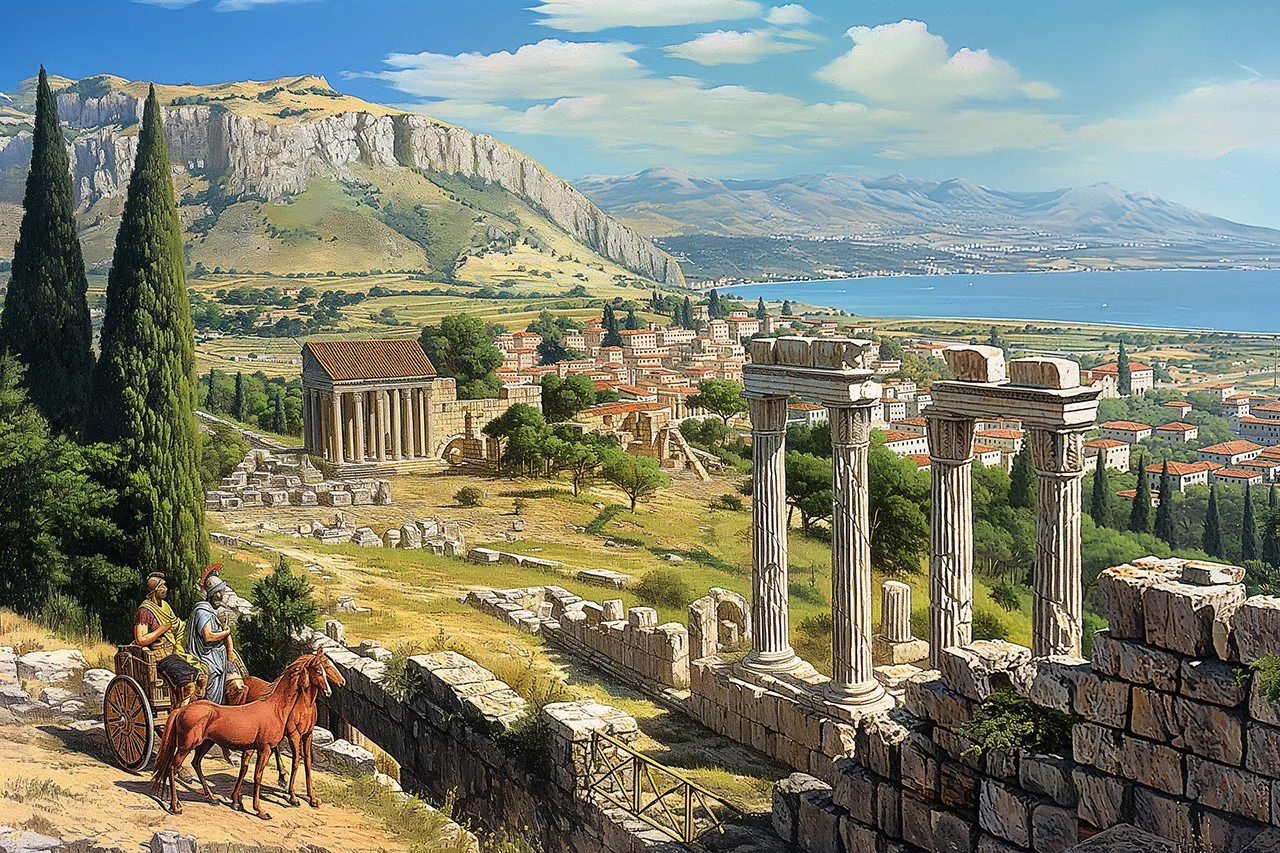
Archaeological excavations at Hisarlik in modern Turkey identified a major ancient settlement traditionally associated with Troy.
Several settlement layers existed at the site.
One or more layers show evidence of destruction during the Late Bronze Age.
However, archaeology cannot confirm the complete legendary story of Achilles, Helen, or the Trojan Horse.
Conclusion
The Trojan War occupies a fascinating space between mythology and history.
A real ancient city stood at Troy.
But the legendary war preserved by Greek poets transformed that place into the setting for one of humanity's greatest heroic stories.