• Home page/Blog
    • Ancient Greece
    • Archaeology
    • Mythology
    • Architecture
    • Artefact
    • Inventions
    • Tourism
    • News
    • Science
    • General
    • Weird
    • Recipes
    • Blog
  • About
  • Contact
Menu

GHD

  • Home page/Blog
  • History
    • Ancient Greece
    • Archaeology
    • Mythology
  • Art
    • Architecture
    • Artefact
    • Inventions
  • Travel
    • Tourism
  • Other
    • News
    • Science
    • General
    • Weird
    • Recipes
    • Blog
  • About
  • Contact
No results found

The Role of Fishermen in Greek Folklore

July 18, 2026

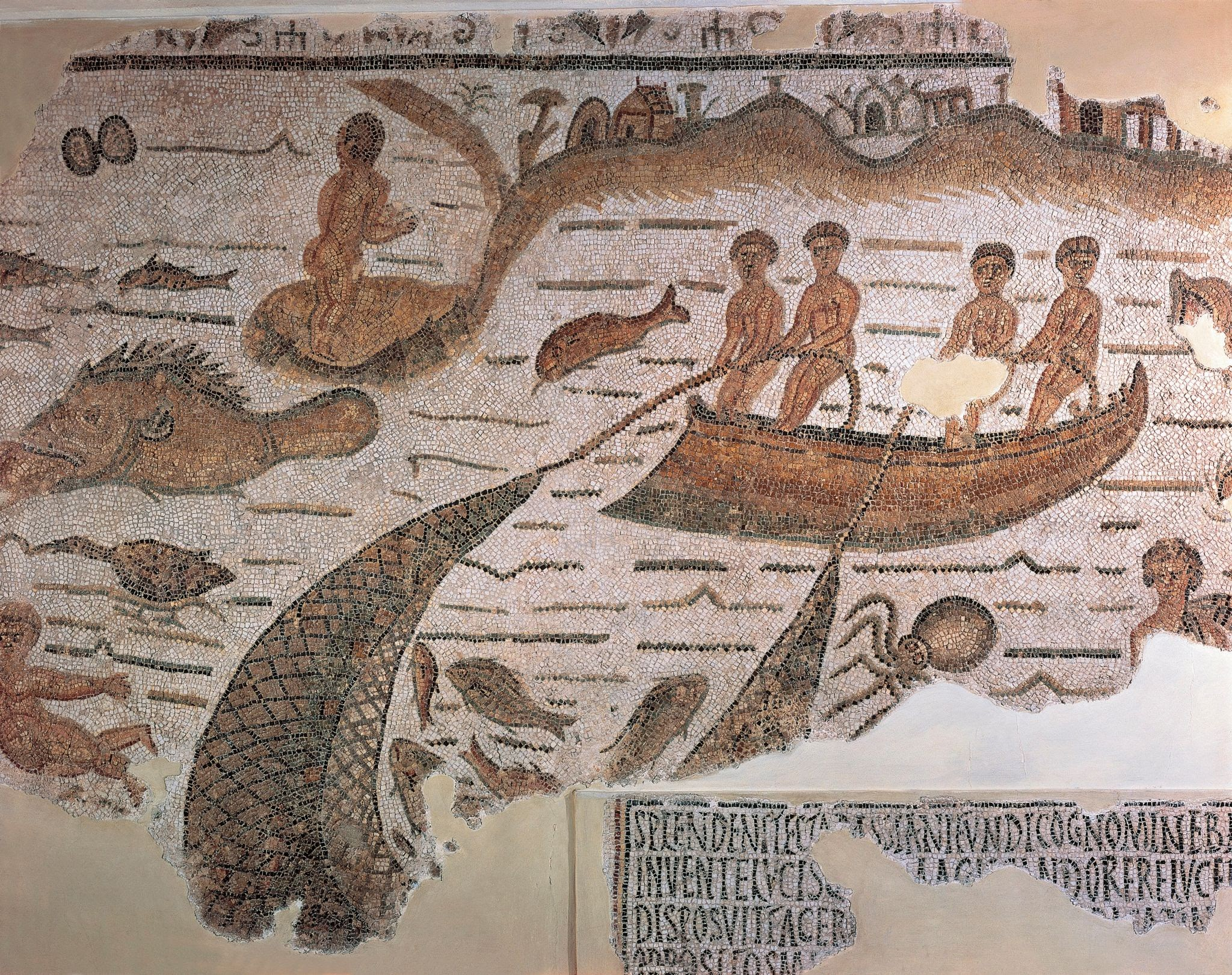
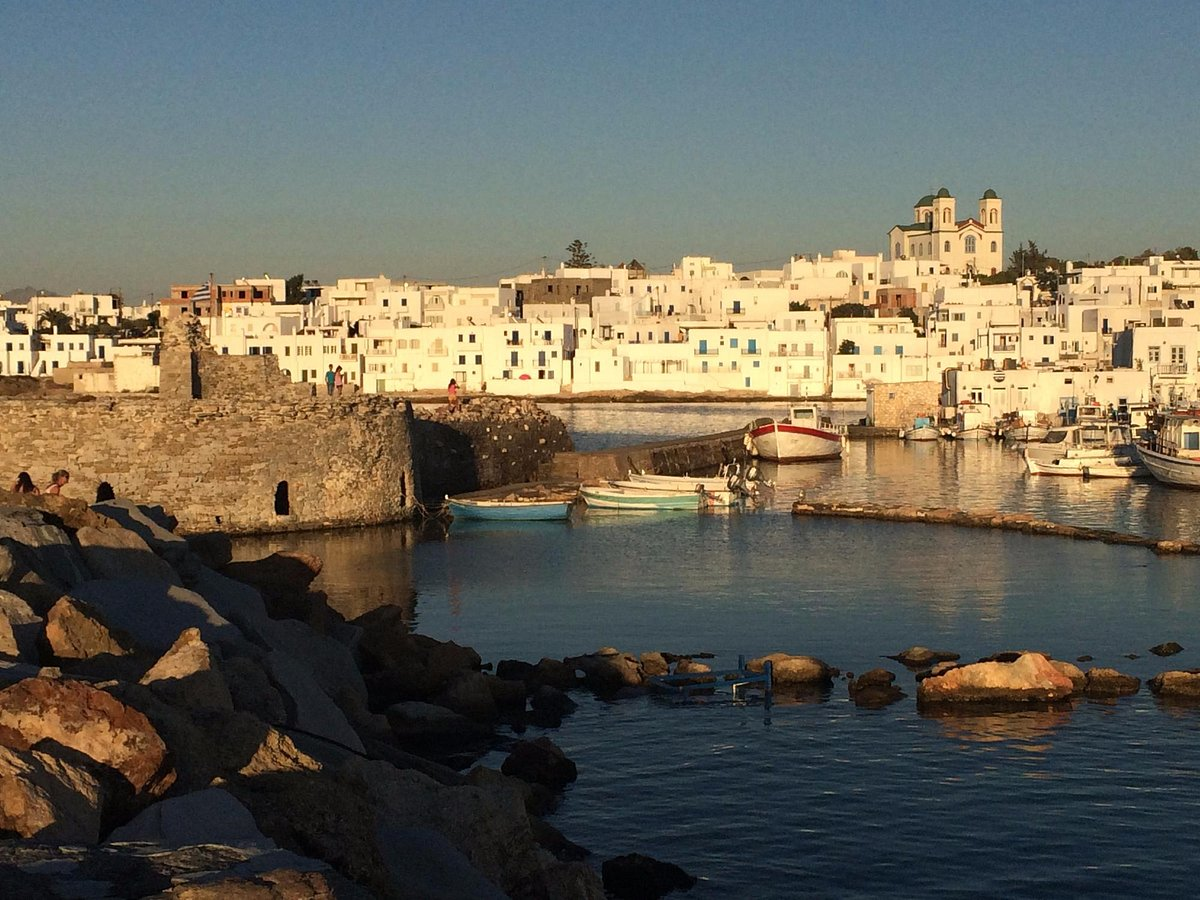
Despite Greece's vast coastline and maritime identity, fishermen (halieis) occupied a complex, dual space in ancient Greek culture. Unlike wealthy merchants or brave naval warriors, fishermen were viewed as impoverished, low-status laborers who endured exhausting work.

Yet, precisely because they operated on the edge of the dangerous, unpredictable open sea, fishermen became central figures in folklore, local myths, and religious rituals designed to calm the volatile forces of the deep.

Mythological Encounters and the Cult of Glaucus

In regional folklore, fishermen served as the literal and metaphorical link between the human world and the hidden world of the ocean gods. They were the individuals most likely to witness sea monsters (ketē), experience sudden storms sent by Poseidon, or catch unusual items in their nets.

A famous folkloric figure was Glaucus, who began life as a mortal fisherman in Boeotia. According to legend, he discovered a magical herb that restored dead fish to life; upon eating it himself, he was transformed into an immortal sea god with a seaweed beard, webbed hands, and a fish tail, becoming the patron deity and protector of distressed sailors and fishermen.

Fishermen also acted as interpreters of coastal omens. Finding a dolphin caught in a net was considered a terrible curse, prompting fishermen to stop work to give the animal a proper burial on the beach to avoid the wrath of Apollo Delphinios.

Their hazardous lifestyle generated unique prayers and offerings: before setting sail, fishermen routinely dedicated bronze hooks, lead net-sinks, and a portion of their initial catch to Poseidon or the local nymphs at seaside shrines, hoping to ensure safe passage and a full net.
← Newer Posts Older Posts →
Featured
image_2026-11-16_203011780.png
November 22, 2026
Archaic Tripods from Pella Satellite Shrines
November 22, 2026
Read more →
November 22, 2026
image_2026-11-16_204332119.png
November 22, 2026
Venetian Trade Seals in Naousa Cellars
November 22, 2026
Read more →
November 22, 2026
image_2026-11-16_204443029.png
November 22, 2026
Venetian Trade Seals in Naousa Cellars
November 22, 2026
Read more →
November 22, 2026
image_2026-11-16_204528092.png
November 22, 2026
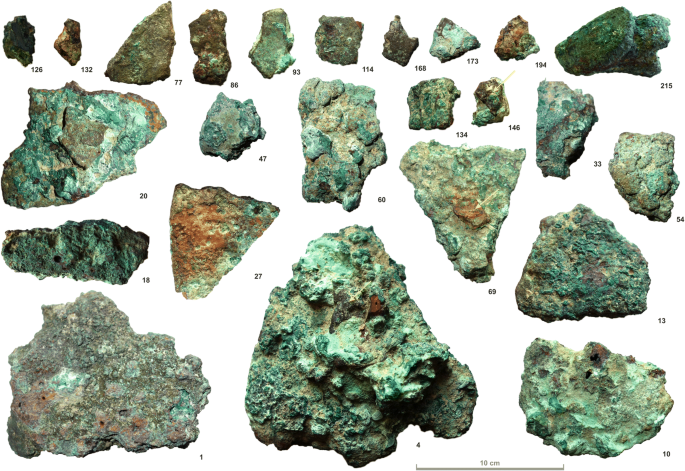
Bronze Age Copper Slags Near Chalkidiki Mines
November 22, 2026
Read more →
November 22, 2026
image_2026-11-16_204626612.png
November 22, 2026
Roman Legion Camps in Servia Valley
November 22, 2026
Read more →
November 22, 2026
image_2026-11-16_204712974.png
November 22, 2026
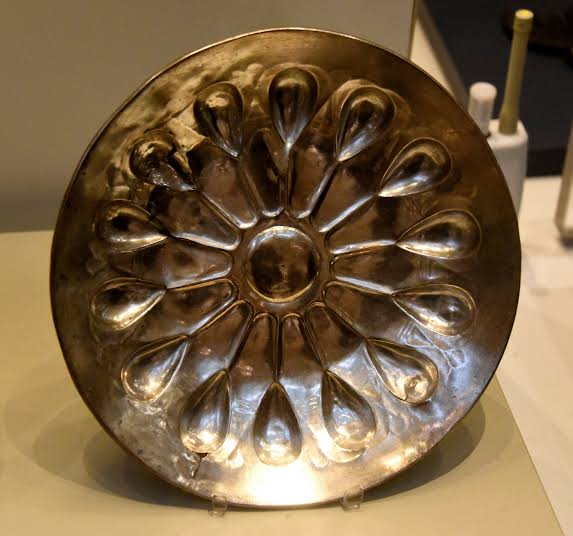
Epirote Silver Bowls in Ohrid Border Tombs
November 22, 2026
Read more →
November 22, 2026
image_2026-11-16_204802359.png
November 22, 2026
Byzantine Cloister Gardens in Meteora Foothills
November 22, 2026
Read more →
November 22, 2026
image_2026-11-16_204900598.png
November 22, 2026
Hellenistic Lyres from Dion Music Graves
November 22, 2026
Read more →
November 22, 2026
SEE MORE

Powered by ©GreeceHighDefinition / Privacy Policy