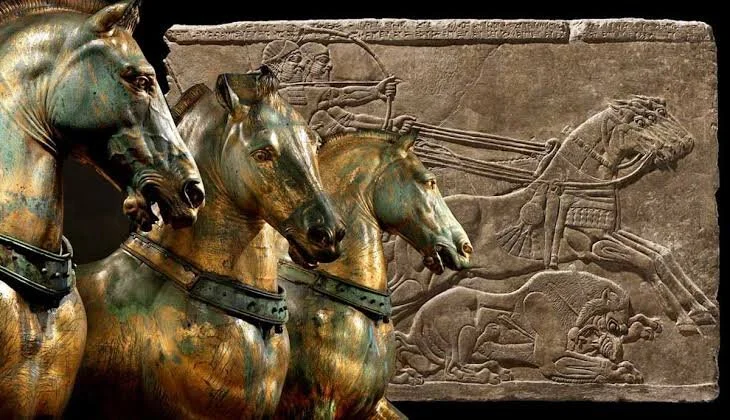
How Ancient Greece Turned Horses Into Weapons of War
In the ancient Greek world, the horse was more than an animal.
It could represent wealth.
Status.
Mobility.
Prestige.
And in certain military contexts, it could become a weapon of war.
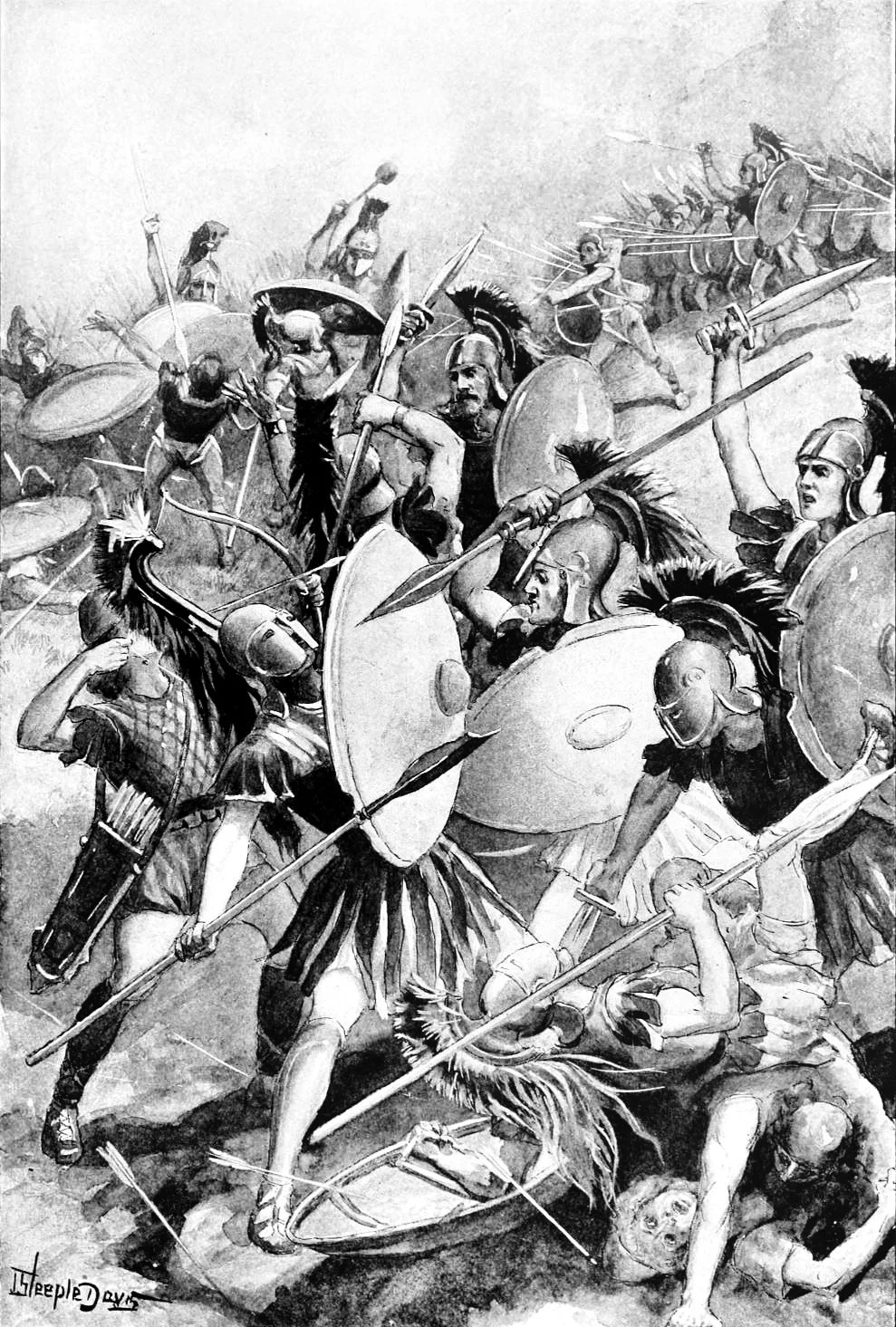
Greek cavalry did not operate exactly like the heavily armored medieval knights familiar from later European history. Ancient Greek warfare was shaped primarily by infantry, especially the heavily armed hoplite. Nevertheless, horses played an important role in reconnaissance, pursuit, skirmishing, communication, elite status, and later military developments.
Greek societies developed extensive knowledge of horse care and training, and ancient texts—particularly those associated with Xenophon—provide important evidence for Greek horsemanship.
Horses and the Greek Elite
Maintaining horses was expensive.
An owner needed access to:
Grazing land.
Feed.
Stables.
Equipment.
Trained personnel.
Because of these costs, horse ownership was often associated with wealthy families.
In Athens, cavalry service could therefore be connected with economic status.
The ability to maintain a horse demonstrated resources.
Breeding for Different Purposes
Ancient Greeks valued horses for different activities.
A horse might be used for:
Riding.
Racing.
Chariot competition.
Cavalry.
Transportation.
Breeding was influenced by physical characteristics.
Owners likely valued:
Strength.
Sound legs.
Endurance.
Temperament.
Speed.
The ideal military horse needed more than speed.
It had to remain controllable in stressful environments.
Xenophon and the Science of Horsemanship
One of the most important surviving Greek sources on horses is Xenophon's On Horsemanship.
Xenophon discussed how to evaluate and care for horses.
His observations demonstrate close attention to anatomy and behavior.
He advised examining physical features and considering the health and quality of the animal.
His work is remarkable because it emphasizes skillful management rather than simply forcing an animal into obedience.
Training the Horse
A cavalry horse needed to become accustomed to human commands.
Training could involve:
Walking.
Trotting.
Turning.
Stopping.
Responding to rein pressure.
Remaining calm around noise and movement.
A war environment could be terrifying.
The horse might encounter:
Shouting.
Weapons.
Other animals.
Running soldiers.
Sudden movement.
A poorly trained animal could panic.
Therefore, discipline was essential.
The Rider and the Horse as a Unit
Ancient cavalry depended heavily on the relationship between rider and animal.
The rider needed balance.
He needed control.
He had to understand the horse's movement.
Ancient riding equipment differed from modern saddles.
The absence of some later technologies meant that balance and skill were particularly important.
Greek Cavalry in Battle
Cavalry could perform multiple functions.
They might:
Scout enemy positions.
Protect flanks.
Pursue retreating troops.
Harass opposing forces.
Carry messages.
The exact role varied between Greek states and historical periods.
Cavalry became increasingly significant during later Greek and Macedonian warfare.
The Macedonian Transformation
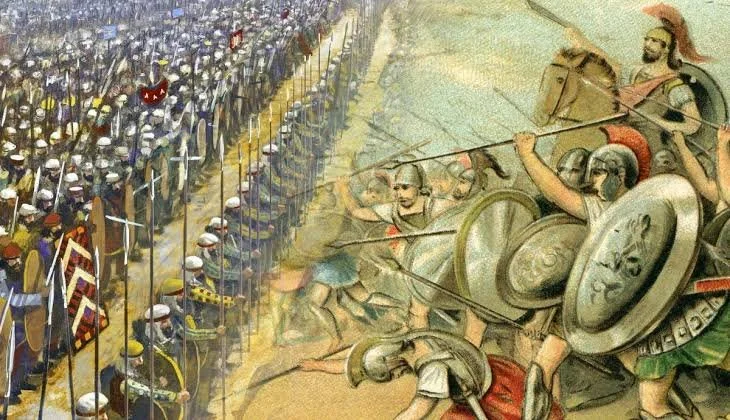
Under Philip II and Alexander the Great, cavalry became a major component of Macedonian military strategy.
The famous Companion Cavalry served as an elite force.
Rather than simply attacking independently, cavalry could cooperate with infantry formations.
This combination of arms became one of the major strengths of Macedonian warfare.
Alexander's Horse: Bucephalus
The most famous horse associated with the ancient Greek world is Bucephalus, the horse of Alexander the Great.
Ancient traditions describe Alexander's ability to master the animal.
Whether every detail of the later story is historically exact or not, Bucephalus became a symbol of the relationship between warrior and horse.
The story reflects the cultural importance of skilled horsemanship.
Horse Care
A valuable horse required continuous care.
Ancient owners had to monitor:
Hooves.
Diet.
Injuries.
Fatigue.
Grooming.
Military effectiveness depended on animal health.
An exhausted horse could not perform.
A wounded horse could remove a cavalryman from battle.
The Horse as a Status Symbol
Even outside war, horses were associated with elite identity.
Equestrian imagery appeared in art.
Horse racing was prestigious.
Victorious owners could gain fame.
The Olympic Games included major equestrian events, including chariot racing.
In these competitions, the owner—not necessarily the rider—could receive recognition.
Why Greek Horsemanship Matters
Greek horse training combined observation, practical experience, and military necessity.
The Greeks did not create a single universal system used everywhere.
Different regions and periods developed different traditions.
But surviving evidence demonstrates a sophisticated understanding of animal behavior.
A horse was not simply forced to move.
It had to be trained.
Conditioned.
Maintained.
And trusted.
In war, the horse could carry a soldier into danger.
But survival depended on whether the rider had learned the ancient lesson emphasized by skilled horsemen for centuries:
A powerful animal is only useful when communication exists between horse and human.