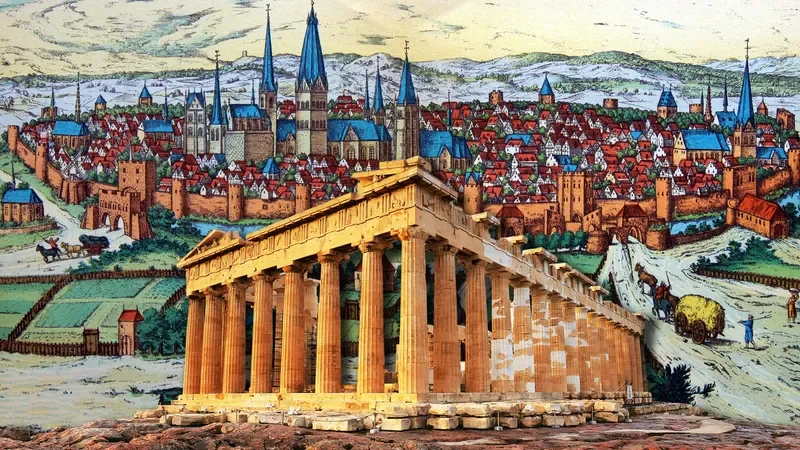
Greece's history unfolds through the legacies of its rulers, whose visionary leadership, military prowess, and cultural patronage profoundly influenced Western civilization. From the Bronze Age monarchs immortalized in Homeric epics to the modern kings who navigated independence and nation-building, this timeline traces the evolution of Greek governance across millennia. Each era reflects shifts in power—from centralized kingdoms to city-state democracies, expansive empires, and constitutional monarchies—while highlighting how these leaders shaped politics, philosophy, art, and law.
Mycenaean Period (c. 1600–1100 BCE)
The Mycenaean civilization, Europe's first advanced palatial society, flourished on the Greek mainland with powerful warrior-kings ruling fortified citadels like Mycenae, Pylos, and Sparta. Evidenced by Linear B tablets and grand tholos tombs, these rulers commanded palace economies centered on trade, agriculture, and warfare. Their myths, preserved in Homer's epics, blend history with legend, portraying them as larger-than-life figures amid the collapse that ushered in the Greek Dark Ages.
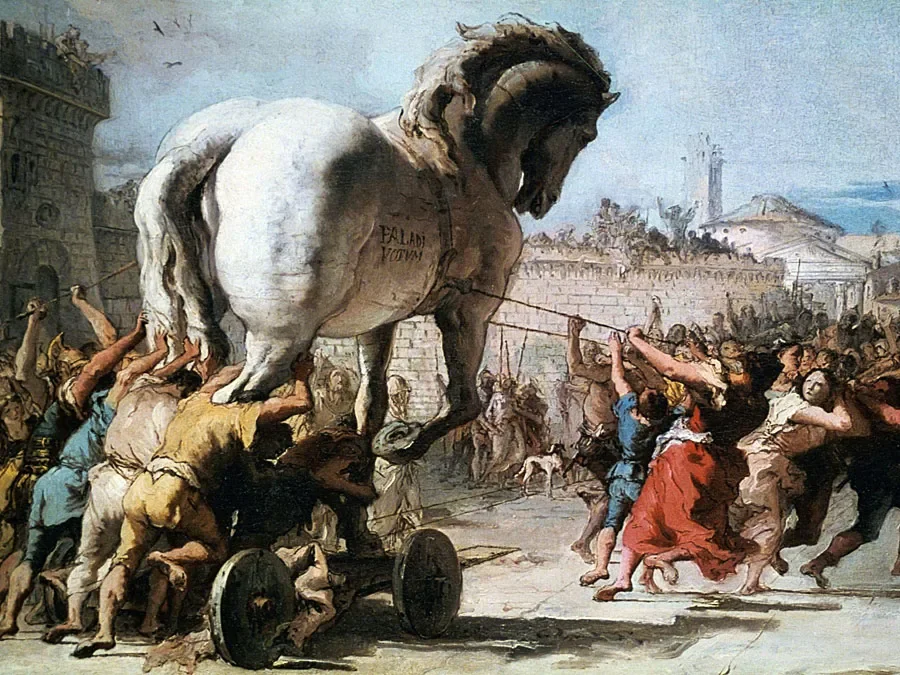
Agamemnon, King of Mycenae (c. 14th–13th century BCE): Legendary high king of the Achaeans, Agamemnon orchestrated the Trojan War coalition against Troy, as detailed in Homer's Iliad. His Mycenaean citadel, with its Lion Gate and vast wealth, symbolized Bronze Age power. His tragic downfall—murdered by his wife Clytemnestra upon return—epitomizes hubris and familial strife, influencing Greek tragedy.
Menelaus, King of Sparta (c. 14th–13th century BCE): Husband of the beautiful Helen, whose abduction by Trojan prince Paris ignited the Trojan War. Ruling from the palace at Sparta (excavated by archaeologist Hector Williams), Menelaus embodied Mycenaean diplomacy and vengeance, reclaiming Helen after a decade of conflict.
Nestor, King of Pylos (c. 14th–13th century BCE): The sage elder of Homeric lore, Nestor advised at Troy with wisdom honed by surviving multiple generations. His Linear B-archived palace, destroyed c. 1200 BCE, reveals a bureaucratic hub managing olive oil, textiles, and bronze weapons.
Odysseus, King of Ithaca (c. 13th century BCE): The resourceful polytropos (man of many turns) whose 10-year odyssey home, chronicled in Homer's Odyssey, showcases cunning over brute force. His island kingdom, identified with modern Ithaki, highlights seafaring Mycenaean networks across the Mediterranean.
Archaic and Classical Greece (c. 800–323 BCE)
The Archaic period saw the polis (city-state) emerge from Dark Age fragmentation, evolving into democracies like Athens or oligarchies like Sparta. Kings persisted in select regions, blending military command with religious duties amid Persian threats and inter-polis rivalries.
Sparta: Dual Kingship (c. 8th century BCE onward)
Sparta's dyarchy—one king from the Agiad line (religious focus), one from the Eurypontid (military)—ensured checks on power in a warrior society.
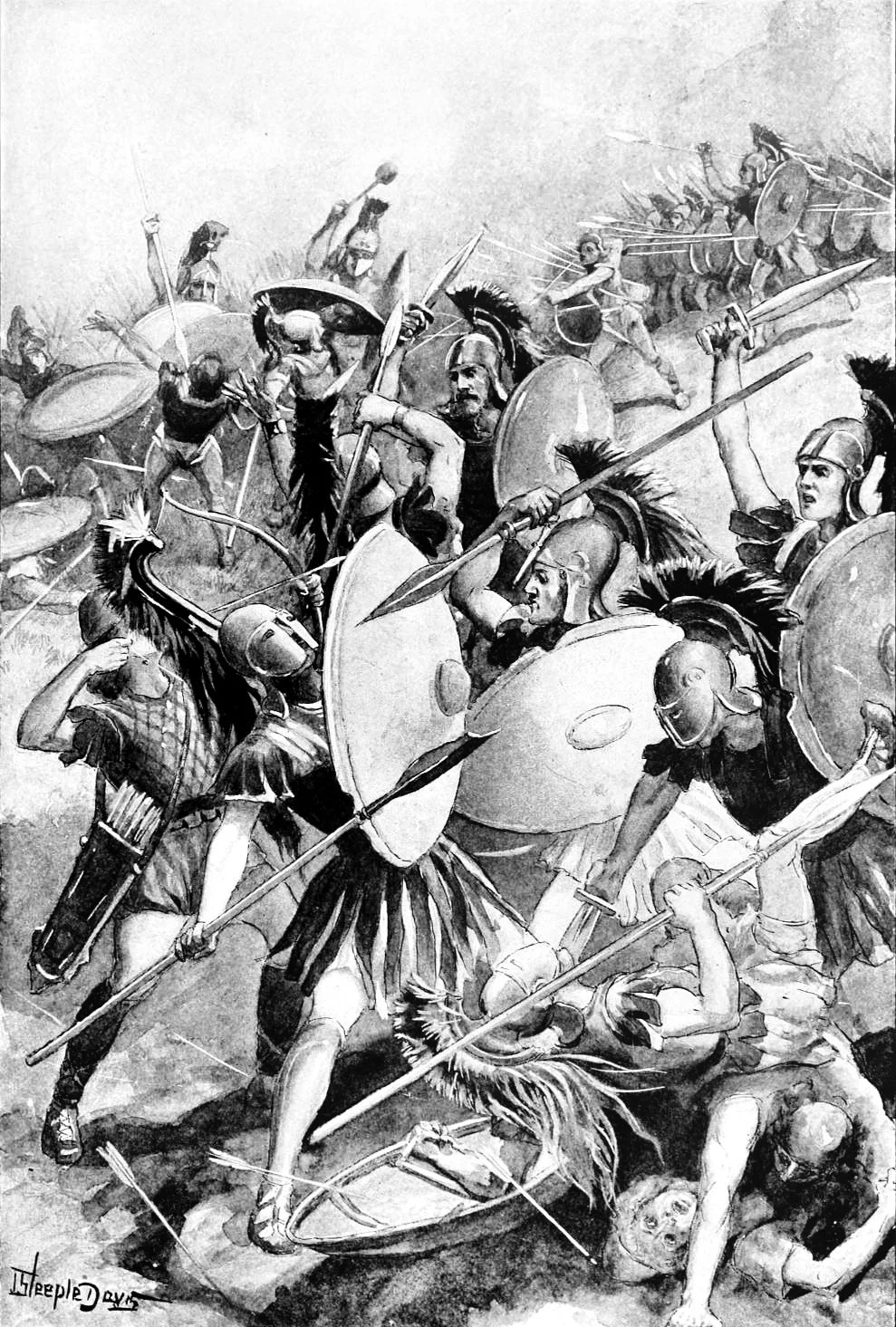
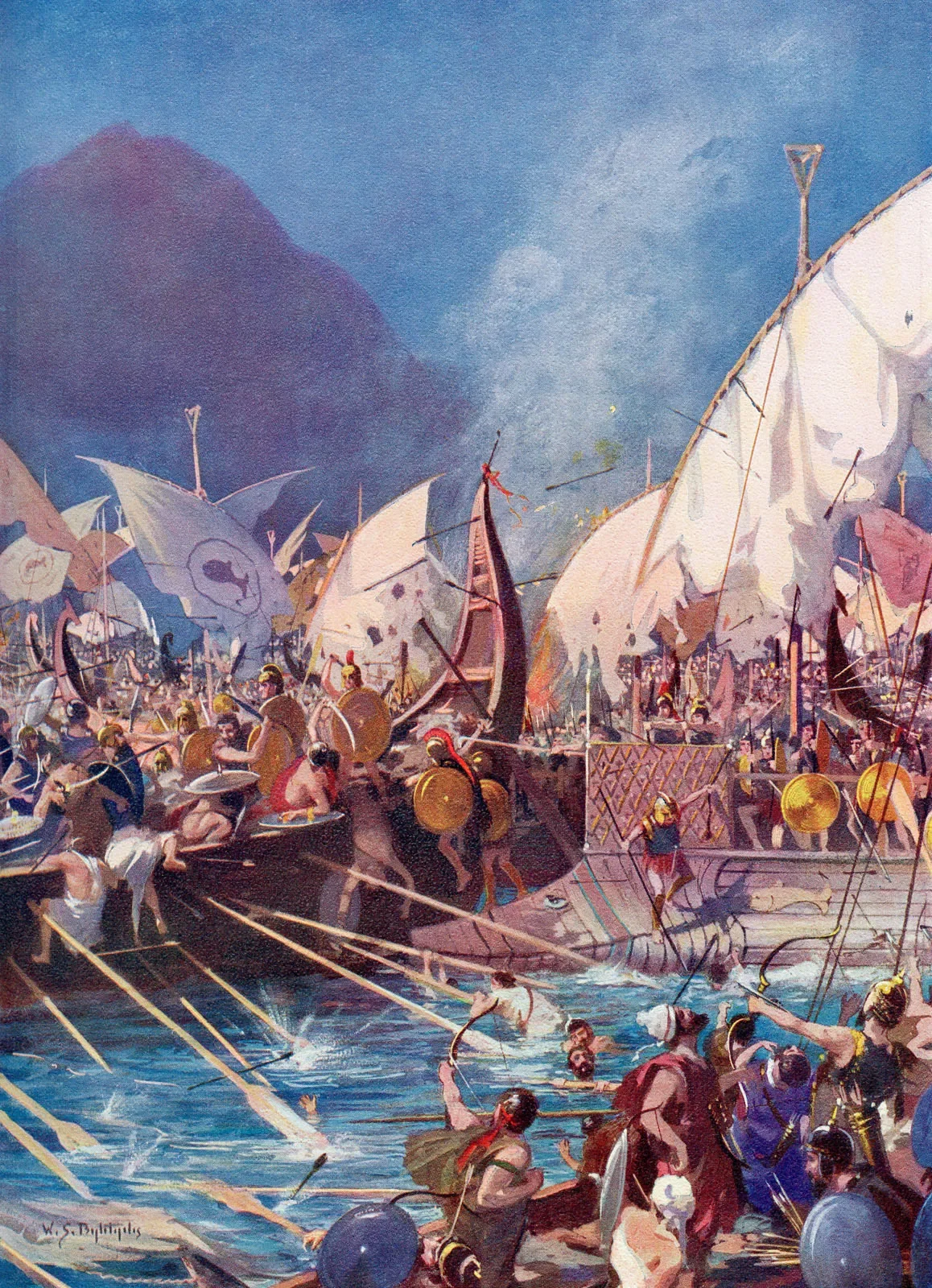
Leonidas I, Agiad King (r. 490–480 BCE): Immortalized for the 480 BCE stand at Thermopylae, where 300 Spartans (plus allies) delayed Xerxes' Persian invasion. Herodotus praises his sacrifice, which bought time for Greek naval victory at Salamis, cementing Spartan valor.
Agesilaus II, Eurypontid King (r. 400–360 BCE): A limping but tenacious commander, he led Sparta to hegemony post-Peloponnesian War (431–404 BCE), campaigning in Asia Minor against Persia and quelling Theban revolts. His reign marked Sparta's imperial zenith before decline at Leuctra (371 BCE).
Macedon: Argead Dynasty
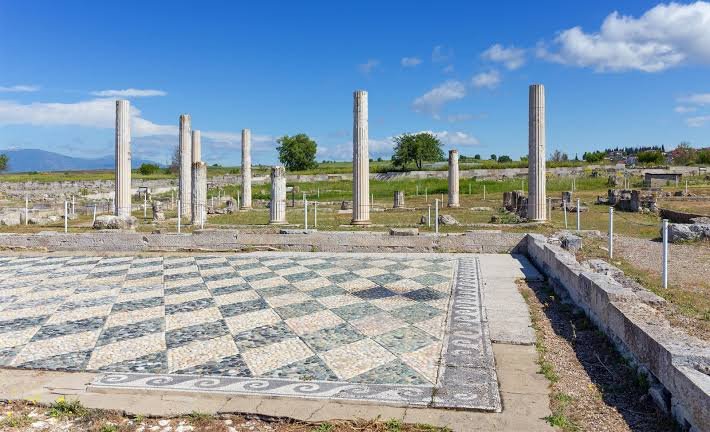
Northern Macedonia transitioned from tribal fringes to pan-Hellenic powerhouse under the Argeads, claiming descent from Heracles.
Perdiccas I (legendary founder, c. 7th century BCE): Mythic unifier of Macedonian tribes, establishing the dynasty that endured until 310 BCE. His legacy laid groundwork for expansion.
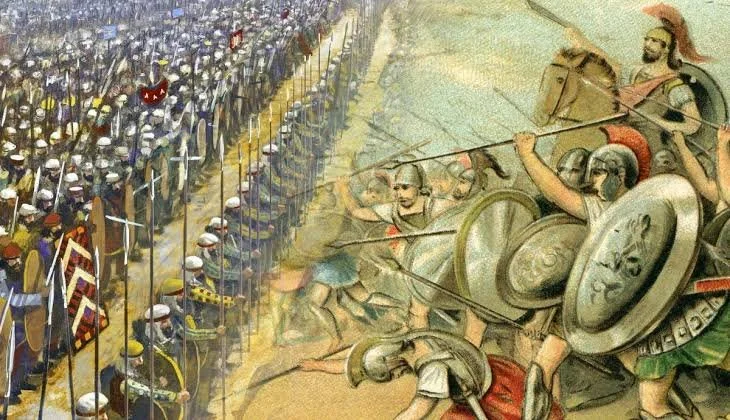
Philip II (r. 359–336 BCE): Master diplomat and innovator (long sarissa pike, professional army), Philip conquered Thrace, Thessaly, and crushed Thebes at Chaeronea (338 BCE), forming the League of Corinth. Assassinated amid plots, he groomed his son for empire.
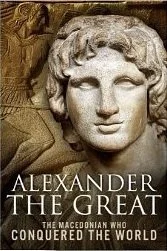
Alexander III (the Great) (r. 336–323 BCE): Conquering from Greece to India in 13 years, Alexander defeated Darius III at Issus (333 BCE) and Gaugamela (331 BCE), founding 70+ cities (e.g., Alexandria). His Hellenistic fusion of Greek and Eastern cultures endured centuries, though his death sparked fragmentation.
Hellenistic Period (323–31 BCE)
Alexander's successors (Diadochi) carved his empire into kingdoms, blending Greek paideia with local customs amid wars of succession.
Macedonia (Antipatrid and Antigonid Dynasties)
Antipater (regent 323–319 BCE): Alexander's marshal crushed Lamian War rebels, stabilizing Macedon as regent. His "old guard" conservatism contrasted youthful Diadochi ambitions.
Cassander (r. 305–297 BCE): Son of Antipater, he executed Alexander IV, refounded Thessaloniki (c. 315 BCE) as a trade hub, and controlled Greece until Antigonid rivalry.
Demetrius I Poliorcetes (r. 294–287 BCE): "Besieger of Cities" for feats like Rhodes' walls (305 BCE), he pioneered naval artillery but lost at Ipsus (301 BCE). Father of Antigonus II.
Epirus: Aeacid Dynasty
Pyrrhus (r. 297–272 BCE): Charismatic warrior-king who invaded Italy (280–275 BCE), winning at Heraclea and Ausculum against Rome at huge cost—coining "Pyrrhic victory." His exploits briefly expanded Epirus before Roman backlash.
Roman and Byzantine Periods (146 BCE–1453 CE)
Conquered by Rome after Corinth's sack (146 BCE), Greece became the cultural heart of the Empire, then Byzantium—a "Greek" continuation with Orthodox Christianity and Greek as lingua franca.
Constantine I (r. 306–337 CE): Roman emperor who legalized Christianity (Edict of Milan, 313 CE) and refounded Byzantium as Constantinople (330 CE), bridging pagan Rome and Christian Byzantium with Greek intellectual revival.
Justinian I (r. 527–565 CE): "Last Roman," he reconquered Italy, North Africa via Belisarius; codified law in the Corpus Juris Civilis (529–534 CE), influencing modern jurisprudence. Hagia Sophia's dome exemplifies his architectural patronage amid plague and Nika riots.
Modern Greece (1832–1974)
Emerging from 400 years of Ottoman rule via the War of Independence (1821–1830), Greece adopted a Bavarian monarchy under Western great powers' guarantee, evolving into a constitutional kingdom until the 1967–1974 junta and 1974 referendum abolished it.
House of Wittelsbach
Otto I (r. 1832–1862): Bavarian prince imposed as Greece's first king; built Athens but clashed with liberals, leading to his 1862 deposition. His reign centralized the state amid bankruptcy.
House of Glücksburg (Danish origin)
George I (r. 1863–1913): Assimilated Dane who doubled territory via Balkan Wars (1912–1913), fostering irredentism (Megali Idea). Assassinated by anarchist; oversaw economic modernization.
Constantine I (r. 1913–1917, 1920–1922): "Soldier King" favored neutrality in WWI, clashing with Venizelos; Asia Minor Catastrophe (1922) forced abdication. Pro-German stance divided Greece.
Alexander (r. 1917–1920): George I's son; monkey bite led to sepsis death amid Venizelist rule and territorial gains.
George II (r. 1922–1924, 1935–1947): Exiled multiple times; restored post-Metaxas dictatorship, led WWII resistance (1940–1941 Italian/German invasion), but civil war (1946–1949) marked his era.
Paul (r. 1947–1964): Stabilized post-war Greece via Marshall Plan aid, NATO entry (1952), and tourism boom. Promoted U.S. ties amid Cold War.
Constantine II (r. 1964–1973): Youthful king who opposed 1967 junta, attempted 1967 counter-coup, exiled after 1973 referendum. Monarchy abolished 1974; lives in exile, title disputed.
This timeline underscores Greece's enduring thread of resilient leadership, from mythic heroes to democratic pioneers. For deeper dives, explore Herodotus, Thucydides, or sites like the Acropolis Museum.