Ancient Greece is often regarded as the birthplace of democracy, and its political ideas continue to shape modern governance. Core principles such as citizen participation, the rule of law, and individual freedoms were pioneered by Greek city-states—particularly Athens—and remain foundational to democratic systems worldwide.
This article explores how ancient Greek political ideals influenced modern democratic values in areas like government structure, civic responsibility, and the pursuit of justice.
1. Athenian Democracy: The Blueprint for Modern Governance
Origins and Principles
The Athenian democracy, established in the 5th century BCE, introduced:
Direct citizen participation in decision-making
Majority rule as the basis for policy decisions
Accountability and checks on power
Public debate and open discussion
While ancient democracy was limited—excluding women, slaves, and non-citizens—it laid the foundation for the representative democracies we see today.
Modern Parallels
Direct and Representative Democracy:
Ancient Athens practiced direct democracy, where citizens voted on laws directly—similar to modern referendums and town hall meetings.
Today’s representative democracies (e.g., the U.S., U.K., and European nations) expand on Greek ideas by electing officials to govern on behalf of the people.
Constitutional Government:
The U.S. Constitution and European democratic frameworks are inspired by Greek principles of balanced governance and citizen rights.
Public Debate & Free Speech:
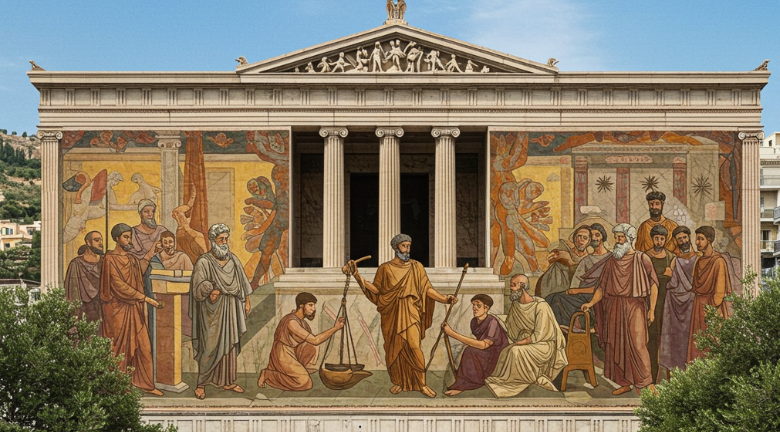
The Athenian Agora (public forum) allowed for open discussions, much like modern parliaments, media, and public discourse platforms.
2. The Greek Concept of Justice: Law and Equality
Solon’s Reforms and the Rule of Law
Solon (6th century BCE) introduced legal reforms in Athens that emphasized:
Equal access to justice for all citizens
A fair judicial system with appeals
Laws that protected individuals from tyranny
These principles influenced later Roman law and, by extension, modern legal systems based on equal rights, due process, and fairness.
Modern Parallels
Rule of Law & Constitutional Rights:
Modern legal frameworks, such as the U.S. Bill of Rights and European legal codes, uphold Greek-inspired values of justice, legal protection, and equality under the law.
Separation of Powers:
The division of government (executive, legislative, and judicial)—seen in many modern states—mirrors ancient Greek efforts to prevent concentrated power.
Trial by Jury:
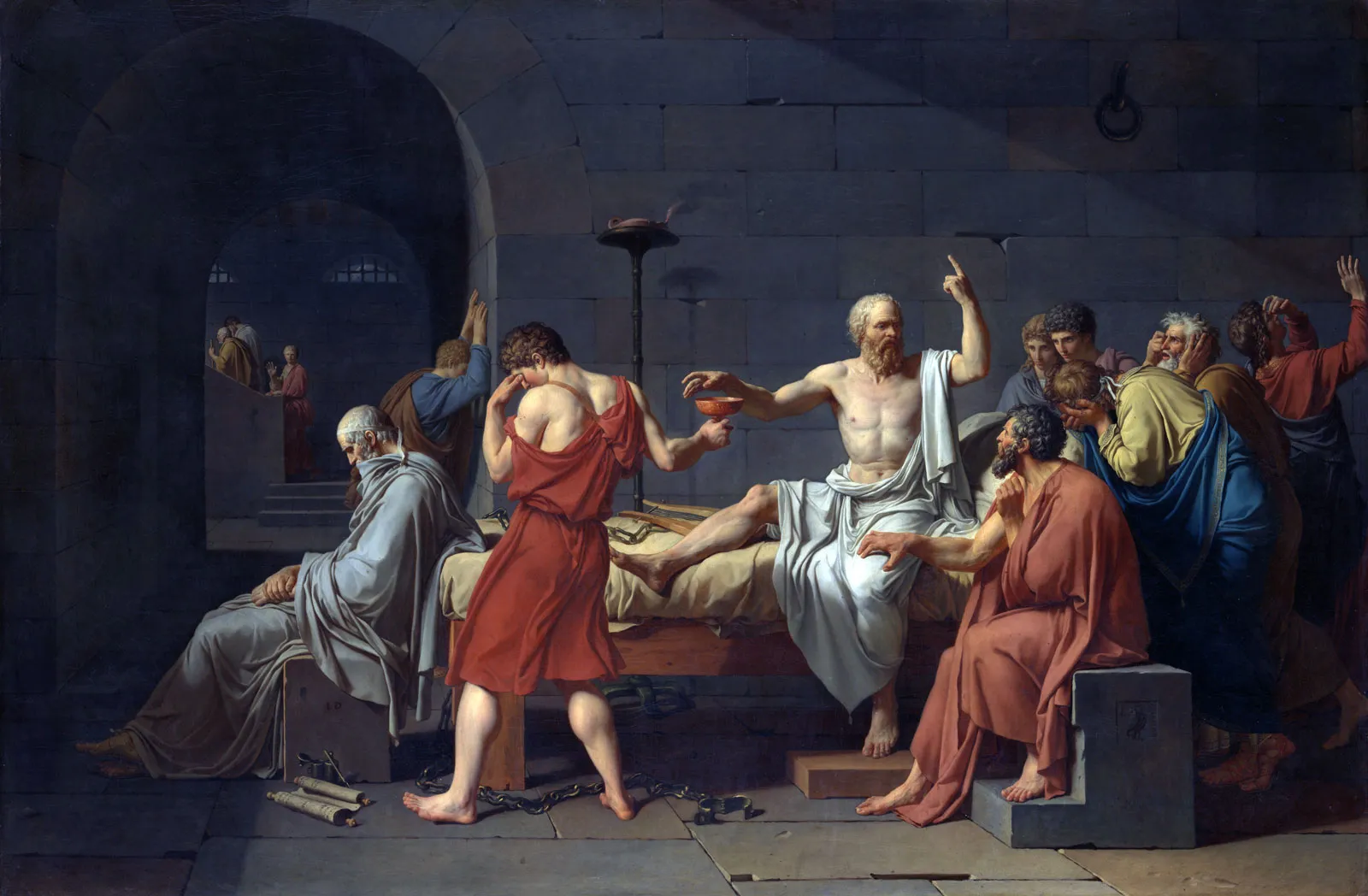
Ancient Athens introduced jury trials, where randomly selected citizens judged cases—an idea central to modern judicial systems.
3. Civic Duty and Political Participation
Greek Ideals of Citizenship
In Athens, citizenship was a privilege and a responsibility. Participation in politics was seen as a moral duty, not just a right. Key values included:
Active civic engagement in governance
Serving on juries and in public offices
Holding leaders accountable
Modern Parallels
Democratic Engagement:
The Greek belief in civic duty continues in modern voting rights, public service, and activism.
Accountability of Leaders:
Just as Athenians had mechanisms like ostracism (exiling corrupt leaders), modern systems allow for impeachment, recalls, and transparency laws.
Civic Education:
Education in ancient Greece aimed to create informed, responsible citizens, a goal mirrored in modern democratic societies that emphasize civic literacy.
Conclusion: A Legacy That Endures
The political ideals of freedom, justice, and civic duty developed in ancient Greece continue to shape modern democracies. From the U.S. Constitution to the European Union’s legal principles, Greek political thought remains a guiding force in the pursuit of equality, human rights, and responsible governance.
While the world has evolved beyond the limitations of ancient democracy, the core values of participation, justice, and liberty remain as relevant today as they were over 2,500 years ago.