Greek Sun
At an altitude of 1,200 meters, standing proudly above the ravines of Mount Mainalo, lies the historic village of Limbovisi. A settlement with only five houses, all abandoned, yet carrying a legacy of heroism. This is the birthplace of great warriors, and among them, Theodoros Kolokotronis, whose ancestral home still stands.
Visitors to this place cannot help but feel a deep sense of reverence. Here, history comes alive, inviting them on a journey through time, woven with the memories of this sacred ground.
The Home of the Kolokotronis Family
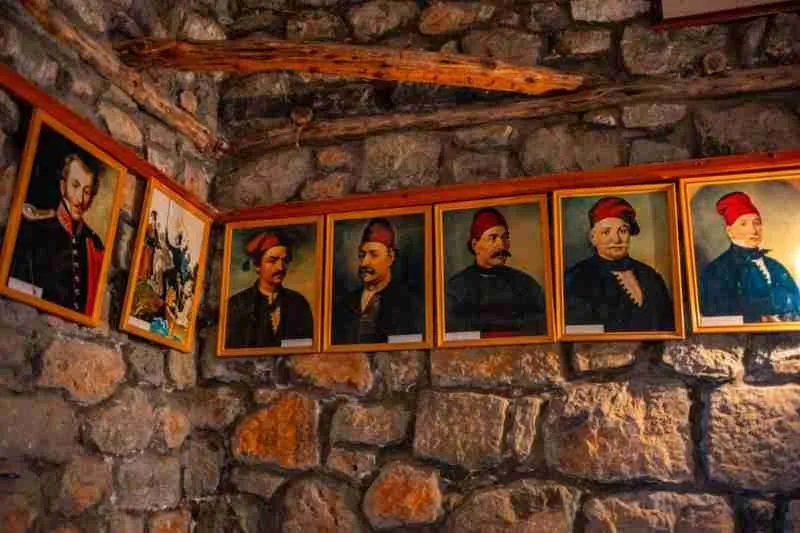
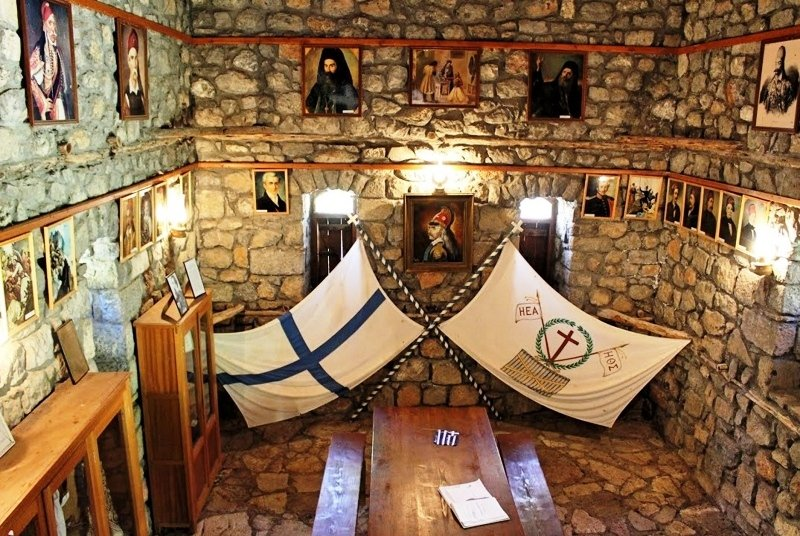
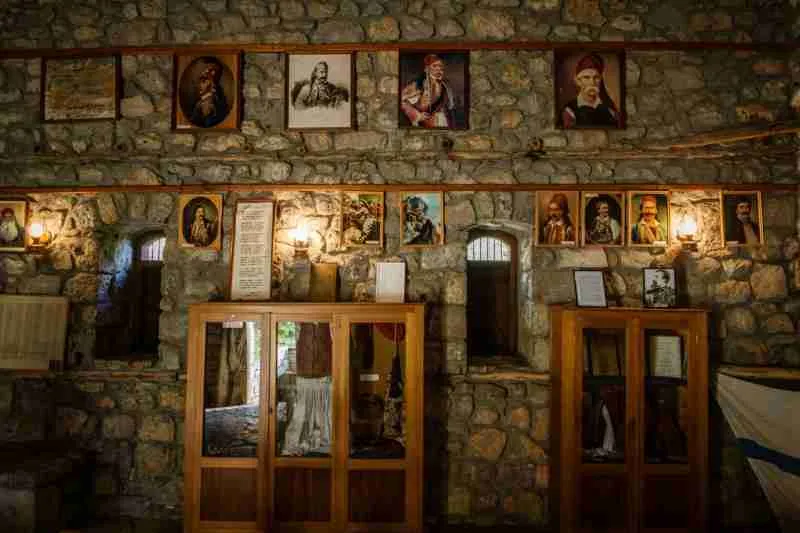
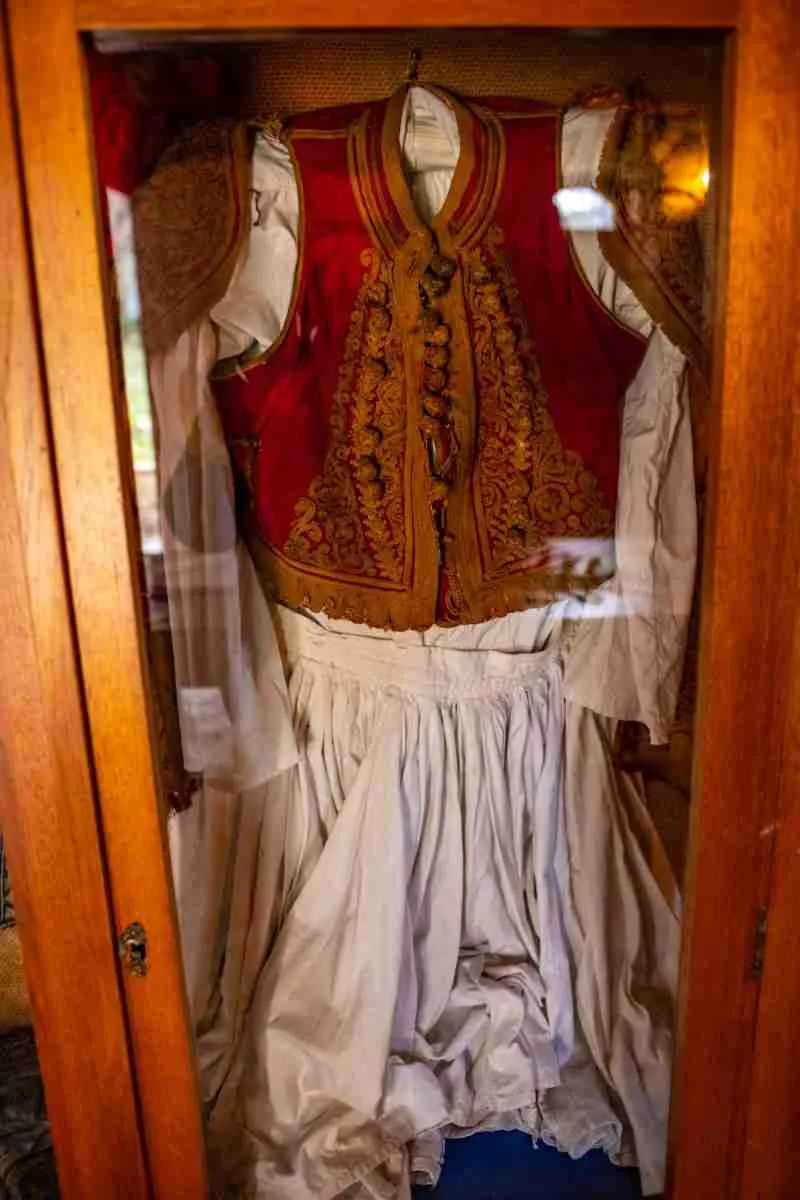
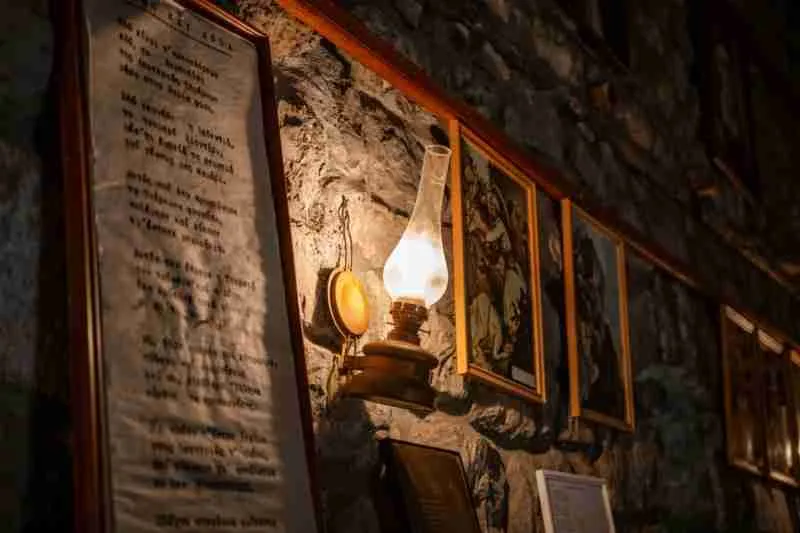
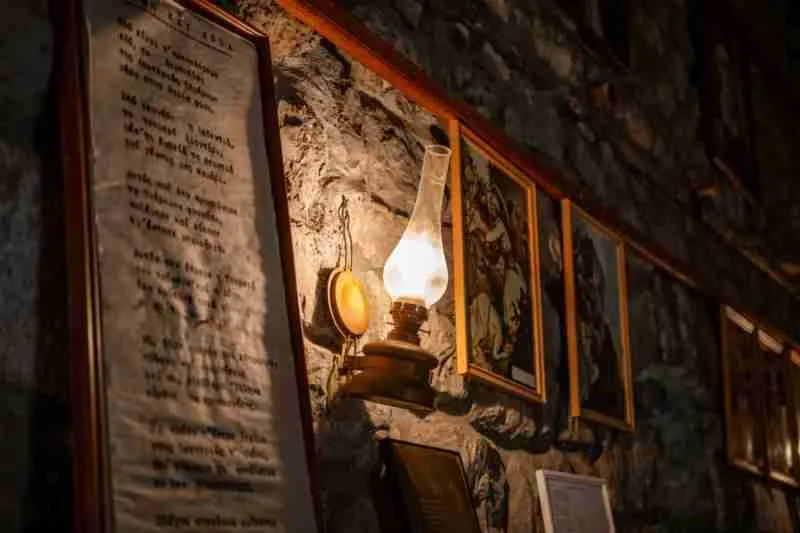
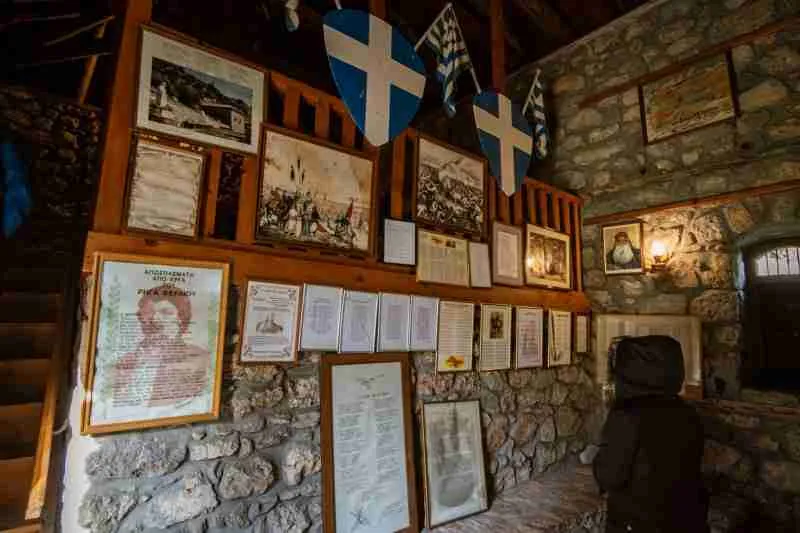
The centerpiece of Limbovisi is the meticulously reconstructed home of the Kolokotronis family, now a museum dedicated to their legacy and the Greek War of Independence of 1821. This faithful replica of a traditional Kolokotronis-style home stands beside the ruins of the original house where Theodoros Kolokotronis was raised.
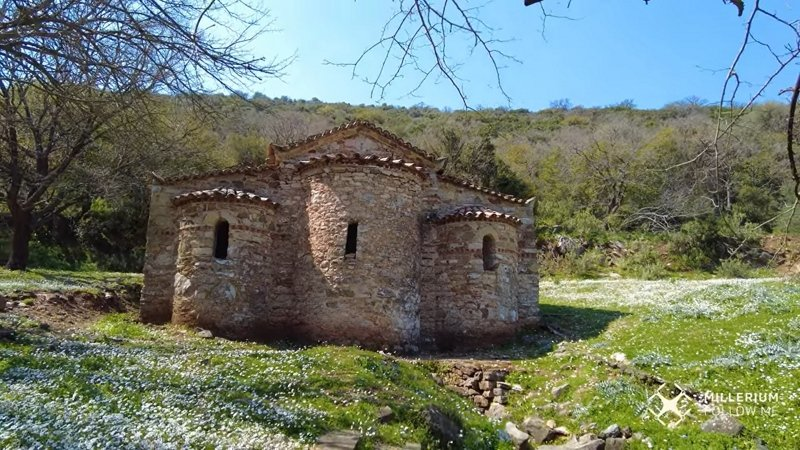
The surrounding area has been carefully restored, including the Church of Saint John (Agios Ioannis), which once served as a spiritual refuge for the legendary "Old Man of the Morea." In the village square, visitors can find natural springs, adding to the tranquil yet solemn atmosphere.
The Birthplace of the Great General
Theodoros Kolokotronis was born in Ramovouni (or Romiovouni), a small mountain near the villages of Mila and Vasiliko in Messinia. The very name of the mountain signifies a land inhabited solely by Greeks.
In his memoirs, Kolokotronis himself recounts:
"I was born in 1770, on April 3rd, the Monday after Easter. The Peloponnesian uprising had taken place the year before, in 1769. I was born under a tree, on a mountain called Ramovouni in old Messinia. My father was a leader of the armatoloi in Corinth, where he stayed for four years before fleeing to Mani, from where he would launch attacks against the Turks."
Kolokotronis was the son of the chieftain Konstantinos Kolokotronis from Limbovisi and Georgitsa Kotsaki, the daughter of a prominent local leader from Alonistaina, Arcadia. The Kolokotronis family had been in constant conflict with the Ottoman occupiers since the 16th century.
Between 1762 and 1806 alone, seventy members of the Kolokotronis family were killed in battles against the Turks.
In 1780, when Theodoros was just ten years old, his father was killed by the Ottomans—a defining moment in his life. By the age of seventeen, he had already become a war captain in Leontari, and at twenty, he married Aikaterini Karousou, the daughter of a local leader.
During the great persecution of the Greek rebels in 1806, Kolokotronis managed to escape to Zakynthos, where he enlisted in the British army and rose to the rank of major. In 1818, he was initiated into the Filiki Eteria, a secret society preparing for revolution, and in early 1821, he returned to Mani to take part in the uprising.
A Leader of the Greek Revolution
On March 23, 1821, Kolokotronis joined the military forces under Petrobeis Mavromichalis in the liberation of Kalamata—one of the first major victories of the Greek War of Independence. He then set his sights on the strategic stronghold of Tripolitsa, believing that without its capture, the revolution would not succeed.
His triumph at the Battle of Valtetsi and the subsequent fall of Tripolitsa secured his place as the leading general of the Peloponnesian revolutionary army.
Kolokotronis' military genius was further demonstrated in the Battle of Dervenakia, where his strategic brilliance led to the destruction of the Ottoman army under Dramali Pasha. Recognizing his exceptional leadership, the Greek revolutionary government appointed him commander-in-chief of the Peloponnesian forces. However, political rivalries led to his imprisonment in Hydra during the civil conflicts of 1823–1824. He was eventually released in May 1825, as the Greek forces desperately needed his leadership against the advancing army of Ibrahim Pasha.
A master of guerrilla warfare and the "scorched earth" strategy, Kolokotronis kept the revolution alive until the decisive Battle of Navarino on October 7, 1827, which marked the beginning of the end for Ottoman rule in Greece.
The Later Years and Legacy
After Greece’s liberation, Kolokotronis aligned himself with Ioannis Kapodistrias and became a prominent figure in the pro-Russian political faction. However, during the Regency period, he was accused of plotting against the Bavarian King Otto and sentenced to death in May 1834. Fortunately, King Otto later pardoned him, reinstated him as a government advisor, and granted him the honorary rank of lieutenant general.
Kolokotronis spent his final years in Athens, living with his companion Margarita Velissari (his wife had passed away in 1820) in a house located at the corner of present-day Kolokotroni and Lekka Streets. During this time, he dictated his memoirs to Georgios Tertsetis. Published in 1851 under the title Narration of Events in the Greek Nation from 1770 to 1836, his memoirs remain one of the most valuable firsthand accounts of the Greek Revolution.
On February 4, 1843, Theodoros Kolokotronis suffered a fatal stroke shortly after returning home from a royal reception.
A Lasting Tribute
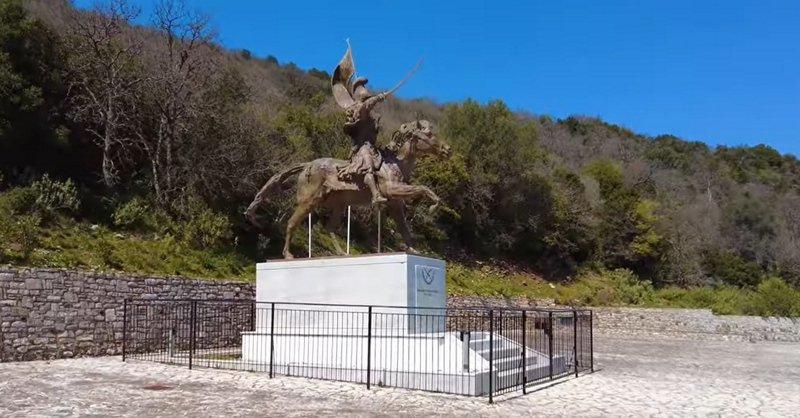
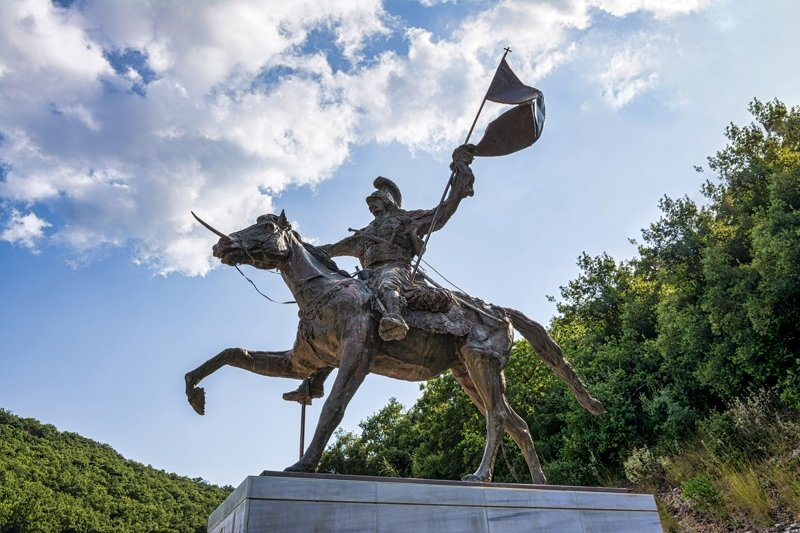
Today, in the very place where Kolokotronis was born, a striking statue stands in his honor. Depicting him on horseback, brandishing a sword, the monument was created by sculptor Efstathios Leontis. It was unveiled on August 16, 2007, by the Association of Peloponnesians "Kolokotronis" of Thessaloniki, as a tribute to the hero's enduring legacy.
Kolokotronis' name remains synonymous with Greek independence, and his story continues to inspire generations. His home in Limbovisi and his birthplace in Ramovouni stand as powerful symbols of Greece’s struggle for freedom—reminders of the courage and sacrifice that shaped the nation's destiny.