Underwater archaeology, ancient maritime trade, and the search for everyday objects lost at sea.
A Maritime World Beneath Santorini
Thera, now commonly known as Santorini, occupied an important position in the prehistoric Aegean. Its location connected island communities and mainland settlements through maritime routes used to transport pottery, foodstuffs, raw materials, and crafted objects.
A shipwreck carrying Bronze Age tools near Akrotiri would offer an opportunity to examine how people worked and traded across this maritime world. However, the existence of this particular wreck and its supposed tool cargo should not be presented as a verified discovery without an official underwater archaeological report.
Why Tools Matter
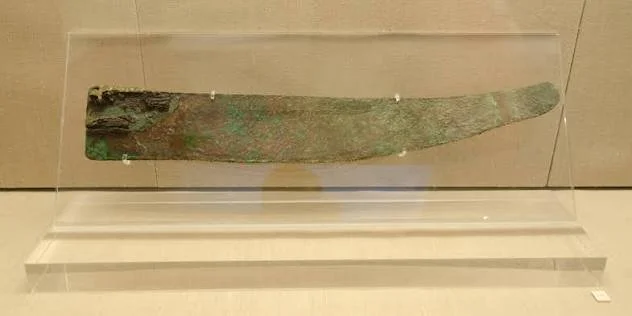
Weapons and luxury goods often attract attention, but ordinary tools can reveal just as much about ancient life. Cutting implements, chisels, woodworking tools, and metalworking equipment can help researchers understand the activities performed aboard a vessel or in the communities connected to its voyage.
The material of a tool matters. Bronze objects can be examined for their shape, manufacturing techniques, and alloy composition. Stone tools may reveal where raw materials originated, while wooden handles or associated organic remains can provide additional evidence if preserved.
Tool assemblages can also help distinguish cargo from personal equipment. A group of similar objects packed together might represent merchandise, whereas a mixed collection could have belonged to the crew or passengers.
Akrotiri and the Bronze Age Aegean
Akrotiri is famous for its preserved settlement, which was buried by volcanic deposits during the Bronze Age. Its buildings, paintings, and artifacts demonstrate that Thera participated in a wider network of Aegean connections.
The settlement's archaeological importance does not itself confirm the existence of a shipwreck offshore. A claim about a wreck would require a documented location, underwater survey results, recovered objects, and reliable dating.
Researchers must also distinguish an ancient wreck from objects that entered the sea through later loss, coastal erosion, or unrelated maritime activity.
How Underwater Archaeologists Investigate a Wreck
Archaeologists begin by mapping the site and recording the position of visible objects. Photogrammetry and other imaging methods can create detailed three-dimensional models, while sediment studies help establish how the wreck was buried or disturbed.
Objects are not simply collected because they appear valuable. Their positions, relationships, and surrounding materials can reveal how a vessel was loaded and what happened when it sank.
Where permitted, conservation specialists stabilize recovered artifacts. Bronze can suffer from long-term corrosion in seawater, and removing an object without proper treatment may damage evidence that has survived for centuries.
Trade, Technology, and Lost Voyages
A confirmed Bronze Age wreck near Akrotiri could provide evidence about maritime technology, cargo organization, and connections between communities. Tool types and material analysis might help identify the regions where objects were manufactured.
For now, the specific wreck and its tool collection remain unverified. The broader archaeological question is compelling: every securely documented underwater assemblage can reveal details of ancient working life that rarely survive in settlements alone.