Gold craftsmanship, monumental tombs, and the social meanings of wealth in the Mycenaean world.
The Allure of a Golden Burial
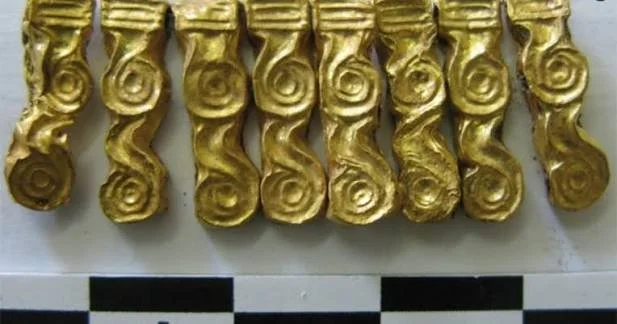
Gold jewelry from a Mycenaean tomb can reveal more than wealth. Its design, manufacturing techniques, and archaeological context may illuminate trade, social hierarchy, ritual practice, and the ways communities commemorated their dead.
A tholos tomb is a monumental burial structure typically built with a circular chamber and a corbelled stone roof. Such tombs are particularly associated with elite burial traditions in the Mycenaean world. The title's proposed gold jewelry from a tholos tomb in Nemea, however, requires site-specific confirmation; it should not be treated as a documented discovery without an excavation report.
The Architecture of a Tholos Tomb
Mycenaean tholos tombs were often constructed by cutting a passage, or dromos, into a slope and building a circular chamber at its end. Carefully arranged stone courses created a domed appearance, while the surrounding earth helped support the structure.
Their construction required planning, labor, and technical knowledge. The size and quality of a tomb may reflect the resources available to a community, although architecture alone cannot establish the precise status or identity of every person buried inside.
Tombs were also used and reused in different ways. Later disturbance can complicate the interpretation of burial objects and their original associations.
What Gold Jewelry Can Tell Us
Gold can be worked into thin sheets, beads, pendants, rings, and decorative elements. Mycenaean goldsmiths employed techniques that included hammering, forming, and joining metal components.
The style of an object can be compared with finds from other sites, while chemical analysis may help characterize the gold and investigate possible sources. Such analysis must be interpreted carefully because recycling and mixing metals can complicate provenance studies.
Jewelry can also reveal cultural connections. Similar motifs or manufacturing methods at different sites may indicate shared traditions, exchange, imitation, or movement of craftspeople.
Nemea in the Archaeological Landscape
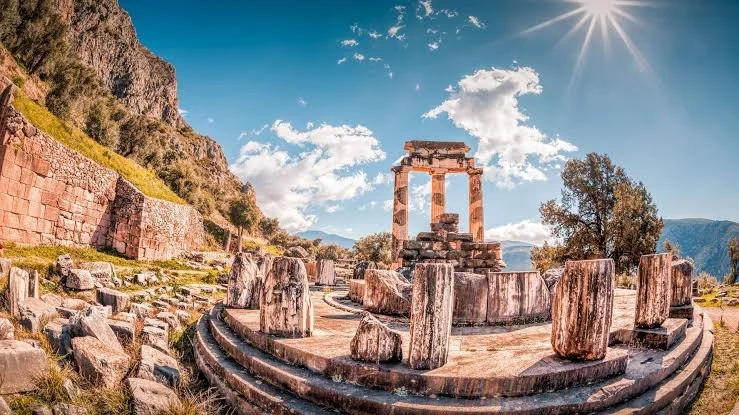
Nemea is well known for its sanctuary of Zeus and its association with ancient athletic competitions. The wider region of the northeastern Peloponnese also contains archaeological evidence from different periods, including the Mycenaean age.
That broader history does not verify a specific gold assemblage in a Nemean tholos tomb. Researchers would need the tomb's precise location, architectural description, stratigraphic context, and documented inventory of finds.
Why Context Is More Valuable Than Treasure
Gold objects removed from a tomb without proper documentation lose much of their scientific value. Their position relative to human remains, pottery, weapons, and other offerings may reveal how a burial was organized and whether it was altered over time.
Conservation records and scientific analysis can help distinguish original grave goods from objects introduced during later reuse or disturbance.
An Unconfirmed Find with a Meaningful Research Question
If Mycenaean gold jewelry were securely documented in a tholos tomb at Nemea, it could contribute to research on burial customs, craft production, and regional exchange. Until such evidence is available, the specific discovery remains unverified. The enduring value of Mycenaean jewelry lies not merely in the precious metal, but in the history preserved by its craftsmanship and archaeological context.