Jewish merchants, Mediterranean commerce, and the changing social history of seventeenth-century Crete.
Chania as a Mediterranean Port
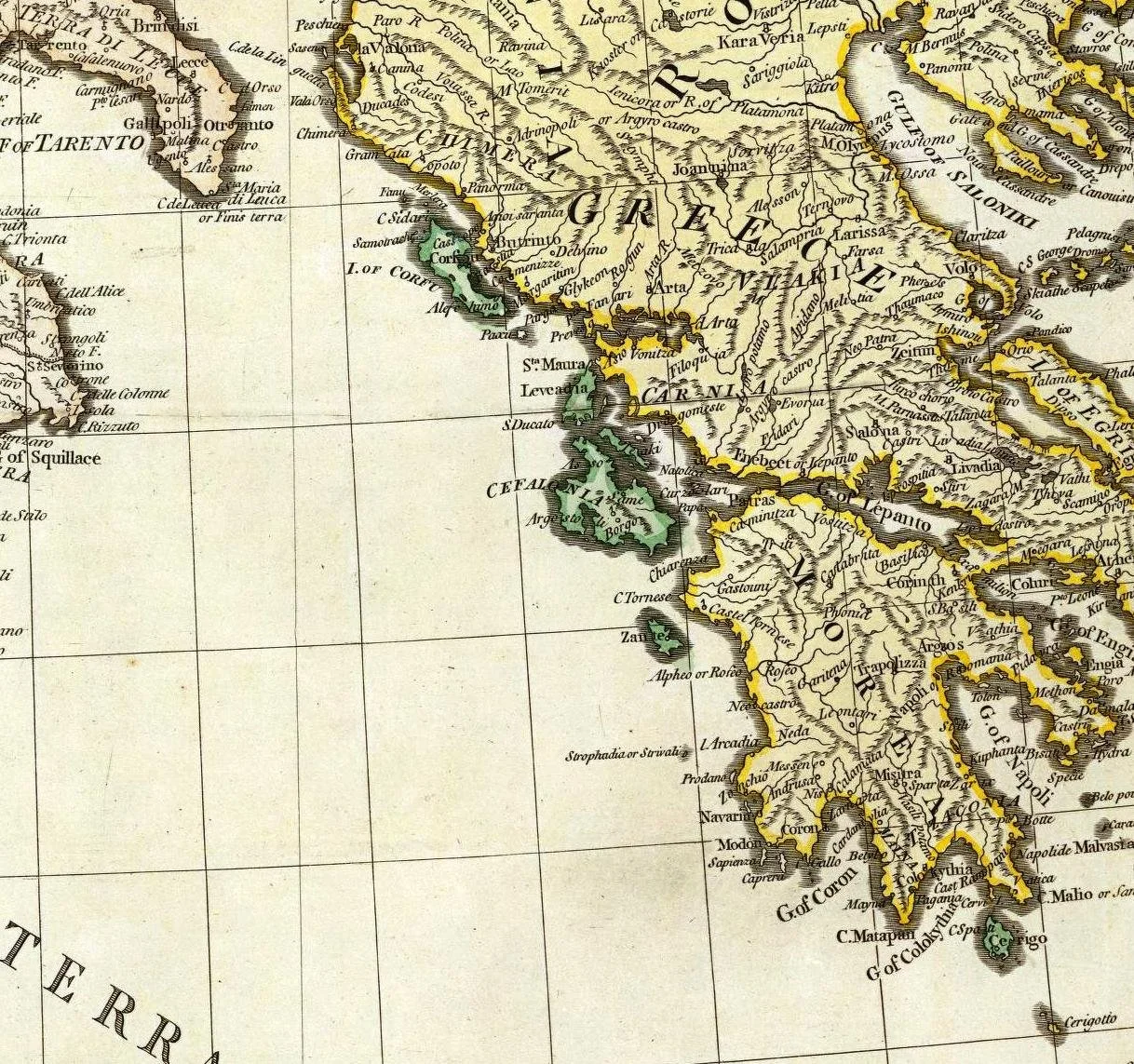
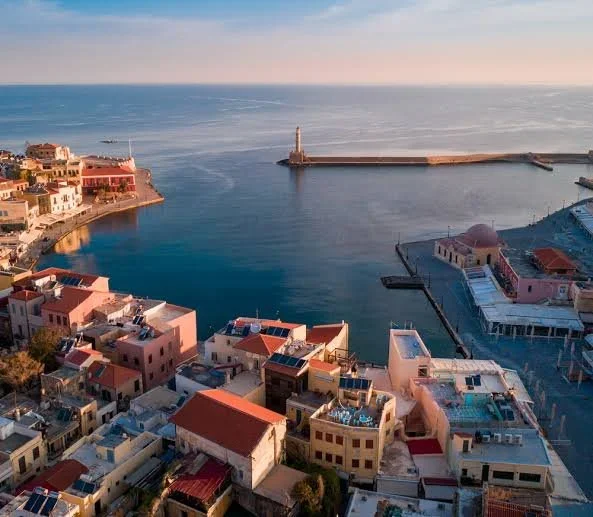
Chania, on the northwestern coast of Crete, occupied an important position in the eastern Mediterranean. Its harbor connected the city to maritime routes serving the Aegean, the Adriatic, and the wider Mediterranean basin. Ships carried goods, people, news, and political information between ports whose fortunes depended on trade and navigation.
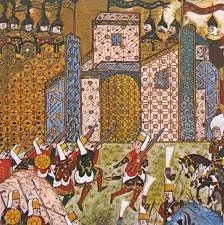
During the seventeenth century, Crete experienced major political and military changes. Venice retained control over important parts of the island until the Ottoman conquest of Candia, present-day Heraklion, in 1669, following a prolonged conflict. The war affected commerce, shipping, local administration, and the movement of inhabitants.
Jewish communities participated in commercial life across the Mediterranean, including in cities where merchants arranged transport, financed transactions, and maintained relationships with partners in distant ports. The precise structure of Jewish trade networks in seventeenth-century Chania, however, needs to be established through historical records rather than inferred from broader regional patterns.
Jewish Communities and Mediterranean Commerce
Jewish communities had long been part of the economic and cultural life of Mediterranean societies. Depending on the local circumstances, their members worked in trade, crafts, medicine, finance, and a variety of other occupations.
Commercial relationships often depended on trust and repeated dealings. A merchant might rely on relatives, partners, agents, or correspondents in another port to arrange purchases, assess goods, negotiate prices, or manage payments. These relationships could help people conduct business across distances when travel was costly or uncertain.
Shared religious traditions and community connections could support some commercial relationships, but they did not mean that all Jewish merchants operated as a unified group. Individual merchants had different levels of wealth, different business interests, and different relationships with local authorities.
The term trade network is therefore most useful when it describes identifiable connections among people, businesses, ports, and transactions rather than assuming a single coordinated organization.
Crete Under Venetian and Ottoman Rule
Venetian Crete had a distinctive political and commercial history. Venetian authorities governed the island through institutions that connected local administration with the republic's wider maritime interests. Trade, agriculture, and the defense of coastal settlements all played important roles in the island's economy.
The Ottoman conquest changed the political framework, but such transitions did not automatically erase all existing commercial relationships. Merchants might continue operating through familiar routes, while adapting to new regulations, authorities, or risks.
War could nevertheless disrupt trade dramatically. Ships faced greater danger, ports could become difficult to access, and the movement of people might be interrupted. Merchants had to respond to changes in security, taxation, supply, and demand.
A study of Jewish commercial activity in Chania during the seventeenth century would therefore need to distinguish between periods of relative stability and the effects of the prolonged conflict that transformed Crete.
Goods, Shipping, and Commercial Services
Mediterranean trade involved many categories of goods, including agricultural products, textiles, metals, foodstuffs, and manufactured items. The importance of any commodity depended on the local economy, seasonal supply, shipping conditions, and demand in other markets.
A merchant did not necessarily need to own a ship to participate in this system. Some people financed cargo, arranged transactions, acted as brokers, or served as intermediaries between producers and buyers. Others operated as agents for partners based in another city.
To determine which goods Jewish merchants handled in Chania, researchers would need to examine customs records, shipping documents, contracts, correspondence, and commercial accounts. General knowledge of Mediterranean trade cannot establish that a specific merchant traded a particular commodity through the harbor.
Reconstructing Commercial Networks from Archives
Trade networks are often reconstructed from scattered records rather than a single comprehensive source. A contract might identify business partners, a customs entry could record the movement of cargo, and a letter might describe a dispute or explain why a shipment had been delayed.
When researchers connect such records, they can identify recurring names, routes, commodities, and commercial relationships. This process may reveal how a merchant maintained business connections despite war, political change, or geographical distance.
Names require particular care. Documents written in different languages may represent the same person's name in different forms, while similar names can refer to different individuals. Additional details, such as family relationships, occupations, and dates, help establish reliable identifications.
Community Life Beyond Commerce
Jewish merchants were not simply participants in an economic system. They belonged to communities shaped by religious practice, family life, education, charitable obligations, and relationships with other inhabitants.
A full historical account should therefore consider the social conditions under which business took place. Legal status, taxation, religious institutions, and local political relationships could affect commercial opportunities.
It is equally important to avoid assuming that Jewish residents controlled the harbor's trade merely because some members of the community were involved in commerce. Their participation must be assessed alongside that of other merchants, shipowners, producers, and officials.
What Can Be Established About Chania's Networks?
The specific trade networks described in the title remain unverified without identified archival evidence. A reliable study would need to establish which individuals were involved, the dates of their activities, the goods they handled, and the ports with which they maintained connections.
Such research could help reconstruct how commerce operated in seventeenth-century Chania and how Jewish residents participated in the city's economic life during a period of political transition.
The broader significance lies in the relationships that connected communities across the Mediterranean. Trade was not simply the movement of goods; it was also a system of trust, information, credit, and adaptation to changing circumstances.