Wildlife, hunting traditions, and the relationship between ancient communities and the mountain forests of Greece.
The Pindus Mountains in the Ancient World
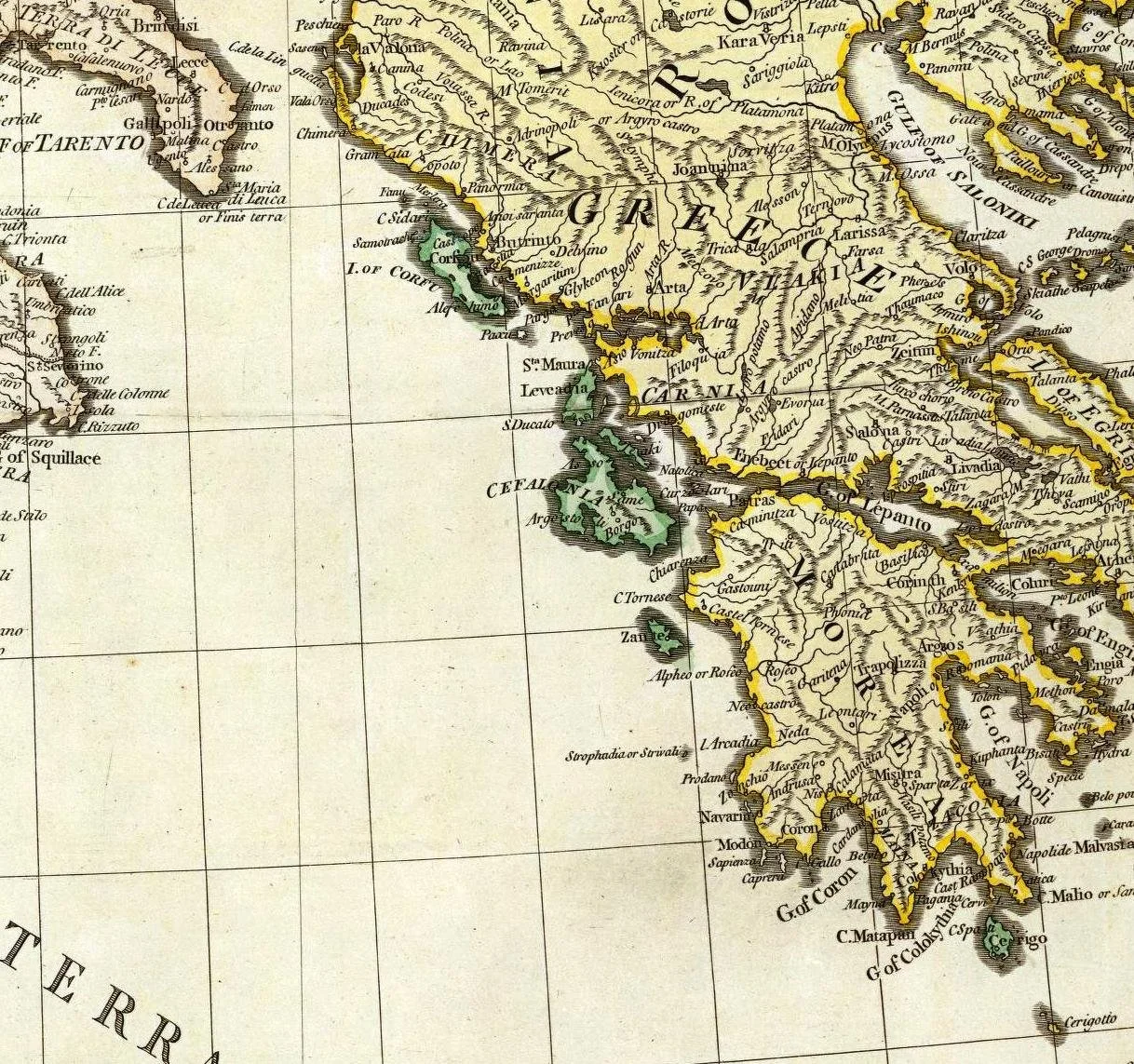
The Pindus mountain range extends through much of mainland Greece, creating a landscape of steep ridges, deep valleys, forests, rivers, and highland pastures. Its terrain influenced how communities settled, traveled, raised livestock, and obtained natural resources. Movement through the mountains often required knowledge of local routes, seasonal weather, and the availability of water and shelter.
In antiquity, mountain environments supported a variety of activities. Communities used forests for timber and other materials, grazed animals on suitable land, traveled between settlements, and hunted wildlife. The relative isolation of some valleys could also allow local traditions and economic practices to develop differently from those in major urban centers.
The title's reference to Roman hunts in Pindus forest reserves raises an important question about how people used and regulated woodland during the Roman period. However, the idea of formally designated forest reserves should be treated cautiously. Ancient hunting grounds were not necessarily equivalent to modern conservation areas, and no specific Roman reserve in the Pindus is established by the title alone.
Hunting in Roman Society
Hunting held several meanings in Roman society. For rural communities, it could provide food or help manage threats to livestock. For wealthy individuals, organized hunts could demonstrate physical ability, access to resources, and familiarity with the countryside.
Hunting also appeared in Roman art and literature. Mosaics, sculptures, and decorative objects sometimes depicted hunters pursuing animals, while written works could present hunting as a test of endurance or a leisure activity associated with elite life.
These representations must be interpreted carefully. An artistic image of a hunt does not necessarily describe an event that occurred at the place where the object was found. It may reflect a popular artistic theme, a symbolic message, or the preferences of a patron.
Hunting practices also differed across the Roman world. The methods used in a mountainous province could vary from those employed in the plains or forests of another region.
Wildlife and Mountain Ecology
Mountain forests contain a variety of habitats shaped by elevation, rainfall, temperature, vegetation, and human activity. Different animal species occupy different ecological zones, while seasonal changes influence movement and access to food.
Ancient communities interacted with this wildlife in several ways. Hunters might seek particular animals for food, hides, or other useful materials. Shepherds could encounter predators while grazing livestock, and travelers might observe animals near water sources or forest clearings.
Archaeological animal remains can help researchers identify species that people hunted, raised, consumed, or traded. Yet the remains found at a settlement represent only a partial picture of the wider environment. Preservation conditions and human choices determine which bones survive and enter the archaeological record.
Evidence of a wild animal at a site does not automatically establish that it was hunted locally. It might have been brought from another area, obtained through exchange, or represented by a small number of remains deposited during a particular event.
Hunting Techniques and Equipment
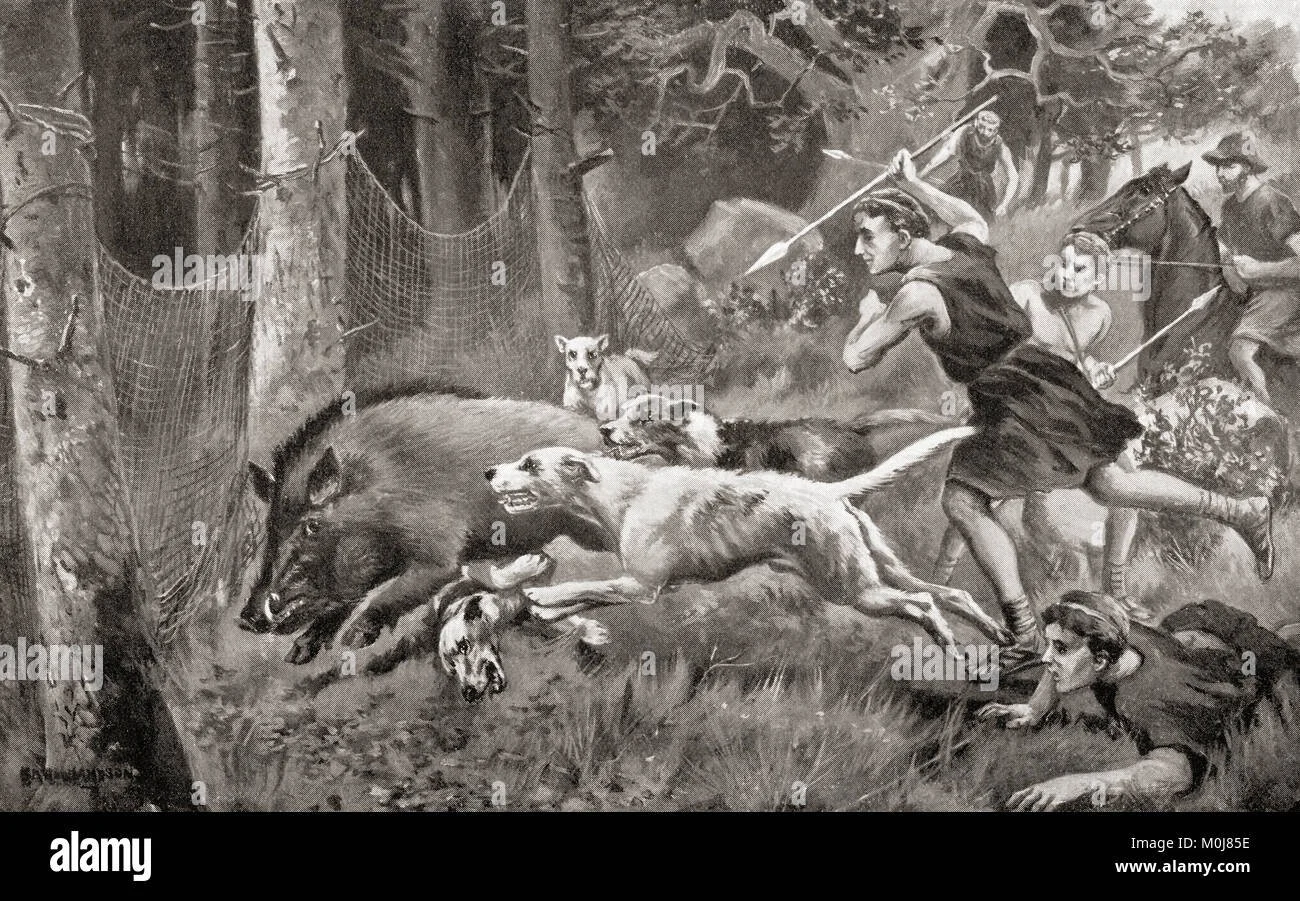
Ancient hunters could use weapons such as spears, bows, and other tools suited to the animal and terrain. Hunting might involve individual skill, coordinated groups, dogs, or strategies designed to direct animals into a particular area.
The equipment used depended on local resources and the purpose of the hunt. A tool that appears suitable for hunting might also have served in warfare, defense, or other activities. Archaeologists therefore consider the shape, wear, and context of an object before assigning it a specific function.
Animal bones provide additional evidence. Cut marks may reveal butchery, while patterns of damage can help researchers investigate how an animal was processed. However, distinguishing hunting from other forms of animal acquisition often requires several lines of evidence.
Forest Management and the Idea of a Reserve
Modern forest reserves are usually defined by formal rules governing access, hunting, resource extraction, or habitat protection. Ancient authorities also regulated land and natural resources, but their institutions and objectives differed across time and place.
A historical reference to a forest, hunting privilege, or restricted area would need to be interpreted within its legal and social context. It might concern private ownership, an imperial estate, a resource concession, or a privilege granted to a particular individual.
Such a document would not automatically prove the existence of a protected wildlife reserve in the modern sense. Researchers would need to establish what the restriction covered, who enforced it, and how the area was actually used.
The specific claim of Roman hunting reserves in the Pindus remains unverified without identifiable historical or archaeological evidence.
How Archaeologists Reconstruct Ancient Hunting
Researchers combine animal remains, weapons, settlement evidence, environmental data, and written sources to investigate hunting practices. Pollen, charcoal, and other environmental indicators can help reconstruct changes in vegetation, while animal bones provide information about the species present at particular sites.
These sources answer different questions. Environmental evidence may show that a forest existed, but it does not establish who hunted there. A weapon may indicate a capability, but it does not prove that a particular animal was killed with it.
The strongest interpretations combine evidence from multiple sources and acknowledge the limitations of each.
Human Activity and the Mountain Landscape
The Pindus region offers a valuable setting for studying how ancient communities used mountain environments. Hunting formed part of a broader relationship involving pastoralism, timber, travel, and the management of land.
The specific Roman forest reserves implied by the title remain unverified. Nevertheless, archaeological and environmental research could help establish what animals lived in the region, how people obtained them, and whether particular areas were subject to special rules or privileges during the Roman period.