Introduction
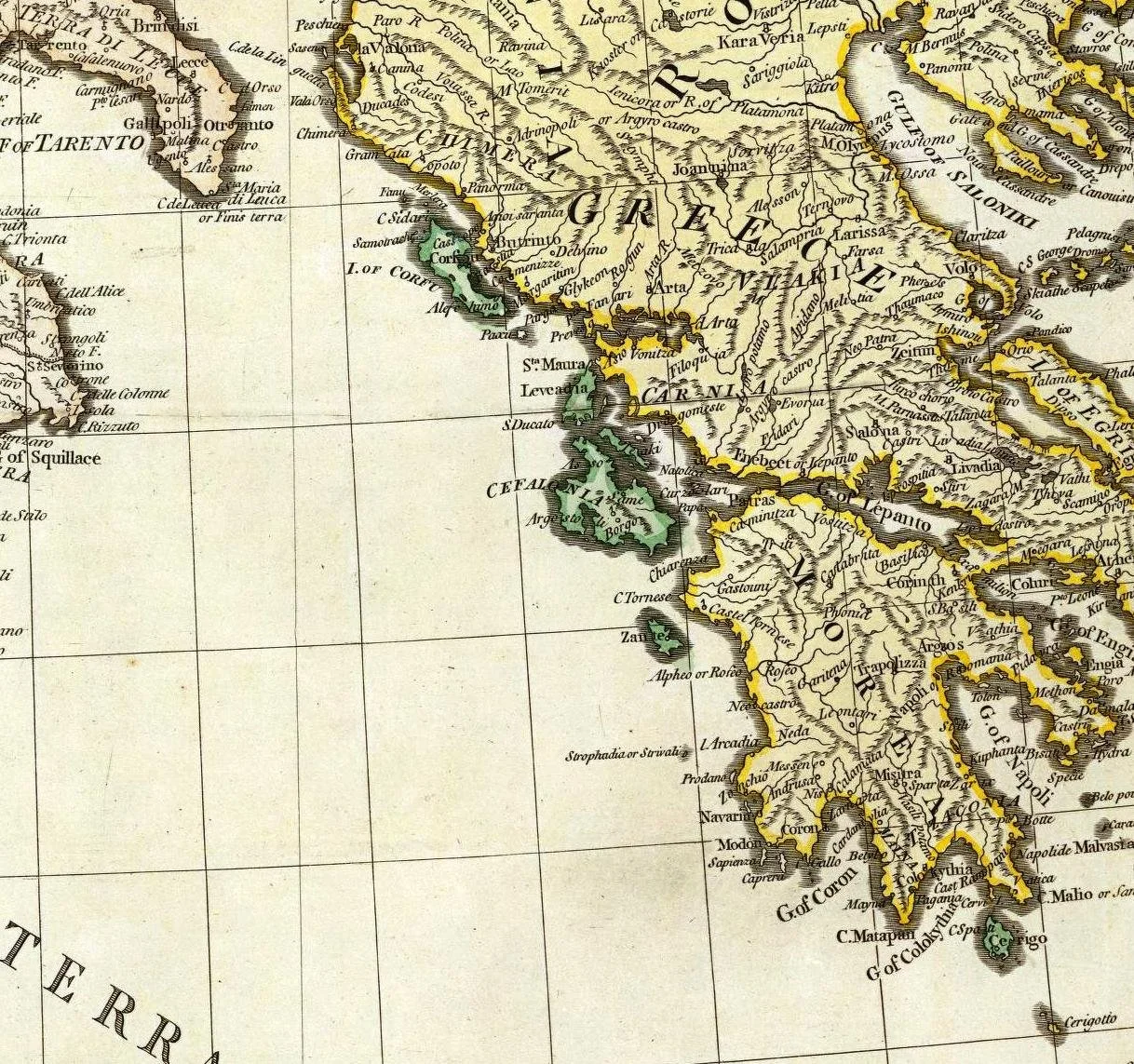
The eastern Mediterranean was a connected commercial world during the Byzantine period. Ships carried agricultural goods, textiles, metals, ceramics, and luxury products between ports that linked the Aegean, Anatolia, the Levant, Egypt, and the wider Mediterranean.
Crete occupied a strategically important position within this network. Its location allowed merchants to participate in maritime exchange while its agricultural production supported both local consumption and regional commerce. Armenian merchants, who were active in several parts of the Byzantine world, provide an interesting perspective on the relationship between mobility, trade, and cultural identity.
However, the presence of Armenian merchants in a particular Cretan port must be established through documentary or archaeological evidence rather than inferred solely from the island's commercial importance.
Armenians in the Byzantine World
Armenian communities had a long and complex relationship with the Byzantine Empire. Armenia and neighboring regions connected the eastern Mediterranean with the Caucasus, Anatolia, and Iranian cultural spheres.
Individuals of Armenian origin participated in military service, administration, religious life, craft production, and commerce. Their mobility was influenced by changing borders, warfare, imperial policies, and family networks.
Some Armenian individuals entered Byzantine imperial service, while others maintained commercial and community relationships across different political territories. These varied experiences caution against treating Armenians as a single, uniform group.
Crete's Maritime Position
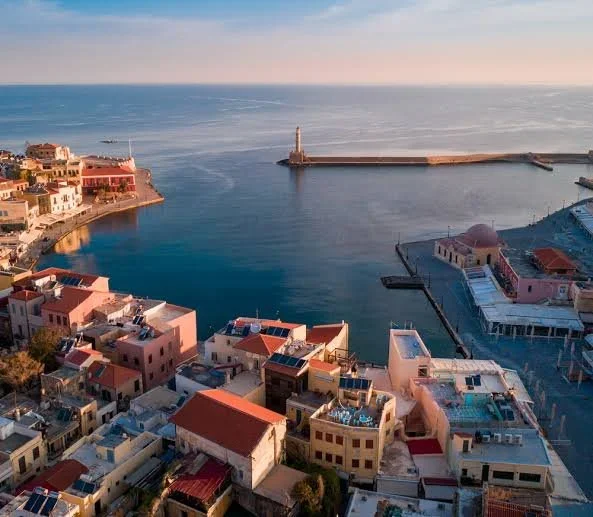
Crete lies along important maritime routes connecting the Aegean with the eastern Mediterranean. Its ports could support fishing, agricultural export, local distribution, and transit trade.
During the Byzantine period, the island's political circumstances changed repeatedly. Arab forces conquered Crete in the ninth century, establishing an emirate that lasted until the Byzantine reconquest in 961. The island subsequently returned to Byzantine rule before passing into Venetian control after the Fourth Crusade and the reorganization of Byzantine territories in the thirteenth century.
These transitions affected shipping, taxation, security, and the movement of merchants.
How Merchants Operated
Byzantine commerce relied on combinations of local markets, maritime shipping, private partnerships, family connections, and state regulation. Merchants could operate through agents rather than traveling with every shipment themselves.
A merchant's identity might be recorded in a contract, inscription, letter, tax document, or religious text. Such evidence is essential when identifying specific ethnic or geographic backgrounds.
Archaeological evidence can complement written records. Imported ceramics, coins, weights, seals, and trade goods may indicate commercial connections, although these objects rarely identify the ethnicity of individual traders by themselves.
Armenian Networks and Commercial Mobility
Armenian merchants could potentially connect Cretan markets with Anatolian, Constantinopolitan, Caucasian, or Levantine commercial networks. Such connections would have depended on the period, political circumstances, and specific goods being exchanged.
Family and religious networks could help merchants establish trust across long distances. Language skills, credit arrangements, and knowledge of local customs also contributed to successful commerce.
Nevertheless, the existence of Armenian trading networks elsewhere in the Byzantine world does not automatically demonstrate a permanent Armenian merchant quarter on Crete. That claim would require direct evidence, such as inscriptions, documentary references, or a convincing combination of archaeological findings.
Religion and Cultural Exchange
Merchants carried more than commodities. Their movements could connect religious institutions, artistic traditions, languages, and systems of education.
Armenian Christianity developed distinctive traditions, while Byzantine Orthodox institutions maintained their own liturgical and ecclesiastical structures. Interactions between communities could involve cooperation, negotiation, and occasional tension.
The archaeological record may reveal cultural exchange through objects and architectural forms, but stylistic similarities should not automatically be interpreted as proof of a particular ethnic population.
Why the Subject Matters
Studying merchants from diverse backgrounds helps challenge the idea that medieval ports were culturally isolated. Maritime cities often contained travelers, sailors, officials, religious representatives, and traders whose identities crossed modern national boundaries.
A careful investigation of Armenian commercial activity on Crete would compare Byzantine documentary sources with the island's archaeological record and the broader history of eastern Mediterranean trade.
Conclusion
Armenian merchants offer a valuable lens through which to examine the mobility and diversity of the Byzantine Mediterranean. Crete's ports were well positioned to participate in regional exchange, but specific claims about Armenian merchant settlements must be supported by direct evidence. Combining documentary history, material culture, and maritime archaeology can help reconstruct the island's commercial relationships without overstating what the surviving sources reveal.