Introduction
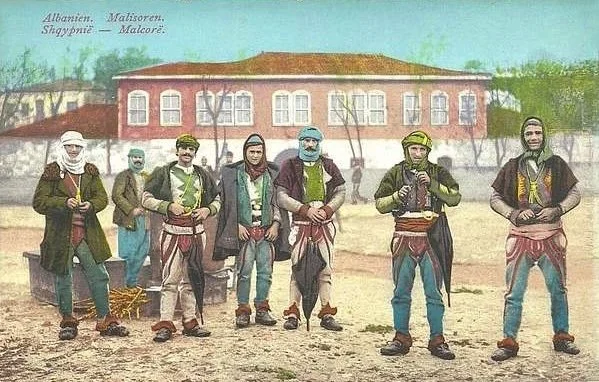
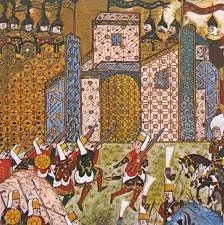
The eighteenth-century eastern Mediterranean was shaped by the political and military institutions of the Ottoman Empire. Among its most recognizable military formations were the Janissaries, a corps that originated as an elite infantry institution and gradually became involved in broader political, urban, and economic life.
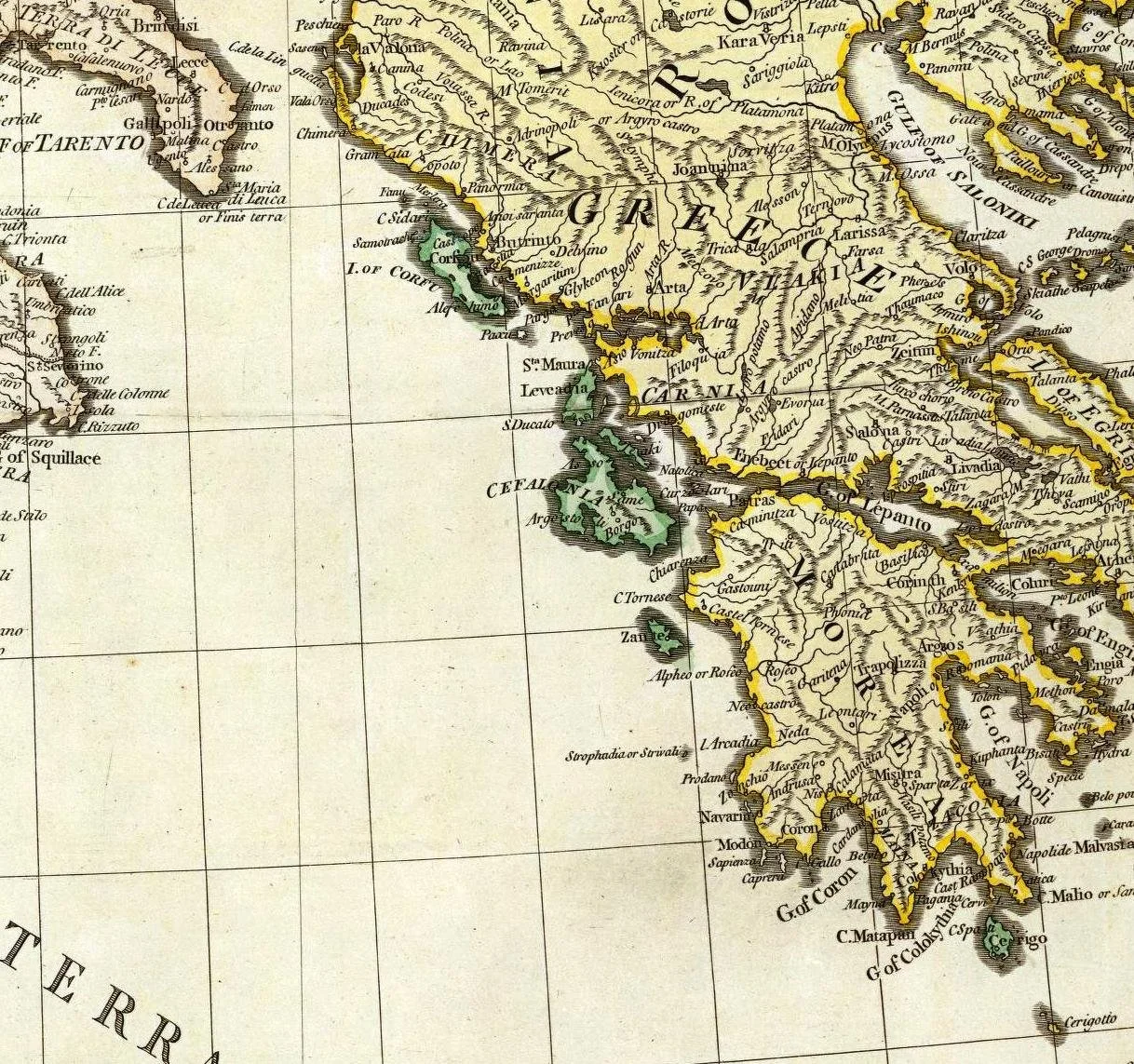
Desertion and unauthorized absence were recurring challenges for early modern armies. The mountainous terrain and maritime geography of Greece created numerous possible routes for movement beyond military supervision. The Gulf of Corinth, connecting the Ionian and Aegean maritime worlds through a narrow passage, provides a useful setting for examining questions about military mobility, enforcement, and local society.
Specific claims about organized Janissary desertion networks in the gulf during the 1700s, however, require documentary verification.
The Janissary Institution
The Janissaries developed from the Ottoman military system and became an influential institution over several centuries. Their role changed significantly over time.
Originally associated with centralized military service, the corps later became involved in urban politics, commercial activity, and struggles over imperial authority. By the eighteenth century, the Janissaries were no longer simply a detached professional infantry force operating according to one unchanging model.
Members could be stationed in garrisons, assigned to military duties, or connected to local political and economic interests. Their experiences depended on rank, location, command structures, and the needs of the state.
Desertion in Early Modern Armies
Desertion could occur for many reasons. Soldiers might seek to escape dangerous campaigns, unpaid wages, harsh discipline, poor food, or conflicts with commanders. Some left military service temporarily to return to family or commercial obligations.
Other forms of unauthorized absence could be linked to changing political loyalties or the collapse of effective command. These behaviors must be distinguished from formal retirement, reassignment, leave, and transfers between units.
Historical records may describe such incidents using terms that do not correspond exactly to modern definitions of desertion.
The Gulf of Corinth as a Geographic Corridor
The Gulf of Corinth is bordered by mainland Greece and the Peloponnese. Its surrounding landscape includes ports, settlements, mountain routes, agricultural zones, and narrow maritime passages.
The region's geography could facilitate movement by land and sea. Small boats could connect coastal communities, while inland paths provided alternatives to major roads.
Yet geography alone cannot prove that the gulf served as a major Janissary desertion corridor. A historically convincing account would require military correspondence, court records, administrative documents, travel accounts, or other sources identifying particular movements.
Local Communities and Military Mobility
Military personnel rarely moved through landscapes without encountering local communities. Villagers, merchants, boat operators, religious institutions, and local officials could all influence the possibilities for travel and shelter.
In some circumstances, local people might assist soldiers because of family ties, shared economic interests, or political alliances. In other situations, communities could report fugitives or cooperate with authorities.
The relationships were therefore variable rather than uniformly supportive or hostile.
Ottoman Administration and Enforcement
The Ottoman state used a range of administrative and judicial institutions to manage military personnel and maintain order. The ability to enforce discipline depended on communication, resources, local cooperation, and the authority of commanders.
A desertion case documented in an administrative record could reveal not only the behavior of an individual soldier but also the practical limits of imperial control.
Researchers would need to distinguish isolated incidents from sustained patterns. Several unrelated cases do not necessarily demonstrate an organized regional network.
Archaeological Evidence and Its Limits
Material evidence may help reconstruct military presence. Coins, weapons, military equipment, fortifications, and settlement remains can establish activity in a region.
However, these objects rarely identify desertion directly. A weapon found near a coastal route could belong to a soldier, a local defender, a hunter, or another individual.
Written sources and archaeology therefore need to be considered together.
Conclusion
Janissary desertion provides a way to investigate military discipline and everyday life in the eighteenth-century Ottoman world. The Gulf of Corinth's geography made it a plausible corridor for movement, but claims of a distinctive desertion network must be established through historical records. A balanced study would examine the institution of the Janissaries, the pressures experienced by soldiers, the role of local communities, and the practical challenges of enforcing military authority across a complex landscape.