Ancient water engineering, mountain infrastructure, and the practical ingenuity of hydraulic systems.
Moving Water Across Difficult Terrain
Water supply was one of the most important engineering challenges faced by ancient communities. Springs, wells, channels, reservoirs, and aqueducts helped towns secure water for drinking, sanitation, workshops, and public buildings.
Roman engineers became especially well known for building extensive water-supply systems. Their achievements included underground channels, bridges, tunnels, settling structures, and carefully graded conduits. The proposed discovery of Roman hydraulic devices in the mountain aqueducts of Phocis, however, requires specific archaeological evidence rather than inference from Roman engineering elsewhere.
The Principles Behind Ancient Aqueducts
An aqueduct usually depended on a controlled gradient that allowed water to flow by gravity. Engineers had to understand the terrain, select a suitable water source, and maintain a route that balanced distance, elevation, and construction costs.
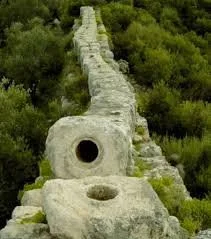
Although monumental arches are the most familiar image of Roman aqueducts, much of an aqueduct's route could consist of channels on or below the ground. Tunnels were useful when a route passed through hills, while bridges allowed water channels to cross valleys.
Hydraulic structures could also include settling basins, distribution tanks, valves, and maintenance access points.
What Counts as a Hydraulic Device?
A hydraulic device may be a component that controls, measures, lifts, or distributes water. Archaeologists must identify the function of an object through its shape, wear patterns, material, and relationship to the surrounding installation.
A stone channel or ceramic pipe is not necessarily a sophisticated machine. Conversely, a small fitting or carefully designed opening can be important if it reveals how water flow was regulated.
Researchers compare suspected components with known examples and investigate whether later communities repaired, reused, or altered the original infrastructure.
Phocis and the Mountain Landscape
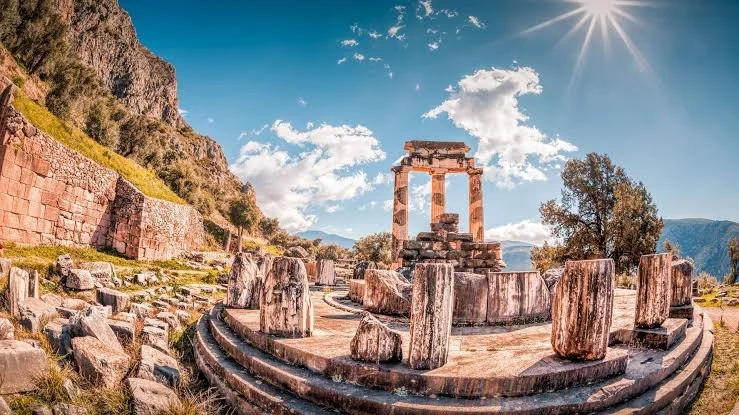
Phocis lies in central Greece, where mountainous terrain has influenced settlement, transportation, and water management over many periods. Any proposed aqueduct in the region would need to be located and dated before its engineering features could be attributed to Roman construction.
The broader presence of Roman infrastructure in Greece does not establish that a particular mountain aqueduct contains previously unknown hydraulic devices.
Archaeologists would examine the route, masonry, pipe materials, water deposits, and associated artifacts. Dating could involve architectural comparison, inscriptions, pottery, or other securely contextualized evidence.
How Water Systems Reveal Urban Life
A water-supply system provides information about more than engineering. Its scale and route may indicate where people lived, which public buildings were supplied, and how communities maintained essential infrastructure.
Mineral deposits inside channels can sometimes preserve evidence about water chemistry and operating conditions. Repairs and modifications may show how a system changed as populations, needs, or political circumstances shifted.
Investigating the Proposed Devices
A confirmed hydraulic device from a Roman aqueduct in Phocis would deserve careful documentation and comparison with other ancient systems. Until a specific structure or object is identified in a reliable report, the discovery remains unverified.
The larger lesson is that ancient water engineering was a practical science. Its surviving channels and mechanisms show how surveying, masonry, maintenance, and an understanding of gravity enabled communities to manage water across challenging landscapes.